A pickpocket in Barcelona needs under 3 seconds. Most travelers hand them a free pass by keeping their passport and cards in the same easy-to-grab spot. The fix isn't buying more gear — it's buying the *right* gear for how you actually travel.
A travel wallet consolidates cards, cash, and your passport into one slim, RFID-blocking organizer — ideal for light, fast-moving trips. A passport holder does one job: protect your document. If you carry multiple cards and currencies daily, a travel wallet wins. If you want your passport buried and forgotten, a neck wallet is the smarter call.
What's the Actual Difference? (It's Not What Most Sites Tell You)
A travel wallet is a multi-slot organizer — typically 4–8 card slots, a cash pocket, and a passport window — designed to replace your everyday wallet on the road. A passport holder is narrower: it grips your passport, maybe adds one or two card slots, and that's it. The real distinction is *use pattern*, not size. If you're pulling out a card every hour at markets, metro gates, and restaurants, a travel wallet keeps you fluid. If your passport lives in your hotel safe 90% of the trip and you only need it at borders, a dedicated passport holder (especially a wearable one) is actually the safer, lower-profile choice.
When a Travel Wallet Is the Right Call
Travel wallets shine on multi-country trips where you're juggling two currencies, a debit card, a travel SIM, and a transit card simultaneously. A good slim travel wallet with RFID blocking — shielding your cards from the 13.56 MHz frequency that contactless skimmers target — means you're not rummaging through a bag at every checkpoint. The sweet spot is a wallet thin enough to sit flat in a front pocket (under 12mm is the benchmark) with a dedicated passport sleeve that doesn't force the booklet to bend. If you're doing a two-week Western Europe circuit, this is your daily driver. Alpha Keeper's RFID sleeve sets like the Fiber RFID Sleeve Set pair perfectly inside a travel wallet to add an extra layer of card-level protection without bulk.
When a Passport Holder — Especially a Neck Wallet — Is Smarter
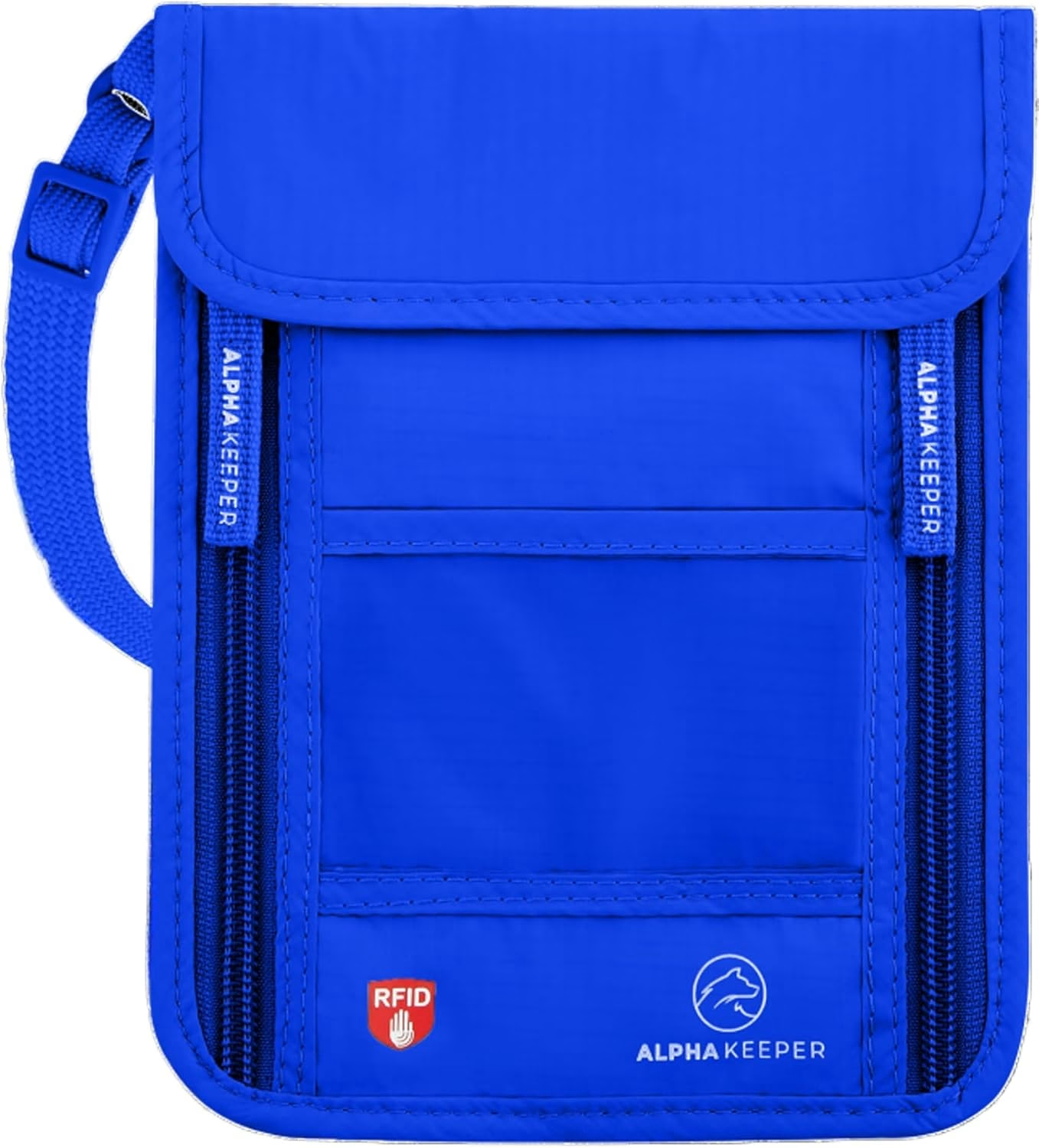
In genuinely high-risk zones — crowded souks in Marrakech, overnight buses in Southeast Asia, any destination on the EU's 2026 high-pickpocket-alert list — separating your passport from your daily spending wallet is the single best move you can make. A neck wallet worn under your shirt is essentially invisible to a thief. The Azure RFID Neck Wallet, for example, holds a passport, four cards, and folded bills in a water-resistant ripstop shell, worn on an adjustable cord that sits flat against your sternum. You use your regular wallet for coffee; the neck wallet holds your real documents. Even if your bag gets snatched, your passport is physically on your body. That's a layered security approach that no single travel wallet can replicate.
The Honest Comparison: Travel Wallet vs Neck Wallet Passport Holder
Here's the trade-off no one says plainly: a travel wallet is more convenient but more exposed; a neck wallet is more secure but slower to access. The traveler who loses a travel wallet loses everything in it — cards, cash, passport — in one bad moment. The traveler with a neck wallet may have to duck into a bathroom to retrieve their passport at a border, but a thief would have to physically grab them to get it. The best real-world setup for 2026 is a combination: a slim RFID-blocking travel wallet in your front pocket for daily spending, and a neck wallet worn under your shirt for your passport and backup card. It costs under $40 total and eliminates the single point of failure that ruins trips.
What to Look For in Either Product (Specific, Non-Negotiable Specs)
RFID blocking is table stakes in 2026 — skip any wallet that doesn't explicitly block 13.56 MHz (NFC/contactless) AND 125 kHz (older card formats). Material matters more than most buyers realize: genuine RFID-blocking fabric sandwiches a metallic mesh layer between outer fabric and lining, rather than relying on a thin foil insert that degrades with folding. For passport holders, look for a cover that doesn't expose the passport's RFID chip when open — a chip-side interior pocket solves this. Dimensions for a passport holder should accommodate the 125 × 88mm biometric passport plus a 3–5mm swell for cards without cracking the spine. For neck wallets specifically, cord strength (look for paracord or reinforced nylon rated above 50 lbs) and a breakaway safety clasp are worth paying for — cheap cords snap, defeating the whole security premise.
The 2026 Traveler's Setup: Layered, Not Single-Product
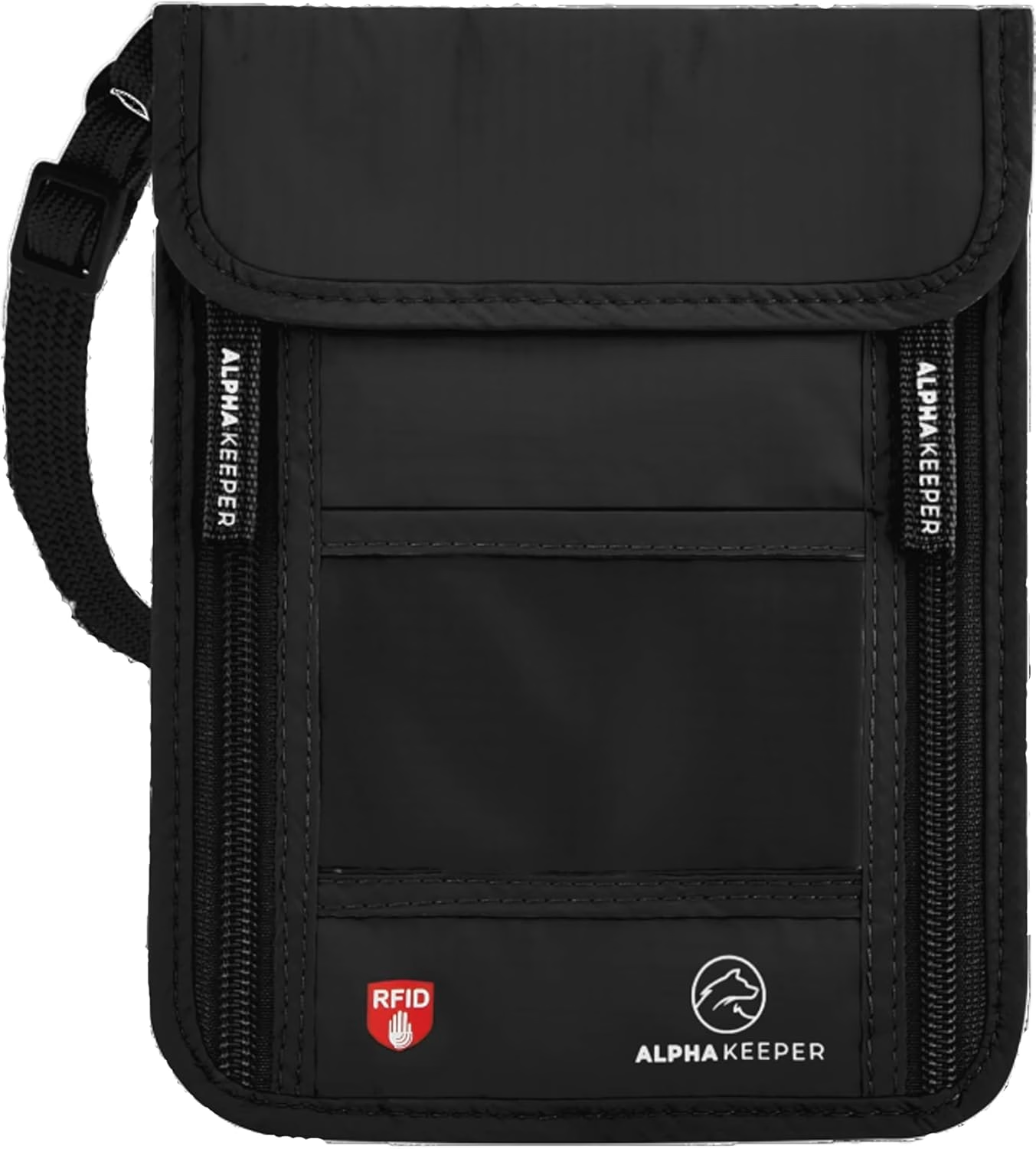
The most theft-resistant setup isn't one perfect product — it's three lightweight layers that cost less than a single lost credit card replacement fee. Layer one: RFID card sleeves (like the Colorful RFID Sleeve Set or Black RFID Sleeve Set) inside any wallet you already own, blocking card skimming at the individual card level. Layer two: a slim travel wallet in your front pocket for your spending card and local cash — easy access, daily use. Layer three: a neck wallet under your shirt — the Black RFID Neck Wallet or Blue RFID Neck Wallet — holding your passport, backup card, and emergency cash. This three-layer system means no single theft event can wipe you out, and each layer has a defined job.
Frequently Asked Questions
Can a travel wallet replace a passport holder entirely?
Yes, for low-risk destinations and short trips. A good RFID-blocking travel wallet with a passport sleeve handles everything in one place. But for high-traffic tourist destinations or extended trips, splitting your passport into a separate neck wallet dramatically reduces your all-or-nothing theft risk — it's a trade-off between convenience and layered security.
Is RFID blocking actually necessary in 2026?
Yes — contactless payment fraud via NFC skimming continues to be documented in crowded transit hubs and tourist areas globally in 2026. Biometric passports broadcast readable data within a few inches without RFID shielding. A blocking wallet or sleeve costs a few dollars and eliminates the risk entirely, so the argument against using one is essentially zero.
What's the best travel wallet setup for a two-week Europe trip in 2026?
Use a slim RFID-blocking travel wallet in your front pocket for your daily spending card and local euros, and wear an RFID neck wallet like the Azure RFID Neck Wallet under your shirt for your passport and one backup card. Add RFID card sleeves for any cards in your main wallet. This two-layer approach costs under $40 and covers every realistic theft scenario.
Ready to upgrade?
Ready to ditch the single-point-of-failure setup? Clip the Azure RFID Neck Wallet under your shirt for your passport, keep a card sleeve set in your front pocket, and travel like someone who's already thought this through.