In a single peak-season hour on a busy tourist beach, a coordinated pickpocket team can hit 8–12 unattended towels — and they target the moment you wade into the water, not when you're watching your stuff. Your sunscreen bottle is not a safe.
The safest way to protect valuables while swimming is to carry a waterproof or water-resistant RFID neck wallet under your swimwear, leave nothing of value unattended on your towel, and use a hotel safe for anything you don't absolutely need. A hidden neck wallet worn into shallow water beats every "hide it in your shoe" trick.
Why Beaches Are the #1 Pickpocket Hotspot (And It's Not Even Close)
Beaches combine every condition thieves love: distracted victims, no pockets, no bags, and a clear signal of exactly when you'll be gone (the moment you walk toward the water). A 2026 European travel-crime report found that beach theft accounts for roughly 34% of all tourist property crimes in Mediterranean destinations during summer months — higher than metro pickpocketing or hotel theft. The social pressure not to look paranoid makes it worse; travelers feel rude clutching a bag at a resort beach, so they don't. Your phone, passport copy, and a day's worth of cash sitting in a sandal is not a plan — it's a donation.
The Only Truly Secure Option: Wear Your Valuables Into the Water
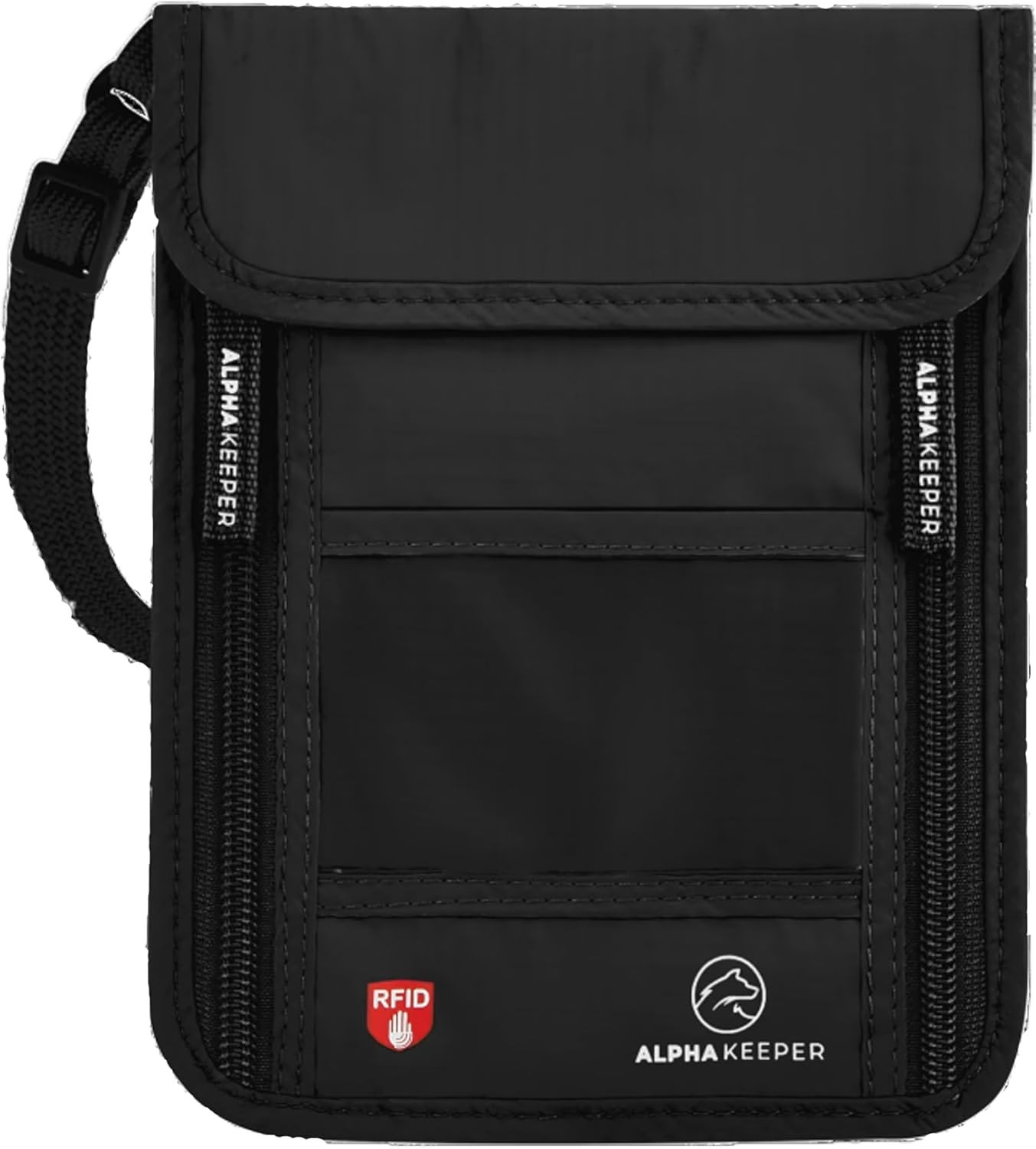
The single most effective beach security move in 2026 is wearing a slim, water-resistant RFID neck wallet under your swimsuit or rashguard — so your essentials move with your body, not sit on your towel. Alpha Keeper's Azure RFID Neck Wallet and Black RFID Neck Wallet are both built from water-resistant fabric, sit flat against the chest, and are slim enough (under 6mm) to disappear under a swim shirt or bikini top without visible bulk. You're not swimming the English Channel here — a quick dip, snorkel session, or wade keeps them completely protected. The neck cord is adjustable and cuts close enough to the body that it won't flap or tangle. Carry only your debit card, a folded emergency bill, and your hotel key card — that's it. Everything else locks in the hotel safe before you leave the room.
What to Actually Leave Behind (And How to Store It)
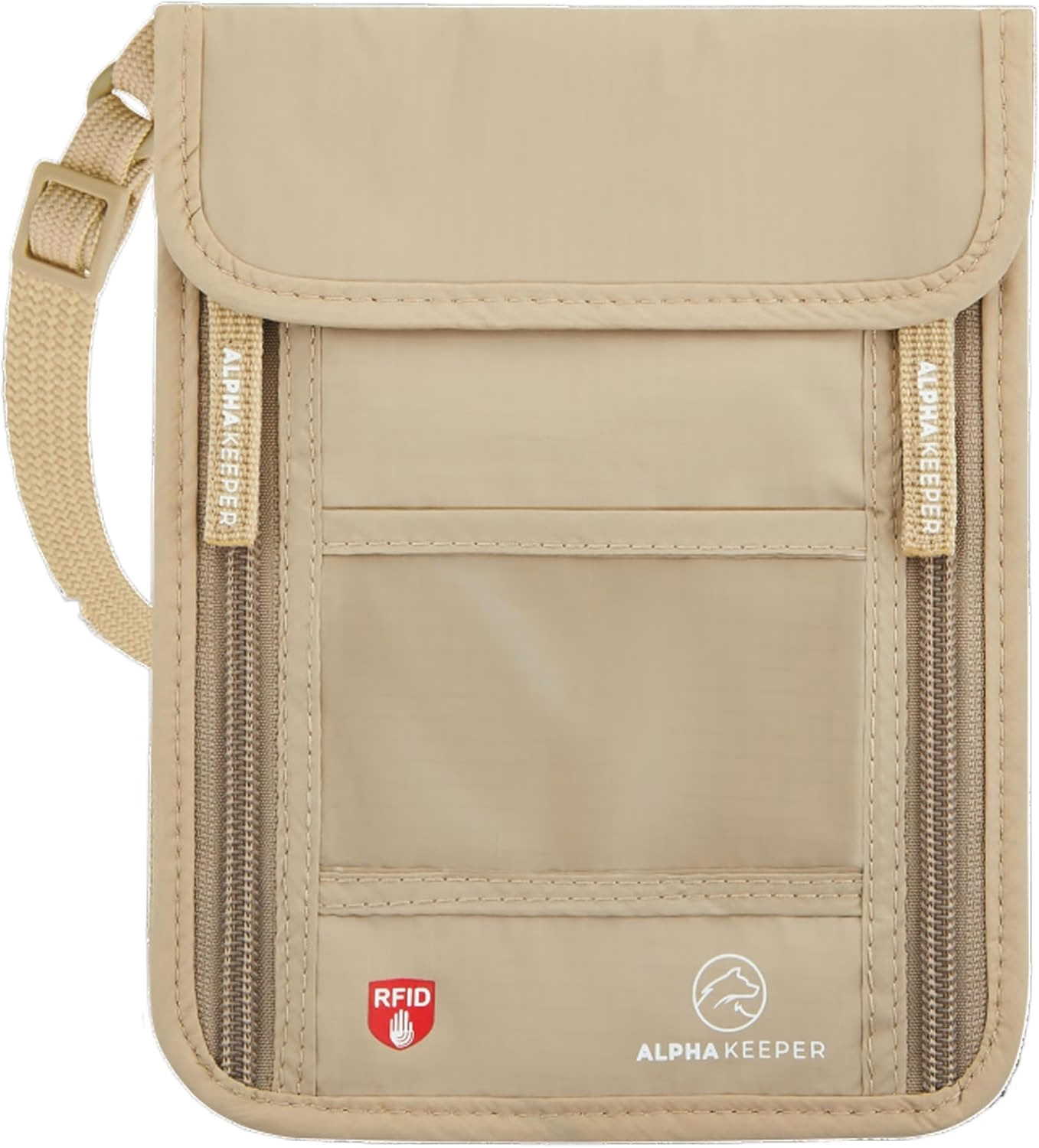
Your passport should almost never come to the beach — a certified color photocopy stored in your phone's secure folder and a physical copy in the hotel safe is sufficient for a day trip in most countries. If you must bring your physical passport (some all-inclusive resorts require it for the wristband check-in), Alpha Keeper's Beige RFID Neck Wallet includes two luggage tags and a full passport sleeve with RFID blocking, making it the rare neck wallet sized for a full passport that still tucks under a cover-up. Cash discipline matters more than any gadget: bring only what you'll spend that day — roughly 20–40 USD/EUR equivalent — and split it. Half in the neck wallet on your body, half locked in the hotel room. If both get stolen simultaneously, something much worse than pickpocketing is happening.
RFID Blocking at the Beach: Why It Still Matters in 2026
Contactless card skimming has evolved beyond the "guy with a reader in a crowd" threat — in 2026, compact Bluetooth-relay skimmers can be left unattended near beach chairs, scanning for NFC-enabled cards within 5–10cm range without any human nearby. It sounds like sci-fi until you're disputing a €340 charge from a tapas bar you never visited. Every neck wallet and money belt from Alpha Keeper blocks 13.56 MHz RFID signals, which covers all modern contactless payment cards and e-passports. The RFID sleeve sets — like the Fiber RFID Sleeve Set or the Colorful RFID Sleeve Set — are a smart backup layer for any card you drop into a beach bag or towel pocket rather than a dedicated wallet. They cost less than a single fraudulent transaction and weigh nothing.
Honest Comparison: Hidden Neck Wallet vs. Every Other "Beach Safe" Trick
Diversion safes (fake sunscreen bottles, hollow books) work once, on unsophisticated thieves who don't know the trick — which in 2026 at a high-traffic tourist beach is a shrinking population. Cable-lock beach safes anchor to a chair but not to the chair's owner, and a bolt cutter takes four seconds. Waterproof pouches worn around the wrist are visible, bulky, and announce "my valuables are here." A slim neck wallet worn under clothing wins on every practical axis: invisible, RFID-blocking, stays with you in the water, costs under $25, and requires zero setup. The only honest trade-off is comfort in very hot, humid conditions — wearing anything close to the skin in 95°F heat adds warmth. Alpha Keeper's neck wallets use breathable woven fabric that mitigates this, but it's real and worth acknowledging.
Your Complete Beach Security Checklist for 2026
Run this before you leave the hotel: passport locked in safe (yes, every time); hotel safe also holds your backup credit card and return flight documents; only one debit card and day-cash in your neck wallet; phone either left in the safe or in a waterproof pouch clipped to a trusted travel companion; no jewelry, full stop. If you're traveling solo with no one to watch gear, the math is simple — if it can't come into the water with you, it doesn't come to the beach. A Blue RFID Money Belt worn under board shorts handles more bulk than a neck wallet if you need to carry a larger card stack or local SIM; it sits flat at the waistband and is invisible under any swimwear with a drawstring. Build the habit once and it becomes as automatic as applying sunscreen.
Frequently Asked Questions
Can I wear an RFID neck wallet while swimming in the ocean?
Yes — Alpha Keeper's RFID neck wallets are made from water-resistant fabric that handles splashing, wading, and brief submersion in calm water. They are not rated for deep-water diving, but for normal beach swimming, snorkeling in calm conditions, or getting caught in waves, they perform reliably. Allow them to air-dry fully before storing cards long-term.
Is it safe to leave valuables in a hotel safe while at the beach?
Hotel safes are far safer than your beach towel, but not impenetrable. Use one for your passport, backup card, and extra cash every time — it eliminates the beach-theft risk entirely for those items. For the essentials you carry to the beach, a hidden RFID neck wallet is your best second layer.
What should I actually carry to the beach — and what should I leave behind?
Carry: one debit card, day-cash only (20–40 USD/EUR equivalent), your phone if needed, and hotel key. Leave behind: your passport (use a photocopy), backup credit card, jewelry, and any cash beyond what you'll spend. Everything "left behind" goes in the hotel safe, not the bag under your chair.
Ready to upgrade?
Stop leaving your day's cash and cards as an open invitation — clip on the Azure RFID Neck Wallet before your next beach day and take everything important into the water with you, where no one can touch it.