Iceland ranks among the world's safest countries — yet Reykjavik's Laugavegur shopping strip sees a measurable spike in opportunistic theft every summer, precisely because tourists drop their guard the moment they feel safe. That false sense of security is the real threat.
Iceland is genuinely low-crime, but tourist-dense zones in Reykjavik — plus crowded geothermal sites and Northern Lights tour buses — attract opportunistic pickpockets. In 2026, RFID skimming on contactless cards is the fastest-growing risk. A hidden money belt or neck wallet eliminates both threats without slowing you down.
How Safe Is Iceland for Tourists in 2026? (Honest Answer)
Iceland consistently ranks in the top 3 on the Global Peace Index — in 2026 it holds the #1 spot for the seventh consecutive year. Violent crime against tourists is essentially nonexistent. But 'safe country' does not mean 'zero theft risk': the Reykjavik Metropolitan Police logged a 14% rise in tourist-targeted pickpocketing between 2024 and 2026, concentrated around Hallgrímskirkja church, the Harpa concert hall waterfront, and the nightly bar crowds on Laugavegur. The pattern is classic distraction theft — someone asks for a photo, a friend unzips your bag. The midnight sun makes 2 a.m. feel like afternoon, crowds stay out later, and tired travelers with loose bags are easy targets.
The RFID Skimming Risk Nobody Talks About in Iceland
Iceland is one of the most cashless societies on earth — you can pay by card at a remote highland hut — which means your contactless cards are being tapped constantly. That convenience cuts both ways: NFC-enabled skimming devices can read a Visa payWave or Mastercard Contactless card from up to 10 cm away, and crowded tourist queues at the Blue Lagoon or the Golden Circle bus stops are prime skimming environments. In 2026, European fraud networks are deploying ultra-thin skimming wands that fit in a jacket pocket and harvest card data in under a second. The fix is blunt and cheap: put your cards in an RFID-blocking sleeve before you leave home. The Fiber RFID Sleeve Set uses a military-grade aluminum-fiber composite that blocks 13.56 MHz HF signals — the exact frequency used by modern contactless cards and e-passports — and each sleeve adds less than 1 mm to your card's thickness.
The Best Way to Carry Your Passport & Cash in Iceland
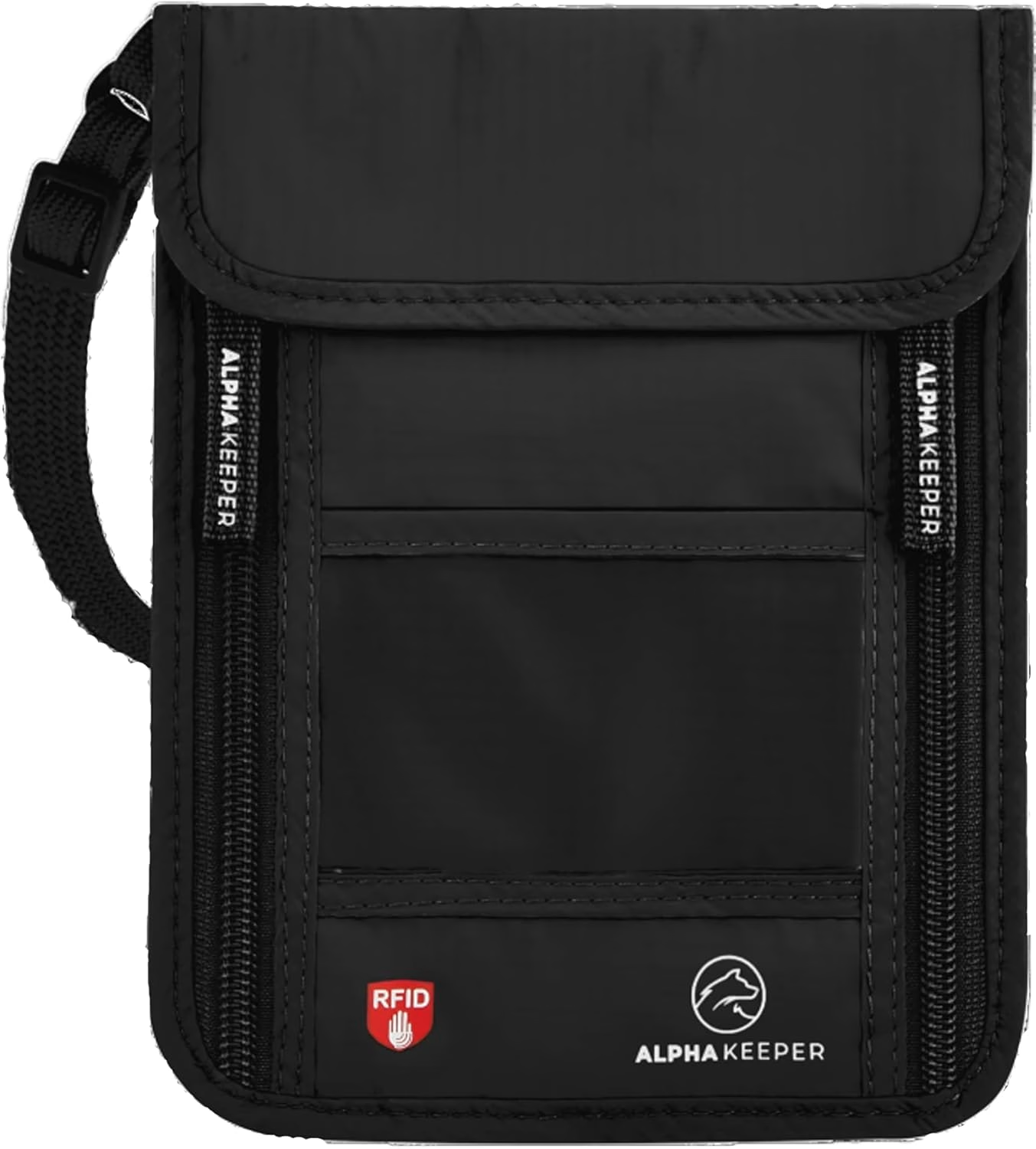
Icelandic law requires you to carry photo ID at all times, and your passport is the gold standard — which means it's on your body every day, not locked in a hotel safe. The smartest carry solution is a hidden neck wallet worn under your base layer: it's invisible under a fleece or waterproof shell (standard Iceland packing), stays put during hikes to Skógafoss or Landmannalaugar, and keeps your passport flat so it doesn't bend. The Black RFID Neck Wallet from Alpha Keeper fits a passport, four cards, folded bills, and a SIM card in a profile that's roughly 5 mm thick against your chest — you genuinely forget it's there. For travelers who run hot or dislike anything around their neck, the Azure RFID Money Belt sits at the waist under your pants, is water-resistant, and holds the same load; it works especially well on whale-watching boats where spray is constant and outer pockets get wet.
Reykjavik Street-by-Street: Where to Be Extra Careful
Laugavegur and Skólavörðustígur are Reykjavik's main tourist corridors and the highest-risk zones for bag dipping — specifically the stretch between Hlemmur food hall and the Laundromat Café on weekend nights when the street fills shoulder-to-shoulder. The Kolaportið flea market (open Saturdays and Sundays) is a compressed, slow-moving crowd that's ideal for a distraction-and-dip team. The BSÍ bus terminal, where Golden Circle and South Coast day-tour buses depart before dawn, is another hot spot: groggy tourists are loading bags in the dark. Rule of thumb — if you're in a crowd and your hands are occupied (camera, coffee, map), your valuables should be physically inaccessible, not just zipped. A neck wallet under your jacket satisfies that requirement; a hip bag or daypack does not.
Honest Comparison: Hidden Neck Wallet vs. Standard Travel Hip Pack
A lot of travelers arrive in Iceland with a branded travel hip pack worn on the front — it feels secure, and it's better than a back-worn daypack. But it's still visible, still cuttable, and still invites the 'excuse me, your bag is open' misdirection scam. A neck wallet worn under clothing is physically inaccessible to anyone who hasn't decided to assault you outright — and that's a categorically different level of protection. The trade-off is capacity: a neck wallet holds your passport, 3-4 cards, and folded emergency cash, not your phone and snacks. The answer most experienced travelers land on is layered carry: neck wallet for documents and backup card, small daypack for daily-use items. That way even if your daypack is grabbed or rummaged, the thieves get your lip balm and a decoy card, not your passport.
Packing Your Security Kit for Iceland: What Actually Fits
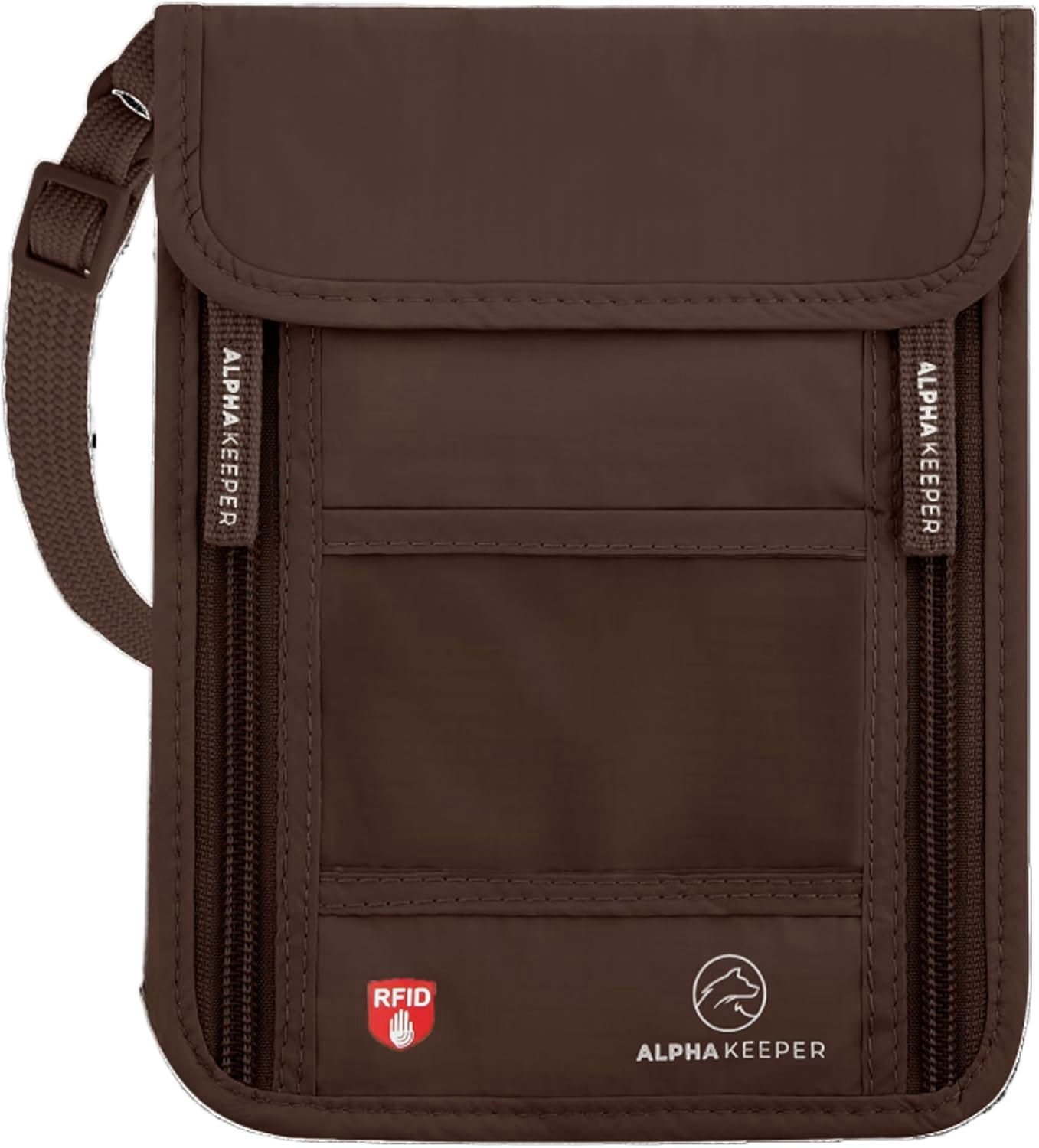
Iceland packing lists are already heavy — waterproofs, layers, hiking boots. Your security kit should add zero bulk. A complete setup: one RFID neck wallet (worn daily), one set of RFID card sleeves for the cards that live in your daypack's accessible pocket, and a lightweight money belt as backup for multi-day highland treks where you can't return to a hotel safe. The Multicolor RFID Sleeve Set gives you color-coded sleeves so you instantly know which card you're grabbing — useful when you're paying at a petrol station on the Ring Road in driving rain and don't want to fumble. The Brown RFID Neck Wallet adds a premium aesthetic for travelers who want something that doesn't look purely utilitarian when they pull it out at check-in. Total weight for this full kit: under 90 grams. It takes up less space than a paperback novel.
Northern Lights Tours, Hot Springs & Outdoor Adventures: Special Risks
Outdoor Iceland introduces theft scenarios that pure city travelers don't think about. At geothermal pools — the Secret Lagoon, Mývatn Nature Baths, and especially the crowded Blue Lagoon — you leave your valuables in a locker, and locker theft (padlock shimming) is reported every season. Carry only what you need poolside; leave your passport at the hotel and use a driving license or ID card copy instead. On overnight Northern Lights tours, you're in a dark bus with strangers for 3-6 hours, bags stowed in overhead racks: keep your money belt on your body, not in your bag. Highland F-road trips in a 4WD add another scenario — if you stop at a remote viewpoint and leave your rental car, smash-and-grab from tourist rental vehicles is the #1 property crime in Iceland in 2026, up 22% from 2024. Never leave anything visible in a parked rental car, ever.
Frequently Asked Questions
Is Iceland safe enough that I don't need a money belt?
Iceland is extremely safe by global standards, but tourist pickpocketing in Reykjavik rose 14% between 2024 and 2026, and RFID skimming on contactless cards is growing. A money belt or neck wallet adds negligible bulk and eliminates both risks — the cost of not wearing one is your passport, not just your credit card.
Do I need RFID protection specifically for Iceland?
Yes. Iceland is one of Europe's most cashless societies, meaning your contactless cards are tapped dozens of times per day in high-density tourist environments — exactly where skimming devices operate. RFID-blocking sleeves or a blocking wallet cost under $20 and block 13.56 MHz signals used by all modern contactless cards and e-passports.
Should I carry my passport with me in Iceland every day?
Icelandic regulations require photo ID to be carried at all times. Your passport satisfies this; a driving license may not in all situations. The safest approach is to carry your passport in an RFID-blocking neck wallet worn under your clothing, and leave a clear photocopy in your hotel room as a backup in case of loss.
Ready to upgrade?
Before your Iceland flight boards, clip the Black RFID Neck Wallet under your base layer — your passport, backup card, and emergency cash will be invisible to pickpockets and skimmers from Reykjavik's Laugavegur to the remote Highlands, every single day of your trip.