One in five tourists visiting Lima reports a theft or attempted theft — and most of them had their wallet in exactly the wrong place: a back pocket, an unzipped daypack, or a bag hanging off one shoulder at a busy market. Peru is magnificent. It's also one of South America's most active pickpocket hotspots, and the thieves are genuinely skilled.
In Peru, keep your passport and emergency cash in an RFID-blocking money belt or neck wallet worn under your clothing at all times in Lima, Cusco, and Machu Picchu. Carry only daily spending money in a front pocket. Use RFID-blocking card sleeves to prevent contactless skimming in crowded markets and transit hubs.
Why Peru Is a High-Risk Destination for Travelers' Valuables
Peru consistently ranks among the top five South American countries for tourist-targeted theft, with Lima's Miraflores district, Cusco's Plaza de Armas, and the Aguas Calientes train station all flagged in 2026 U.S. State Department advisories as high-pickpocket zones. Distraction theft — a stranger spilling something on you, a 'helpful' local pointing out a stain — is the dominant tactic, and it works precisely because you're focused on the Inca architecture rather than your back pocket. Crowded collectivo buses, the Lima airport arrivals hall, and the Inca Trail trail-head checkpoint are where most incidents occur. RFID skimming is a growing secondary threat: Peru's expanding contactless payment infrastructure means thieves with a cheap Bluetooth reader can harvest card data from an inch away in a packed market. The combination of physical and electronic theft risk is exactly why layering your security — hidden carry plus RFID blocking — isn't overkill, it's just math.
Lima: The Riskiest City in Your Peru Itinerary
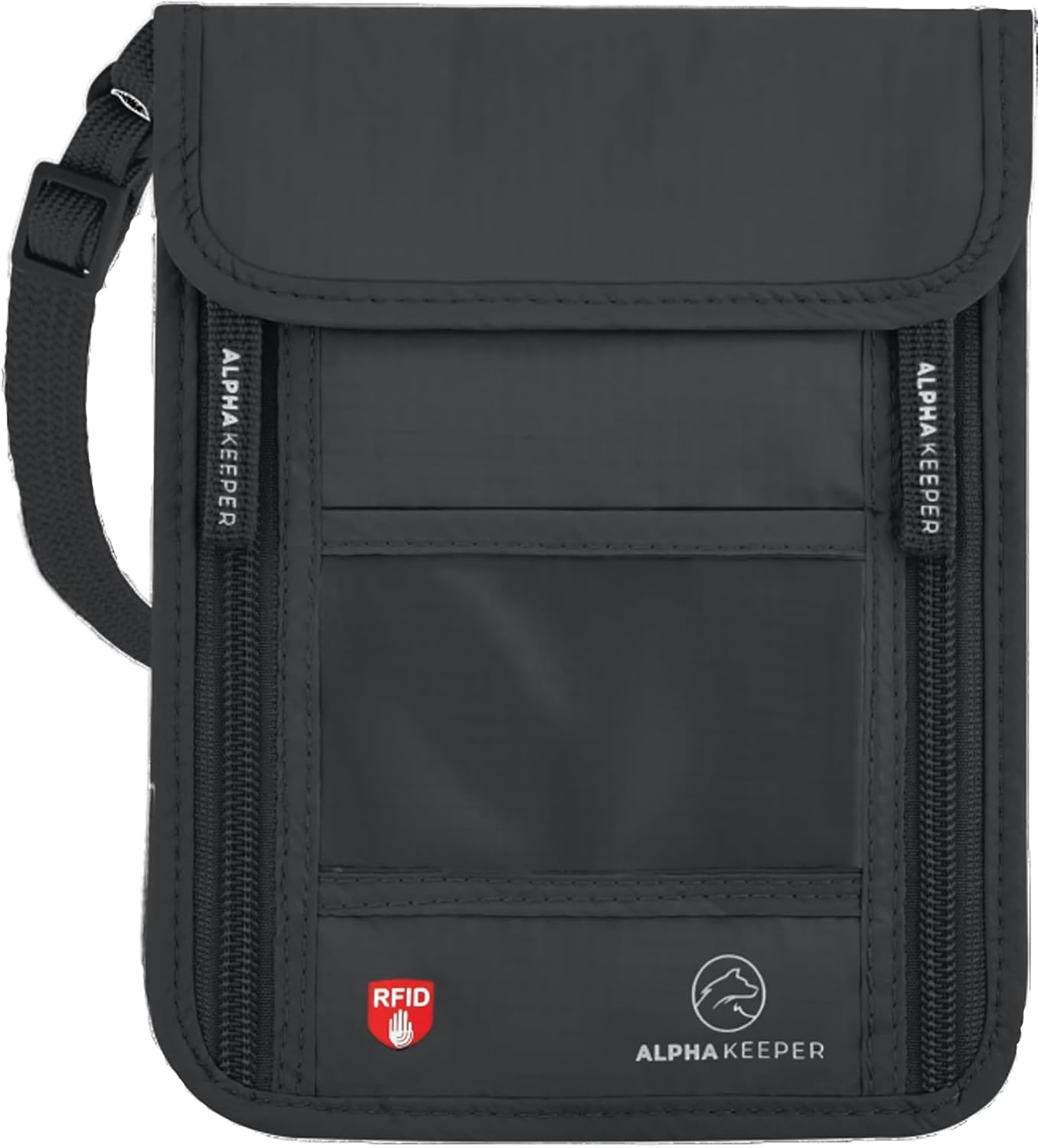
Lima is almost always your entry and exit point, which means jet-lagged travelers fresh off a 10-hour flight are navigating Jorge Chávez International Airport with all their cards on their person — peak vulnerability. The route from the airport to Miraflores runs through Callao, one of Peru's most theft-prone corridors; official taxis and pre-booked airport transfers dramatically reduce risk, but they don't eliminate it. In Miraflores and Barranco (the tourist-friendly neighborhoods), café grab-and-runs — someone snatching a phone or bag off a café table and sprinting — happen in broad daylight. The practical rule: anything you'd cry about losing goes under your shirt, not in your bag. Wearing a Dark Grey RFID Neck Wallet or a Black RFID Travel Money Belt | Hidden Travel Gear under a loose layer keeps your passport, backup card, and $150 emergency cash completely invisible and completely inaccessible to a passing hand.
Cusco: Altitude, Crowds, and Opportunistic Theft
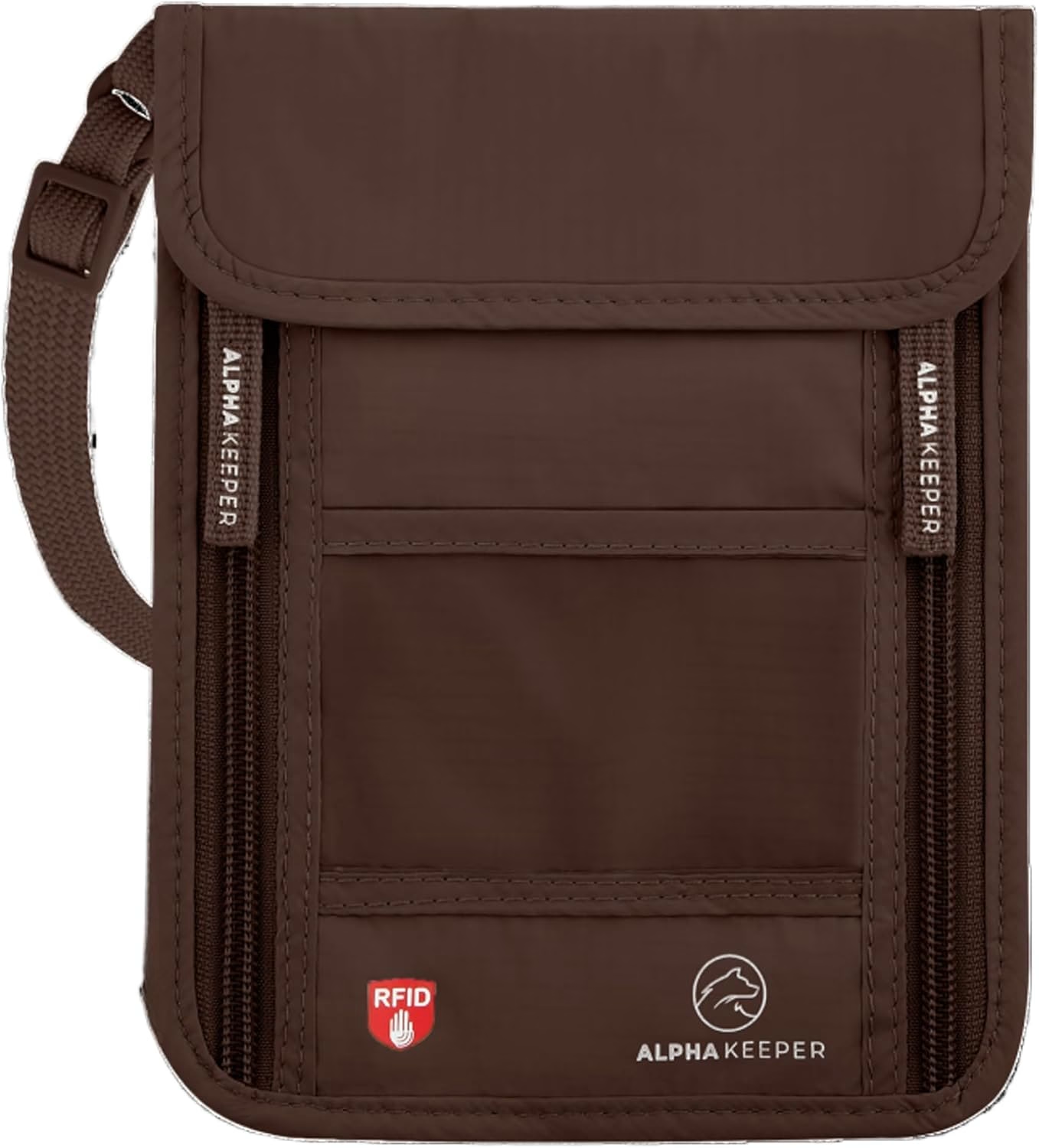
Cusco sits at 11,152 feet (3,400 m), and altitude sickness hits most visitors within hours — which means you're distracted, moving slowly, and less situationally aware than usual, exactly the window pickpockets exploit. The San Pedro Market, the main Plaza de Armas, and the Pisac market on the Sacred Valley circuit are the three highest-reported theft locations in the Cusco region as of 2026. Organized distraction teams often work these areas: one person bumps you, another lifts your wallet in the chaos. A slim Brown RFID Money Belt worn inside the waistband is genuinely undetectable under a fleece or poncho (both of which you'll be wearing at altitude anyway), and the RFID-blocking lining neutralizes any skimming attempt. Keep your daypack zipped and in front of your body in crowded spaces, and carry only the day's sol spending money — ideally no more than 150-200 PEN (about $40-55 USD) — in a front pocket.
Machu Picchu: Theft Risk Even at 7,972 Feet
Machu Picchu itself is lower-risk for pickpocketing inside the ruins — entry requires a time-stamped ticket and bag check, which naturally filters the crowd — but the journey there and back is where most incidents happen. The Aguas Calientes train station, the bus queue from Aguas Calientes up to the ruins, and the town's central market are all active theft zones. Hikers doing the Inca Trail face a different risk: multi-day packs left at campsites while you explore side trails. The solution is a lightweight neck wallet that stays on your body the entire trek; the Azure RFID Neck Wallet is a practical choice because its slim profile (under 5mm when loaded with a passport, two cards, and folded bills) sits flat against your chest without adding bulk under a hiking layer. For the train journey on Peru Rail or Inca Rail, keep your bag on your lap and not in the overhead rack — bags stored overhead on these routes have a documented history of going missing.
RFID Skimming in Peru: Real Threat or Traveler Paranoia?
Here's the honest answer: physical theft is a far greater statistical risk in Peru than electronic skimming — but RFID skimming is real, costs nothing to prevent, and is growing as Peru modernizes its payment infrastructure. Any contactless card (Visa payWave, Mastercard PayPass, newer passport chips) can be read from 1-4 inches away with commercially available equipment. Busy markets in Lima's Gamarra district, the crowded Cusco bus terminal, and Lima's Metro Line 1 are environments where a skimmer could harvest dozens of card numbers per hour without attracting attention. RFID-blocking sleeves are the cheapest and least intrusive fix: a set like the Fiber RFID Sleeve Set or the Colorful RFID Sleeve Set slips over each card individually, adds less than 1mm of thickness, and blocks the 13.56 MHz frequency used by virtually all modern contactless payment cards and biometric passports. The cost is under $15 for a full set. There is no credible argument against using them.
Honest Comparison: Money Belt vs. Neck Wallet for Peru
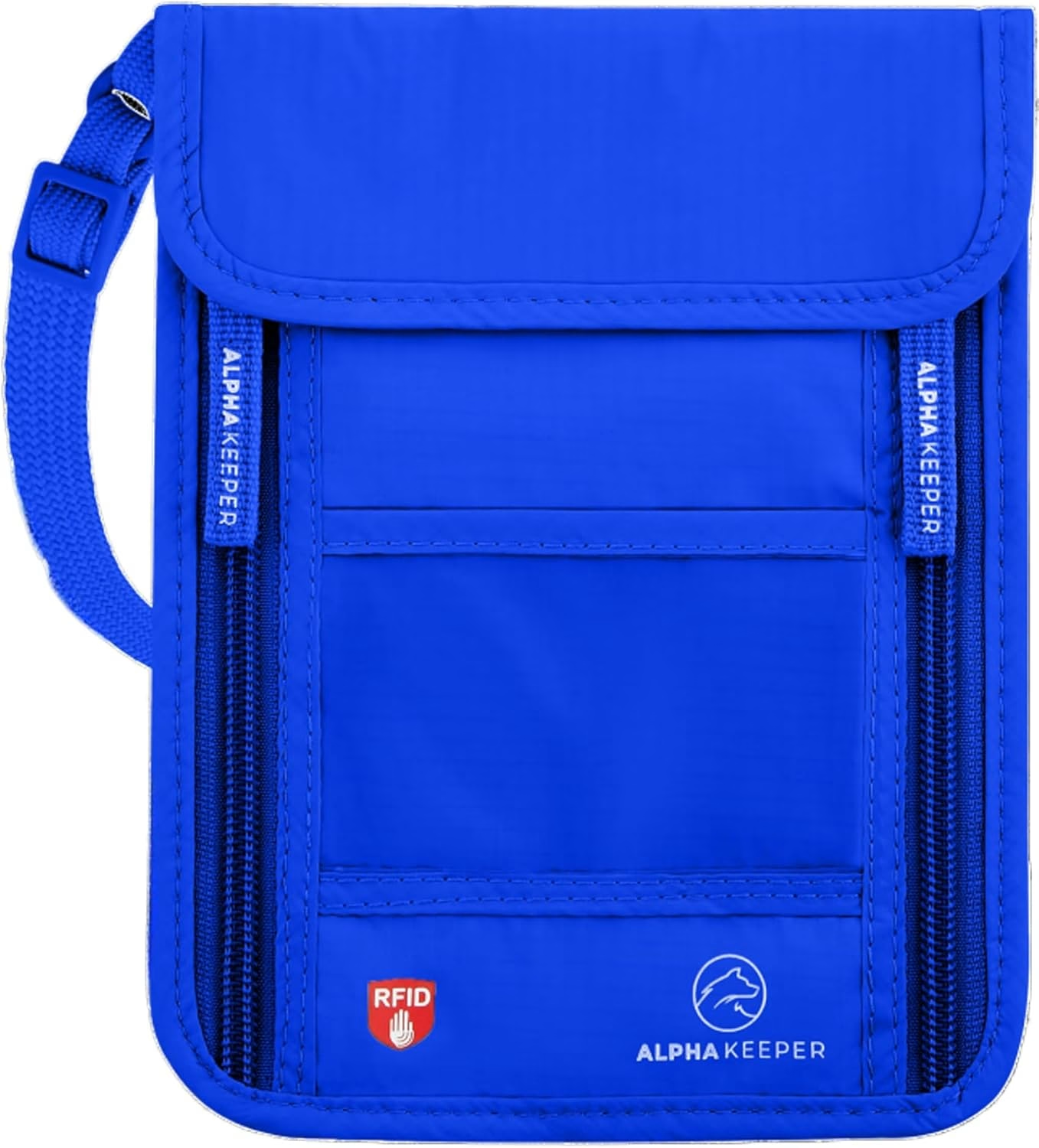
Both a money belt and a neck wallet hide your valuables under clothing, but they suit different travelers and different days. A money belt (worn inside the waistband) is more secure against grabbing — nothing to yank — and completely invisible, but accessing it in public requires either going to a bathroom or lifting your shirt, which draws attention. A neck wallet hangs against your chest under a shirt layer; it's slightly faster to access and better for day-hikers who need their passport out repeatedly (Machu Picchu entry, for instance). For a 10-day Peru circuit that includes Lima city days, a Sacred Valley day trip, and a Machu Picchu hike, the smart move is both: a Blue RFID Money Belt for the primary stash (passport, backup card, emergency cash) and a Blue RFID Neck Wallet for the day's working documents. That way your main reserve never leaves your waistband, and your frequently-needed items stay accessible without exposing your full kit.
The Daily Cash Strategy That Actually Works in Peru
Peru is still a heavily cash-based economy — soles (PEN) are essential at markets, smaller restaurants, Inca Trail fees, and local transport — and ATMs in Cusco and Aguas Calientes routinely charge $8-12 USD per withdrawal, which punishes frequent small withdrawals. The optimal strategy: withdraw larger amounts (500-800 PEN) at a Scotiabank or BCP ATM in Lima or central Cusco (both have lower foreign fees and better rates than airport machines), then split the cash. Store the bulk in your money belt, carry that day's budget in a front pocket, and keep $100 USD equivalent as a hidden emergency reserve in a separate compartment. Never put all denominations together — if someone grabs your pocket cash, your belt cash is untouched. This three-layer cash split, combined with RFID-protected cards in a Retro RFID Sleeve Set, means a successful pickpocket gets $15 and an annoying afternoon, not your entire trip budget.
Frequently Asked Questions
Is it safe to use ATMs in Lima and Cusco?
Yes, but use ATMs inside bank branches or well-lit lobbies during daylight hours — never street-side machines at night. Scotiabank and BCP ATMs are considered the most reliable in Peru. Shield your PIN, withdraw larger amounts less frequently to minimize exposure and fees ($8-12 USD per transaction is common), and transfer your cash immediately into a hidden money belt rather than a wallet or bag.
Do I really need RFID blocking in Peru, or is it hype?
Physical pickpocketing is the dominant threat in Peru, but RFID skimming is documented and growing as contactless payment infrastructure expands in Lima and Cusco. RFID-blocking sleeves cost under $15, add negligible bulk, and eliminate the electronic risk entirely. Given the low cost and zero downside, using them is simply sensible travel hygiene — not paranoia.
Can I wear a money belt or neck wallet comfortably on the Inca Trail?
Yes. Modern slim neck wallets like the Azure RFID Neck Wallet sit flat against your chest at under 5mm thickness when loaded, which is barely noticeable under a base layer or hiking shirt. For multi-day trekking, keep your passport, emergency card, and folded emergency cash in the neck wallet on your body at all times — never in your pack — so your most critical documents are secure even if your gear is unattended at camp.
Ready to upgrade?
Don't let a Lima pickpocket or a Cusco market skimmer end your Peru adventure early — grab the Black RFID Travel Money Belt | Hidden Travel Gear before you fly and keep your passport, backup cash, and emergency card exactly where they belong: invisible, under your shirt, and 100% inaccessible.