Seoul consistently ranks among the world's top 10 safest cities for tourists — yet in 2026, South Korean transit hubs processed over 50 million contactless card transactions per month, making your tap-to-pay cards a far juicier target than your wallet ever was. The threat isn't a mugger in a dark alley. It's a scanner in a crowded subway car.
Seoul is extremely safe from physical theft, but RFID skimming on packed metro lines and contactless card fraud are real 2026 risks. Use an RFID-blocking neck wallet or money belt to keep cards and passports secure under clothing, carry only daily spending cash in a front pocket, and stay alert in Hongdae and Myeongdong crowds.
How Safe Is Seoul for Tourists, Really? (The Honest 2026 Picture)
Seoul's overall crime index sits well below European capitals like Paris or Barcelona — violent crime against tourists is genuinely rare, and you can walk Gangnam at 2 a.m. with confidence most cities can't offer. That said, petty opportunistic theft spikes hard in three zones: Myeongdong's shoulder-to-shoulder shopping streets, Hongdae on Friday nights, and Incheon International Airport's baggage claim. Pickpocketing in Seoul tends to be fast and distraction-based — a 'dropped phone' moment, a sudden crowd surge on Line 2 — and it targets tourists who visibly fumble with foreign cash or dangle an unzipped daypack. The 2026 risk profile has one new wrinkle: Korea's near-universal adoption of T-money contactless transit cards and Samsung Pay has normalized NFC everywhere, meaning skimming hardware has become cheaper and easier to conceal than ever before.
RFID Skimming in Seoul: Is It Actually a Threat in 2026?
RFID and NFC skimming is no longer a theoretical risk — security researchers demonstrated in 2025 that off-the-shelf hardware costing under $30 USD can read an unshielded contactless card from up to 10 cm away in under 200 milliseconds. On Seoul Metro Line 2 during rush hour, you're packed tighter than that with hundreds of strangers. Modern Visa and Mastercard contactless chips use tokenization, which limits single-transaction fraud, but the real exposure is passport data: your e-passport broadcasts a chip ID that can be captured and used to clone travel documents. The practical solution is dead simple — slot your cards and passport into RFID-blocking sleeves before you leave for the airport. The MultiColor RFID Sleeve Set gives you color-coded sleeves for each card so you always grab the right one without thinking, which matters when you're jet-lagged at Incheon trying to find your transit card.
Best Gear for Keeping Valuables Safe in Seoul
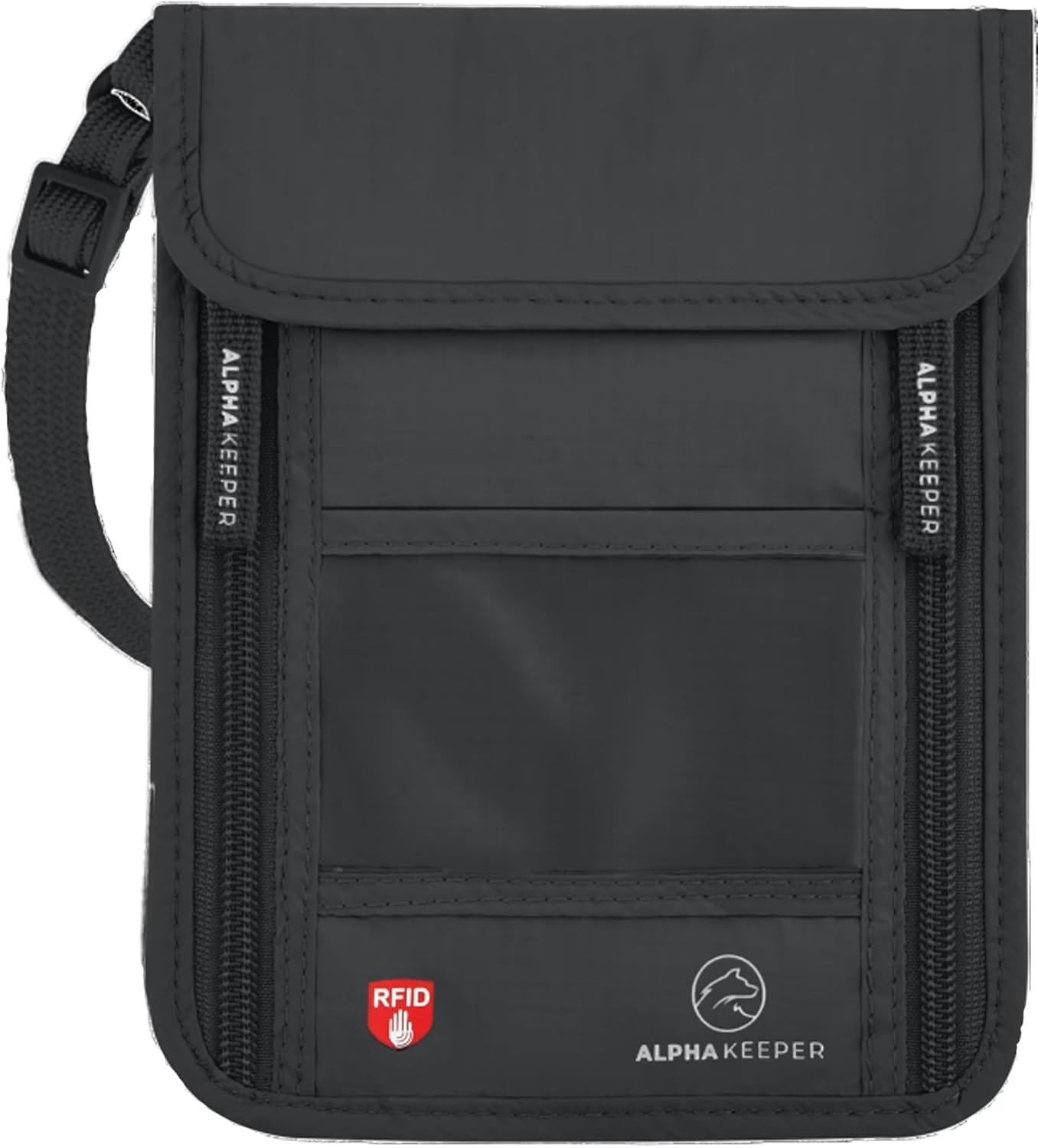
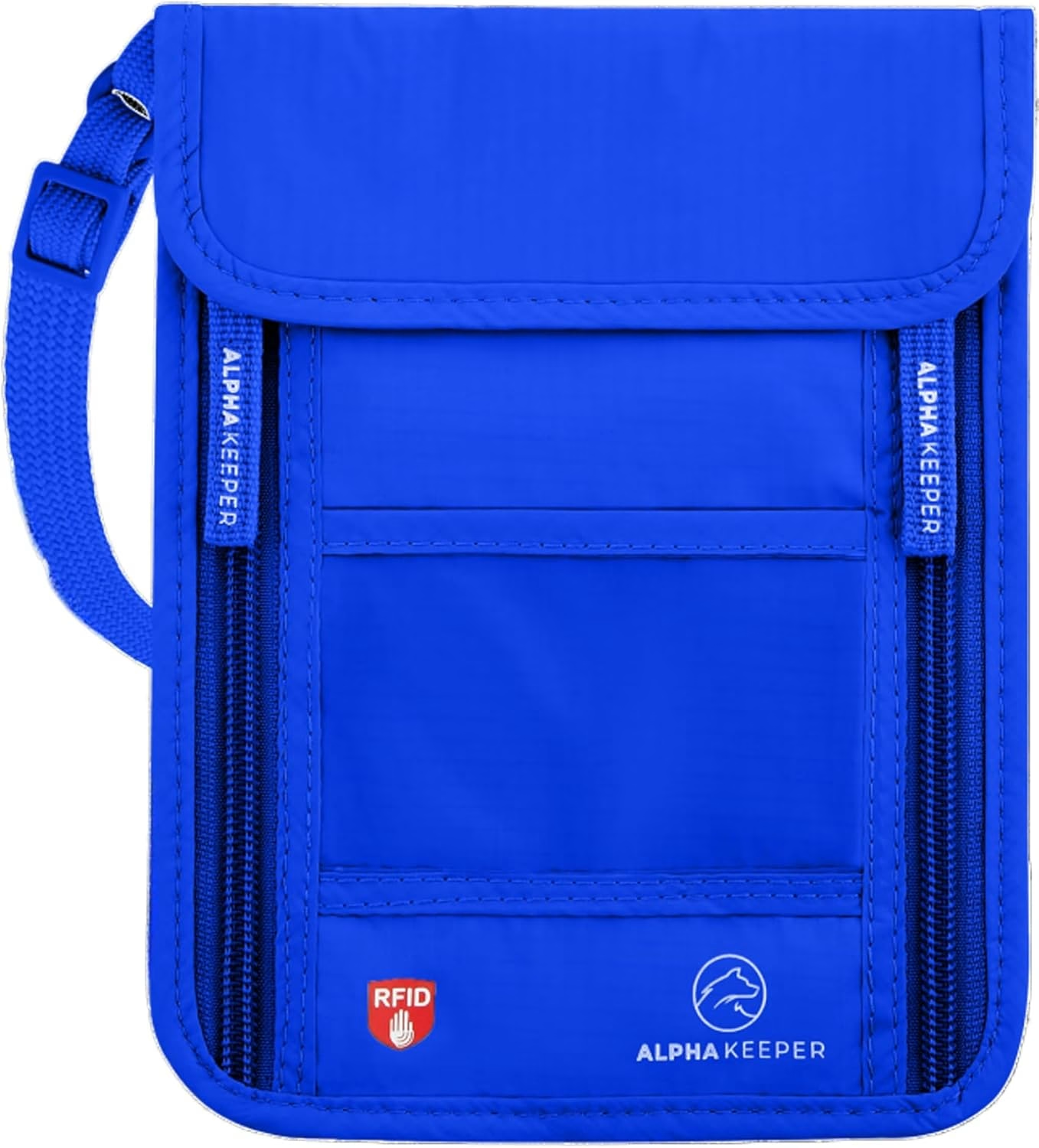
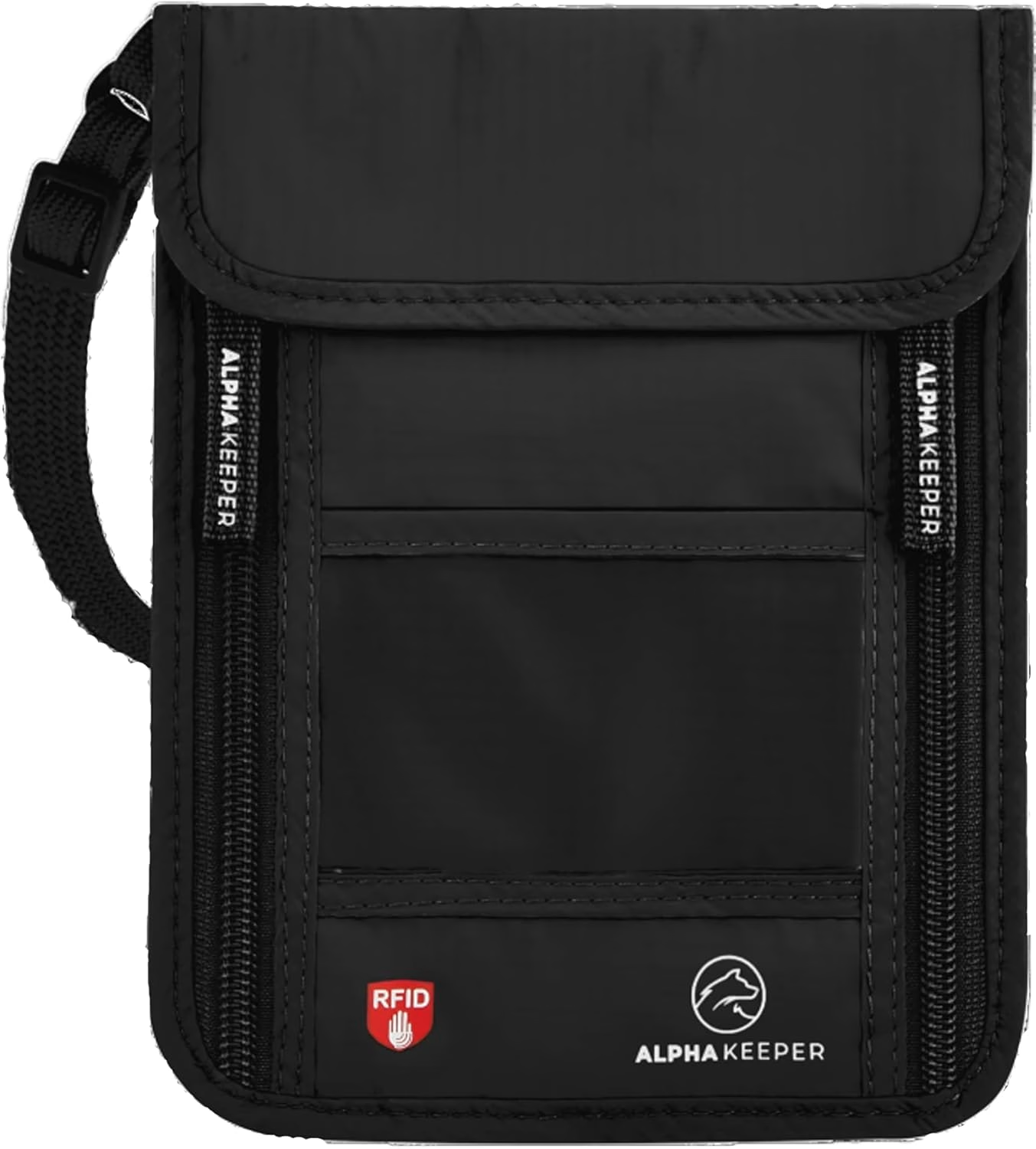
For Seoul specifically, a neck wallet beats a money belt for most travelers — Korea involves a lot of sitting (floor-level Korean BBQ restaurants, subway seats, PC bangs), and an under-shirt money belt becomes uncomfortable and awkward to access discreetly when you're cross-legged. The Dark Grey RFID Neck Wallet sits flat against your sternum, holds a passport, four cards, and folded emergency cash in a slim ripstop nylon pouch that stays invisible under a lightweight shirt — critical when Seoul summers hit 35°C and you're wearing a single layer. For travelers doing heavy shopping in Myeongdong or Dongdaemun who need quick card access without pulling out a neck wallet, the Black RFID Sleeve Set slipped into a front-pocket slim wallet is the faster daily-use solution. If you're doing multi-day hikes to Bukhansan or carrying a larger cash budget for markets, the Blue RFID Money Belt worn beneath your waistband is the most secure option and completely invisible under the loose hiking pants most trail visitors wear.
Honest Comparison: RFID Neck Wallet vs. Cheap Travel Pouch from a Convenience Store
You'll see flimsy nylon document pouches in Daiso stores across Seoul for around 2,000–3,000 KRW (about $1.50 USD) — and yes, they hold your passport. What they don't do is block RFID signals, use reinforced cords that resist slashing, or sit flat enough to stay hidden under a shirt without a visible rectangular bulge. Alpha Keeper's Azure RFID Neck Wallet uses a tested aluminum-fiber blocking layer rated to block 13.56 MHz signals (the frequency used by passports and most contactless cards), a cut-resistant neck strap, and a profile thin enough that it doesn't print through a standard t-shirt. The convenience-store pouch is fine for a locker backup — not for carrying your actual passport through Itaewon on a Saturday night.
Seoul-Specific Safety Tips You Won't Find in Generic Travel Guides
First, get a T-money card at the airport and load it with 30,000–50,000 KRW — this single card handles metro, bus, and most convenience store purchases, meaning your credit cards stay buried in your neck wallet all day. Second, Korean ATMs inside GS25 or CU convenience stores are almost universally international-card compatible and well-lit, so avoid the standalone machines near Hongdae clubs at midnight. Third, Naver Maps is dramatically more accurate than Google Maps in Seoul — download it offline before arrival so you're not the tourist standing on a corner staring at a phone, which is the universal signal for 'distracted and possibly lost.' Finally, Korean emergency services respond to 112 (police) and 119 (fire/ambulance), and the Seoul Metropolitan Police maintain an English hotline specifically for tourists at 02-6900-0075 as of 2026 — save it before you land.
What to Do If Something Gets Stolen in Seoul
Seoul has a strong lost-and-found culture — Koreans routinely turn in found items, and the Seoul Metro's lost-and-found offices recover and return wallets at a rate that would shock most Western travelers. File a report at the nearest police box (called a 'chiji-so') immediately; officers at tourist-heavy stations in Myeongdong and Insadong typically speak functional English. For passport theft or loss, the U.S. Embassy is in Jongno-gu and processes emergency passports in 1–3 business days; keep a photo of your passport data page stored in your cloud account as a backup. The fastest recovery of any theft situation, though, is never needing to recover — storing your passport in an RFID neck wallet under your shirt means a pickpocket grabbing your daypack gets your Chapstick, not your identity.
Frequently Asked Questions
Is Seoul safe for solo travelers in 2026?
Yes — Seoul is one of the safest major cities in the world for solo travelers, including solo women. Violent crime against tourists is rare. The primary risks are opportunistic pickpocketing in crowded shopping districts like Myeongdong, and RFID/NFC card skimming on packed subway lines. Using an RFID-blocking neck wallet and keeping daily spending cash separate from your main funds covers the realistic threat profile.
Do I need RFID protection in South Korea?
More than most countries, yes. South Korea has one of the highest rates of contactless payment adoption globally, meaning NFC infrastructure — and the skimming hardware that exploits it — is everywhere. Your e-passport chip is also readable without RFID blocking. Slipping cards and your passport into RFID-blocking sleeves or a blocking neck wallet costs under $30 and eliminates that entire risk category.
Should I use a money belt or neck wallet in Seoul?
For Seoul specifically, a neck wallet is the better choice for most travelers. Seoul's culture involves frequent sitting on floor-level seating (BBQ restaurants, traditional teahouses), which makes waistband money belts uncomfortable and awkward to access discreetly. A slim RFID neck wallet worn under a shirt stays hidden, accessible, and comfortable through a full day of walking, eating, and riding the metro.
Ready to upgrade?
Ready to move through Seoul's subway crowds and night markets without a second thought? Grab the Dark Grey RFID Neck Wallet — slim enough to disappear under a summer shirt, tough enough to protect your passport and cards all trip long.