Over 2 million tourists visited Kenya in 2025 — and Nairobi's CBD consistently ranks among East Africa's top pickpocket hotspots. The irony? Most travelers obsess over wildlife safety and completely forget that their back pocket is the real predator magnet.
On a Kenya safari, keep your passport and emergency cash in an RFID-blocking neck wallet or money belt worn under clothing at all times — especially in Nairobi, Mombasa markets, and crowded border crossings. Carry only daily spending cash in a front pocket. Never leave valuables in a safari vehicle or unlocked lodge room.
Why Kenya Is a Unique Security Challenge (It's Not Just Pickpockets)
Kenya blends two radically different threat environments into one trip: chaotic urban centers like Nairobi's River Road and Mombasa's Old Town, where physical theft is opportunistic and fast, and remote safari zones where your entire trip budget may be sitting in a dust-coated Land Cruiser for 6 hours at a time. Add RFID skimming — a growing problem at Nairobi's busy ATM clusters and transit hubs — and you have a layered threat most safari guides simply don't brief you on. In 2026, contactless card fraud is no longer just a European airport problem; Kenyan cybercrime units have flagged NFC-based skimming incidents at major Nairobi hotels and shopping malls like the Westgate and Junction complexes. The physical and electronic risks require two different defenses worn simultaneously.
Game Drive Security: What to Do With Your Valuables When the Lion Approaches
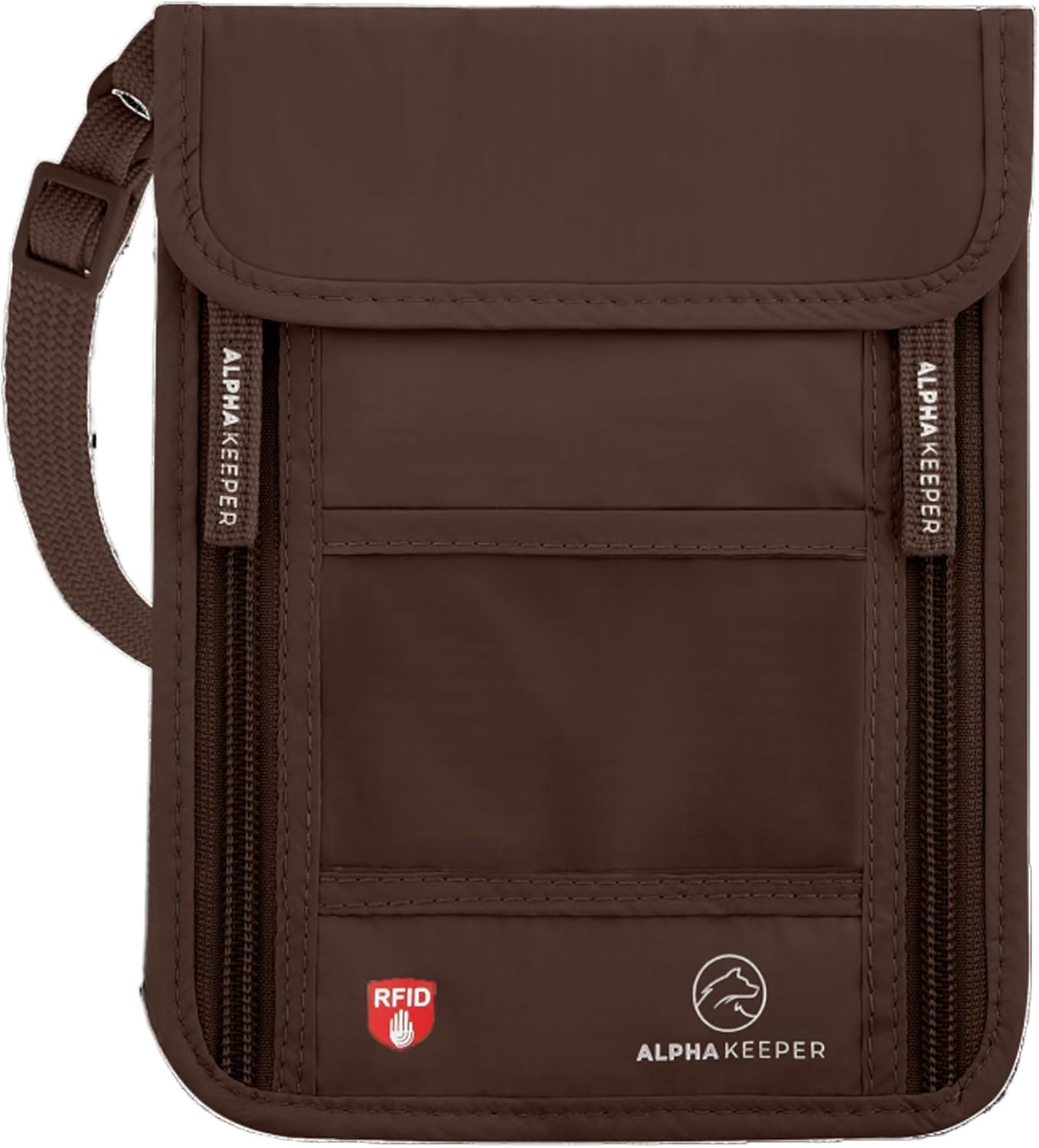
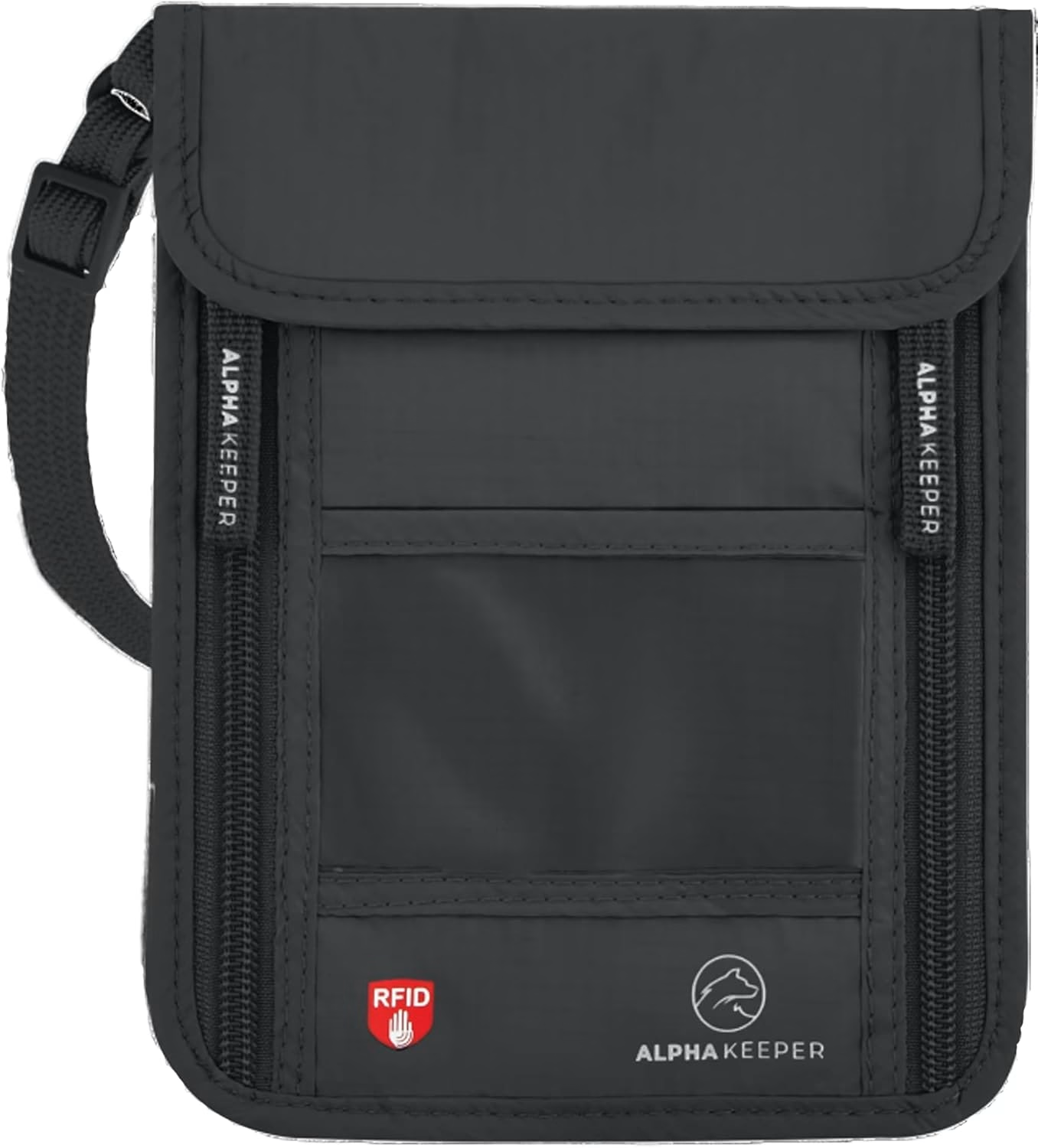
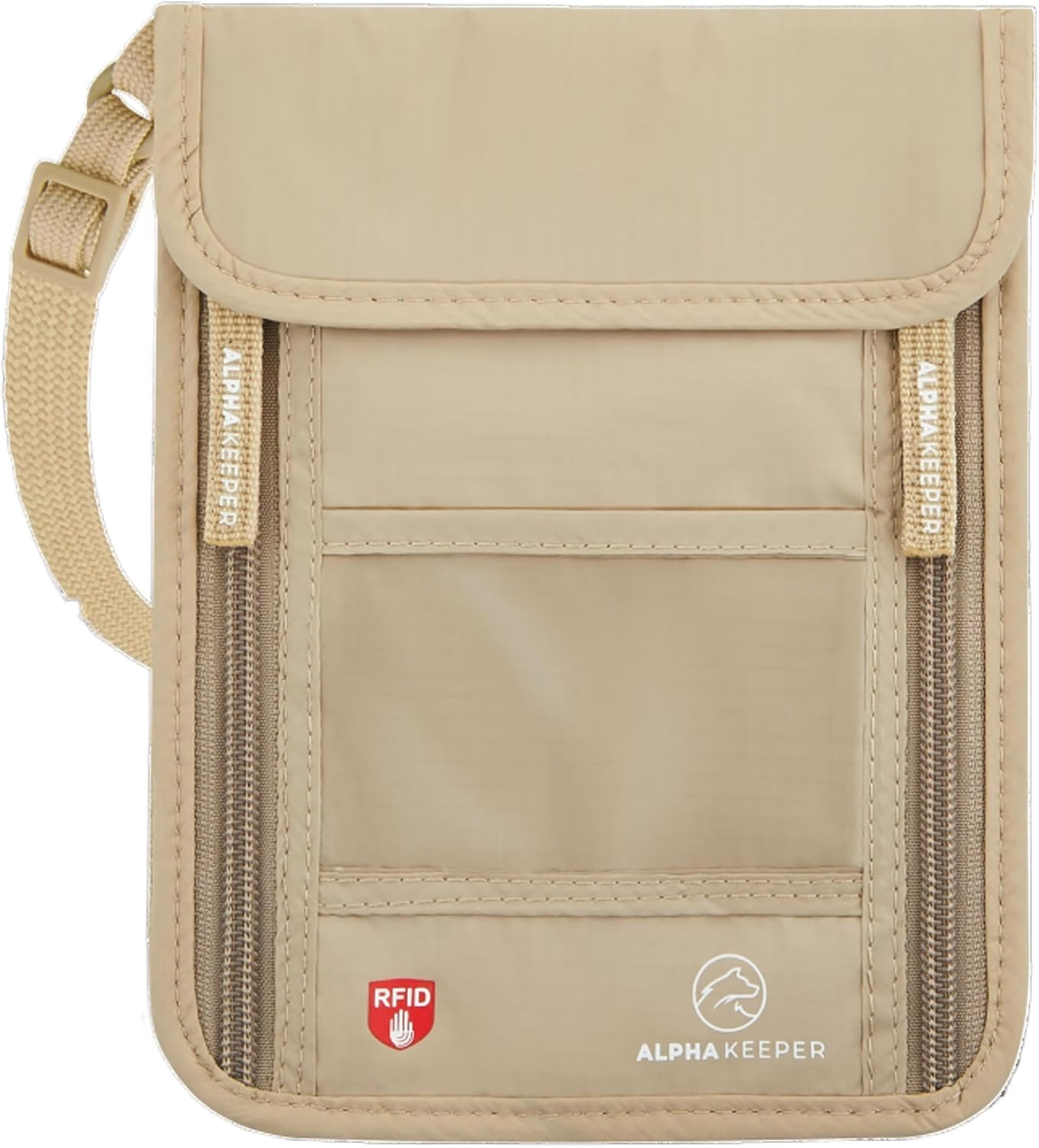
A game drive is arguably the most vulnerable moment of your Kenya trip — you're focused on a pride of lions 40 meters away, your camera is out, your guide is narrating, and your bag is sitting unzipped on the seat beside you. Rule one: nothing valuable leaves your body. A slim RFID-blocking neck wallet worn under your safari shirt means your passport, emergency Kenyan shillings, and primary credit card stay on your torso whether you're in the vehicle, stepping out at a designated viewpoint, or crossing into the Mara conservancy from Tanzania. The best neck wallets for safari have a breathable, sweat-resistant backing — critical when midday temperatures in Amboseli or the Masai Mara regularly hit 32–35°C. Keep your camera bag and day pack zipped, but treat them as decoys: only your body-worn security carries anything you can't replace.
Nairobi City Stay: The Three Danger Windows Every Traveler Faces
Window one is arrival — JKIA's taxi rank and the expressway tuk-tuk corridor into the CBD are prime targets for distraction theft, especially when you're jet-lagged and wrestling luggage. Window two is the city market and Maasai market visits, where crowds are dense, vendors are enthusiastic, and a skilled pickpocket can clear a back pocket in under two seconds. Window three is ATM withdrawal — Kenyan shillings are essential because many lodges, markets, and national park gates still operate cash-only or charge a 3–5% card surcharge; withdrawing in public exposes both your cash and your card. The defense is layered: RFID-blocking card sleeves inside your travel wallet for everyday cards, and a money belt worn flat against your abdomen for your backup cash reserve and second card. Splitting your currency — some shillings in a front pocket for quick transactions, the bulk under your clothes — is the single most effective tactic seasoned East Africa travelers use.
RFID Threats in Kenya: Real Risk or Overhyped?
Here's an honest take: RFID skimming is not the number-one threat in Kenya — physical theft is. But that doesn't mean electronic protection is useless; it means you need both. Contactless Visa and Mastercard cards are now standard issue from most Western and Gulf banks, and Nairobi's middle-class shopping zones have near-universal tap-to-pay terminals, which means the card infrastructure for skimming absolutely exists. The practical solution is not paranoia — it's RFID-blocking card sleeves that add zero bulk and zero friction: you slide your card out to pay, the sleeve stays in your wallet. The MultiColor RFID Sleeve Set and the Fiber RFID Sleeve Set are both excellent for this: lightweight, color-coded so you instantly know which card you're grabbing, and they block 13.56 MHz NFC signals used by every modern contactless card. Color-coding matters more than you'd think when you're fumbling at a busy Nairobi market stall.
The Honest Comparison: Neck Wallet vs. Money Belt for Kenya Safari
Both work. The question is which threat you're prioritizing at any given moment. A money belt — worn flat inside your waistband — is virtually undetectable under safari trousers or a lightweight linen shirt; it's the gold standard for Nairobi street security because even if someone physically bumps you, they feel nothing. A neck wallet sits against your chest under your shirt and is better for game drives and lodge check-ins because you can access it discreetly without unbuckling a belt — useful when a ranger asks for your park entry permit at the gate. The smart Kenya traveler uses both: a money belt as the primary vault for the bulk of cash and the backup card, and a neck wallet for the documents and cards you access a few times daily. The Black RFID Travel Money Belt is the slimmest and most heat-stable option for equatorial temperatures, while the Dark Grey RFID Neck Wallet in breathable ripstop sits flat enough to be invisible under a lightweight safari shirt.
Practical Kenya Money Setup: Exactly What to Carry Where
Here is the field-tested split that experienced Kenya safari travelers use in 2026: money belt (worn under clothing) holds your passport, 50–60% of your Kenyan shilling reserve, and one emergency credit card; neck wallet holds your park permits, a second card, and 2,000–3,000 KES in accessible shillings; front trouser pocket holds only the cash for today's spending — ideally in a slim front-pocket wallet or loose, never in a back pocket. At the lodge, use the in-room safe for your second passport copy and any excess currency. At game drive viewpoints, leave nothing in the vehicle you'd grieve losing. This setup means even a worst-case scenario — bag snatched, vehicle broken into — leaves your travel documents and primary finances intact on your body. The Beige RFID Neck Wallet is worth calling out here because it includes two luggage tags, making it genuinely useful from the airport gate all the way into the Mara.
Frequently Asked Questions
Is RFID skimming a real threat on a Kenya safari?
Yes, but it's secondary to physical theft. RFID/NFC skimming is documented at Nairobi's upscale shopping malls and hotel lobbies. RFID-blocking card sleeves add zero bulk and zero cost to your daily routine, making them a sensible baseline — but also carry a money belt and neck wallet for physical pickpocket protection, which is the bigger risk in Kenyan cities and border crossings.
Should I use a neck wallet or money belt on a Kenya game drive?
Use both if possible: a money belt as a secure vault for most of your cash and a backup card, and a neck wallet for park permits and cards you access a few times per day. A neck wallet is easier to access discreetly at park gates and checkpoints; a money belt is more invisible under clothing in urban Nairobi. Together they cover every scenario a Kenya safari throws at you.
How much Kenyan shilling cash should I carry, and how do I keep it safe?
Budget roughly 5,000–15,000 KES per day for markets, tips, and small purchases, depending on your itinerary. Withdraw from reputable bank ATMs inside shopping malls rather than street-facing machines. Split your cash: keep daily spending money (2,000–3,000 KES) in a front pocket, and lock the rest in an RFID money belt worn under your clothing. Never carry your full cash reserve loose in a bag.
Ready to upgrade?
Before your flight to Nairobi boards, set up the system that actually works: grab the Black RFID Travel Money Belt for flat, invisible under-clothing security and pair it with a Dark Grey RFID Neck Wallet for quick-access documents — both available now at alpha-keeper.com.