One in eight international tourists is pickpocketed — and in hotspots like Barcelona, Rome, and Bangkok, that number climbs even higher. The difference between a ruined trip and a smooth one often comes down to a single $20–$40 decision made before you leave home.
The best travel wallets combine RFID-blocking technology, hidden or body-worn carry, and slim low-profile designs. Top picks include hidden neck wallets, underclothing money belts, and RFID card sleeve sets. For 2026, prioritize wallets that block 13.56 MHz signals, use ripstop or woven fabric, and fit a passport plus four cards.
Why Your Everyday Wallet Is a Liability Abroad
A standard bifold wallet sitting in your back pocket is essentially an invitation in crowded metro stations, markets, and tourist queues. Modern contactless card skimmers can steal card data from up to 4 inches away without you feeling a thing — no bump, no brush, no warning. RFID-enabled passports issued after 2007 carry a chip that broadcasts your personal data until it's shielded. The fix isn't paranoia; it's a purpose-built travel wallet that makes you an unattractive target before a thief even tries. Swapping out your wallet before a trip abroad is one of the cheapest, highest-ROI moves in travel security.
RFID Sleeve Sets: The Lightest-Weight Protection You'll Actually Use
If you refuse to change your wallet entirely — fair enough — RFID card sleeves are the lowest-friction upgrade available. Slide your credit cards and passport into individual sleeves and they're shielded from electronic skimming instantly; no new habits required. The Fiber RFID Sleeve Set from Alpha Keeper uses a woven metallic fiber construction that blocks 13.56 MHz signals (the frequency used by contactless Visa, Mastercard, and RFID passports) while staying thin enough that cards still slide into existing wallet slots. For travelers who want color-coded organization, the MultiColor RFID Sleeve Set lets you assign a color per card category — bank, ID, loyalty — so you never fumble at a checkout abroad. These sleeve sets typically weigh under 30 grams and cost less than a single meal in most European cities.
Neck Wallets: The Hidden Carry Option That Beats Pickpockets at Their Own Game
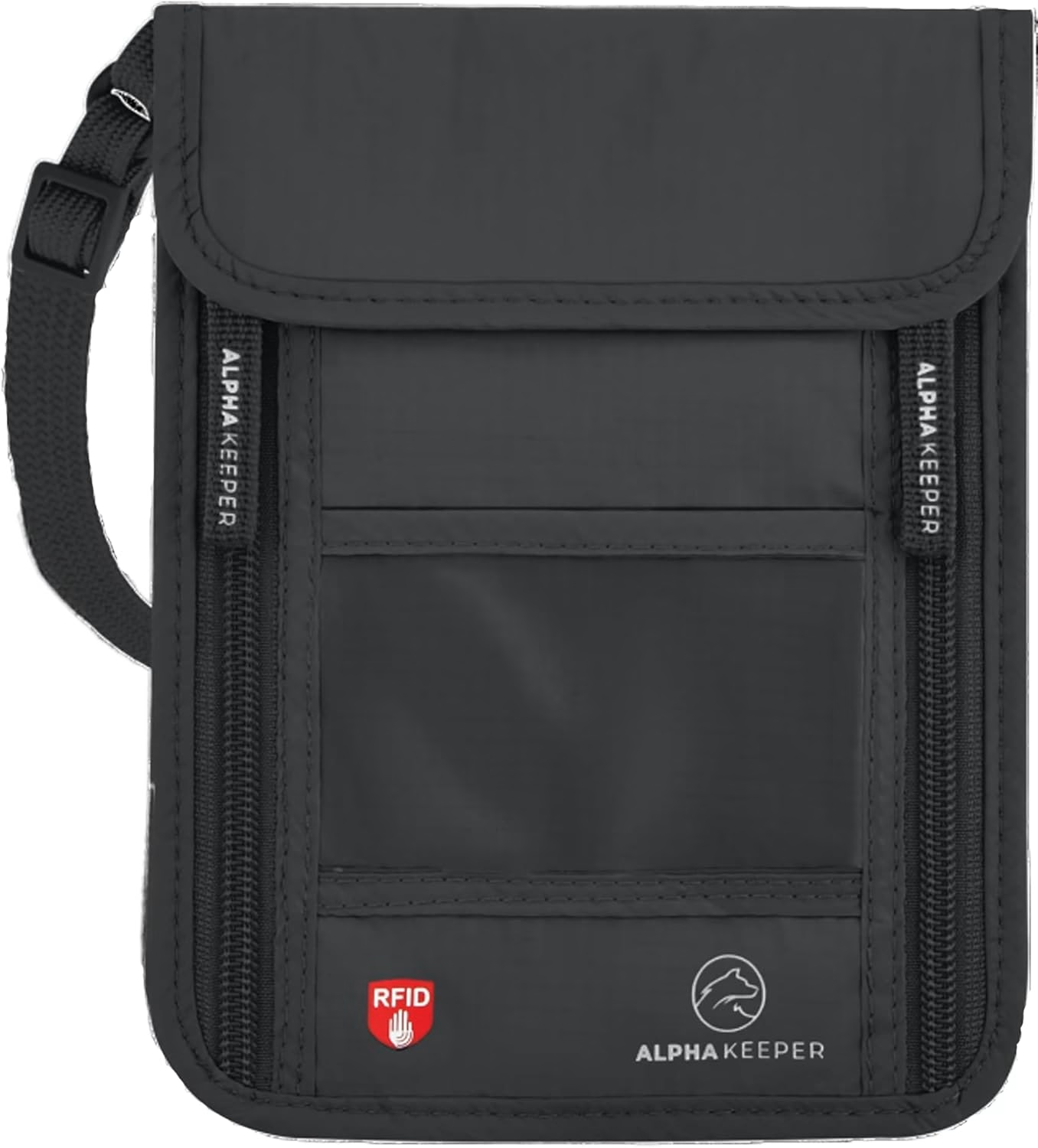
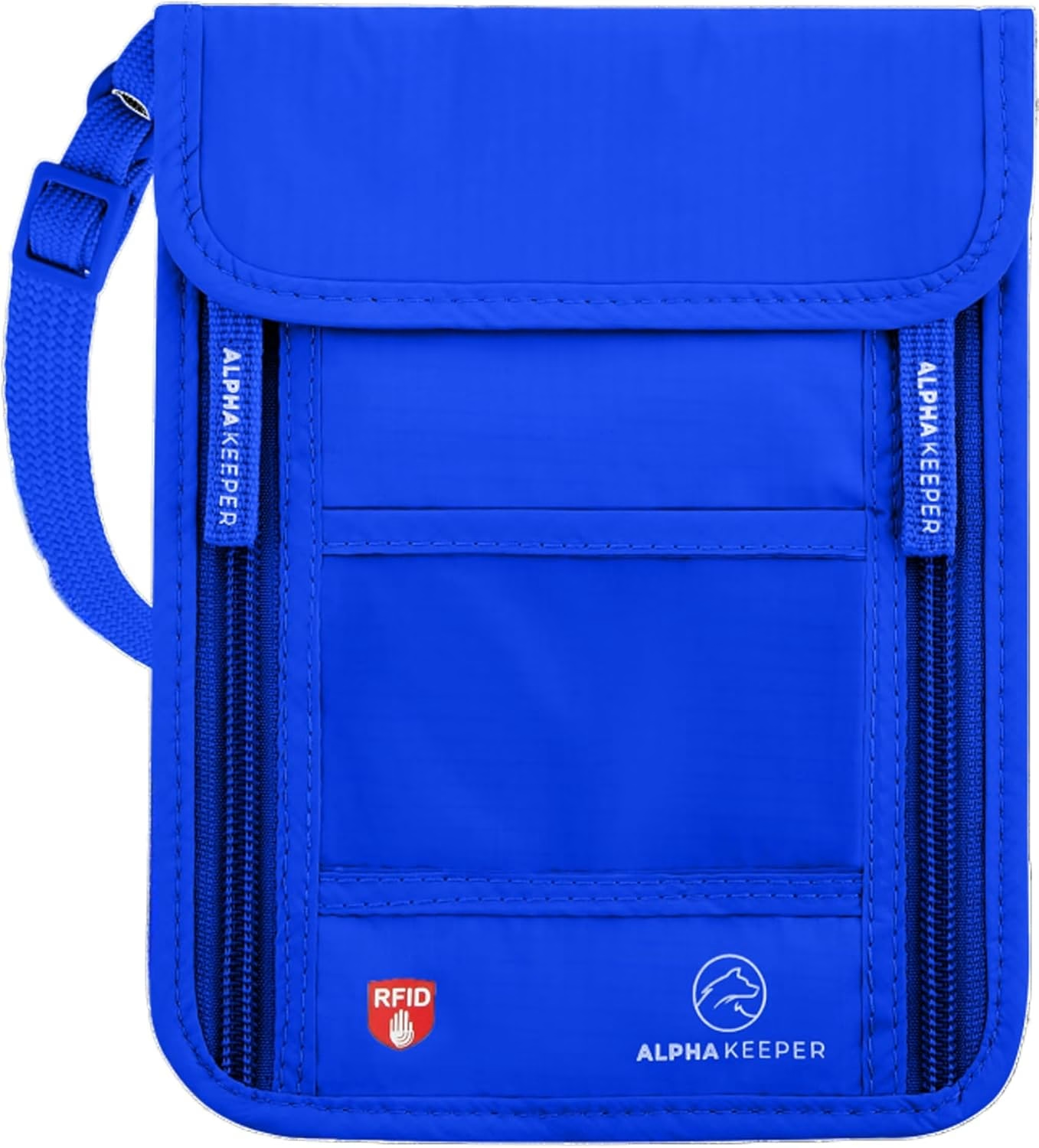
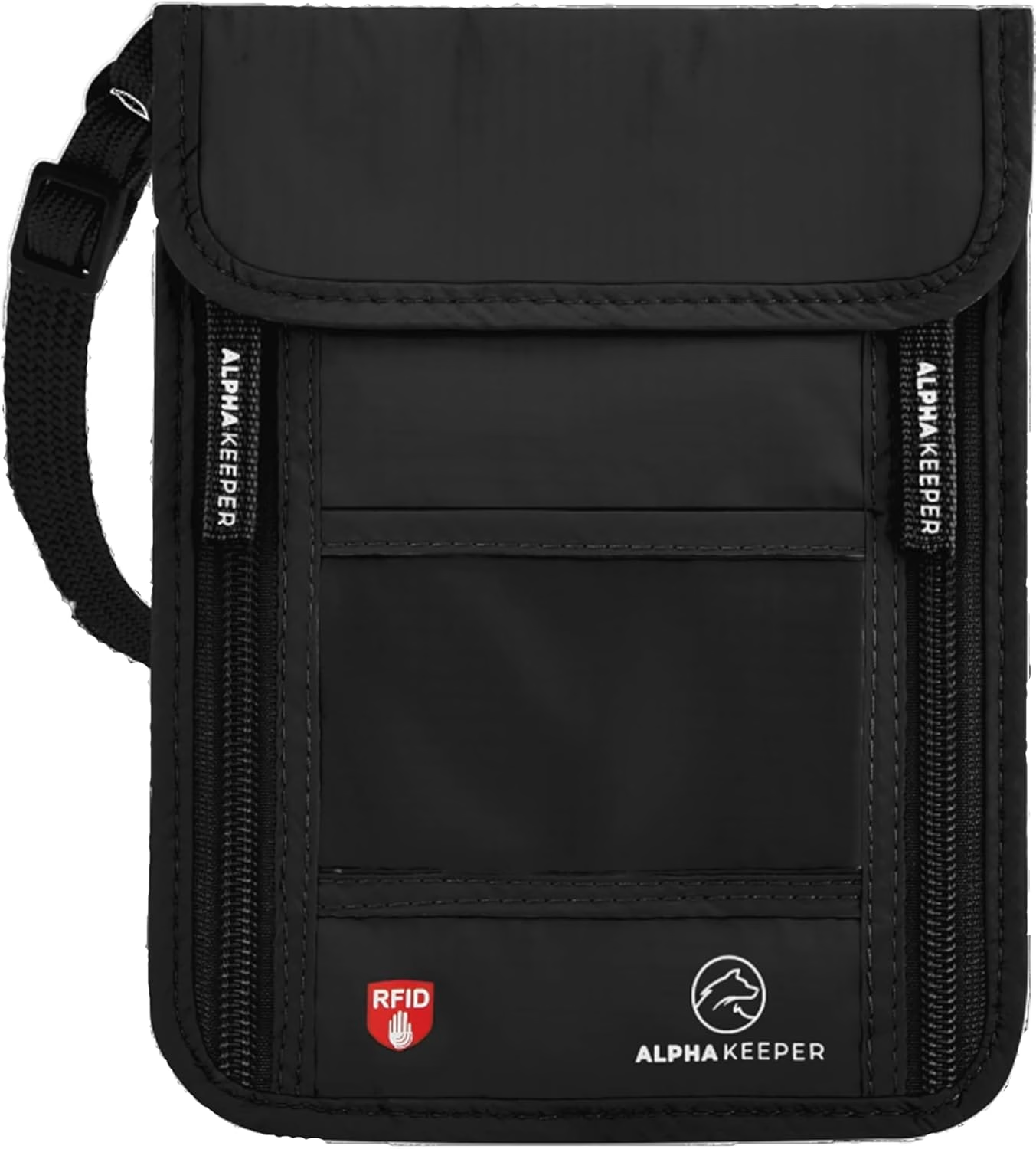
A neck wallet sits flat against your chest under your shirt, completely invisible to the casual observer and physically inaccessible without you noticing. Alpha Keeper's Dark Grey RFID Neck Wallet and Black RFID Neck Wallet are built from lightweight ripstop nylon with an RFID-blocking inner liner, and they're sized to fit a full passport, folded local currency, and three to four cards — everything you need for a day out. The adjustable breakaway cord is a key safety detail: it snaps under force rather than cutting into your neck if someone grabs it, which is the right priority. For travelers who log serious walking miles, the Azure RFID Neck Wallet adds a water-resistant exterior coating that shrugs off light rain and sweat without adding bulk. Neck wallets do require a brief retrieval moment at payment, but that minor inconvenience is a small trade for never losing your passport to a stranger's hands.
Money Belts: The Deepest Concealment for Long Hauls and High-Risk Destinations
Money belts worn under the waistband — not over clothing like a fanny pack — represent the gold standard of concealment because they're genuinely invisible even in a pat-down scenario. The Black RFID Travel Money Belt from Alpha Keeper is a flat, slim pouch designed to sit against your lower abdomen under pants or a skirt; it holds a passport, emergency cash, and backup cards without creating a visible bulge. The Beige RFID Money Belt is a smart choice for lighter summer travel clothing where dark-colored pouches might show through thin fabric. For longer overland trips or destinations like Bogotá, Nairobi, or Marseille where pickpocket risk is elevated, the Brown RFID Money Belt in a neutral tone blends against skin tones and light linen. The trade-off versus a neck wallet is access speed — you'll want a separate day wallet for small purchases — but your passport and emergency funds stay untouchable all day.
Honest Comparison: Alpha Keeper Money Belt vs. Generic Travel Belt Pouches
Generic travel belt pouches sold on mass-market sites typically advertise RFID blocking but use thin aluminum foil laminate that degrades after repeated washing and folding — you often can't verify the shielding is still working. Alpha Keeper's RFID money belts use a consistent metallic woven liner that maintains signal-blocking integrity wash after wash, and the brand publishes the specific frequency range it blocks (13.56 MHz) rather than vague marketing copy. The zippers on generic options frequently catch on the pouch fabric within a few trips; Alpha Keeper belts use smooth YKK-style zipper tape. At $20–$35 versus $8–$12 for a budget option, you're paying roughly $15 more for hardware that will still work reliably on trip 20, not just trip two. That's the honest trade-off: spend a little more once, or gamble on unverified shielding every single time you travel.
How to Pick the Right Travel Wallet for Your Trip Style
The best travel wallet isn't universal — it depends on your destination, clothing, and how often you need to access documents. City-hopping in Europe or Southeast Asia? A neck wallet like the Blue RFID Neck Wallet or Silver RFID Neck Wallet covers daily needs and doubles as a passport holder at border crossings. Adventure travel, long bus routes, or destinations with elevated street crime? Pair a money belt (the Azure RFID Money Belt works great for humid climates) with a cheap sacrificial day wallet carrying only spending cash. Cruise or resort travel where you're mostly on controlled property? An RFID sleeve set like the Colorful RFID Sleeve Set or Retro RFID Sleeve Set tucked into a resort bag is light and sufficient. The wrong move is bringing nothing and trusting your back pocket — that's the only option that consistently fails.
Frequently Asked Questions
Do I really need an RFID-blocking travel wallet, or is the threat overstated?
Electronic skimming of contactless cards and RFID passports is a documented, low-effort theft method in crowded transit hubs and tourist areas. While not every traveler will be targeted, RFID-blocking wallets and sleeves cost under $35 and eliminate the risk entirely — the math strongly favors carrying one.
What's the difference between a travel neck wallet and a money belt?
A neck wallet hangs from a cord under your shirt and is faster to access — good for passports and cards you need at check-ins. A money belt sits flat against your lower abdomen under your waistband and offers deeper concealment, making it better for emergency cash and backup documents on high-risk routes.
Can I go through airport security with an RFID-blocking wallet?
Yes. RFID-blocking wallets and belts contain no electronics and set off no alarms. They block passive radio signals, not metal detectors. You may need to remove a money belt for the scanner tray, just as you would a regular belt, depending on the airport's screening level.
Ready to upgrade?
Ready to travel without the anxiety? Grab the Black RFID Travel Money Belt — Alpha Keeper's most popular hidden carry option — and pair it with the Fiber RFID Sleeve Set for complete card and passport protection before your next trip.