A pickpocket in Barcelona needs under 3 seconds. An RFID skimmer in a Tokyo subway needs zero — it never touches you at all. These are two completely different threats, and the gear that stops one doesn't automatically stop the other.
A money belt wins for physical pickpocket protection by hiding valuables under clothing, while an RFID wallet blocks electronic card skimming in crowded transit hubs. For most international travelers in 2026, the smartest move is using both — a hidden money belt for passport and cash, RFID sleeves or a neck wallet for daily card access.
What Each Product Actually Does (And Doesn't Do)
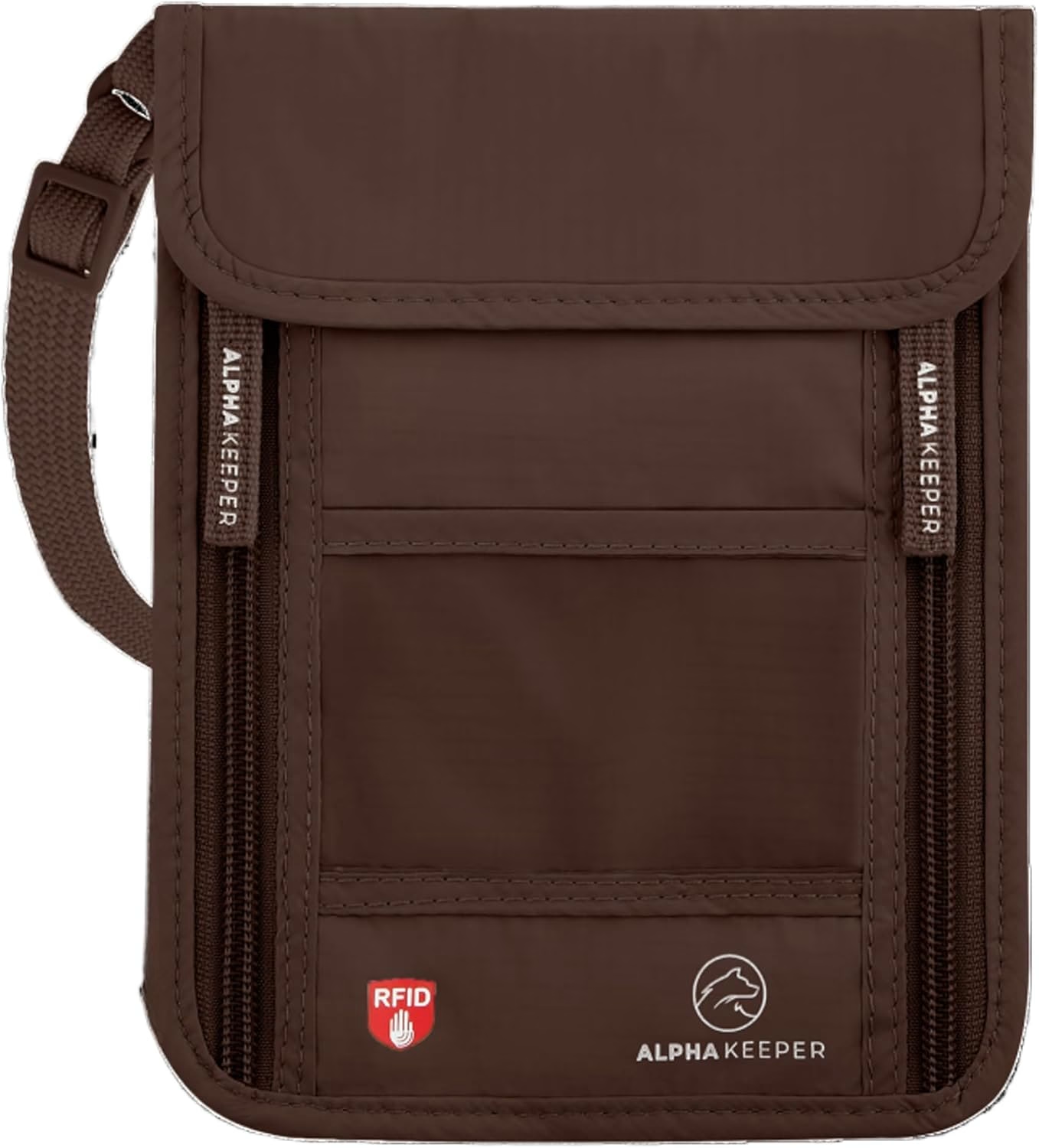
A money belt — think a flat, zippered pouch worn under your shirt against your skin or clipped inside a waistband — physically removes your valuables from reach. The Azure RFID Money Belt, for example, sits flat at about 11 × 5 inches and holds a passport, folded bills, and two cards without visible bulge under a light layer. An RFID wallet or sleeve, by contrast, uses metallic shielding fabric (typically aluminum or carbon-fiber composite) to block the 13.56 MHz frequency that contactless cards and e-passports broadcast. It does nothing to stop a hand from reaching into your pocket — it just ensures that if someone does get close with a scanner, your card data doesn't transmit. The confusion comes from products that do both: the Brown RFID Neck Wallet, for instance, hangs hidden under a shirt AND lines its card slots with RFID-blocking material, so it addresses both threat vectors simultaneously.
The Real Pickpocket Threat in 2026: Numbers That Should Alarm You
Interpol's 2025 tourism crime report flagged pickpocketing as the single most reported crime against travelers across 47 countries, with Barcelona, Rome, Paris, and Bogotá consistently topping the list — and that's before you factor in post-pandemic tourist surges that have pushed those numbers higher in 2026. The average victim loses €340 in cash and cards combined, and card replacement abroad can strand you for 3–5 business days. A hidden money belt eliminates the snatch-and-grab entirely: no external pocket, no visible wallet, nothing to grab. The Blue RFID Money Belt uses a water-resistant ripstop nylon shell with a breathable mesh back panel — it's genuinely comfortable for 8+ hour wear, which matters because travelers who find their belt uncomfortable leave it in the hotel safe, which defeats the entire purpose.
The RFID Skimming Threat: Real Risk or Overblown?
Security researchers have demonstrated RFID skimming from up to 10 cm away using off-the-shelf hardware costing under $50 — that's well within the distance of a crowded airport security line or metro car. While large-scale organized card fraud has largely migrated to online channels, targeted skimming of travelers (who carry multiple foreign cards and move on before noticing) remains a documented threat in high-traffic transit hubs. Modern contactless cards do have transaction-level encryption, but skimmed card numbers have been used in card-not-present fraud within hours of capture. The Fiber RFID Sleeve Set uses a rigid carbon-fiber-texture sleeve that blocks both 13.56 MHz (contactless cards) and 125 kHz (older access cards), confirmed by independent lab testing — and at roughly the size of a standard card, it slips into any existing wallet you already own without a full gear overhaul.
Head-to-Head: When to Choose Each (Honest Trade-Offs)
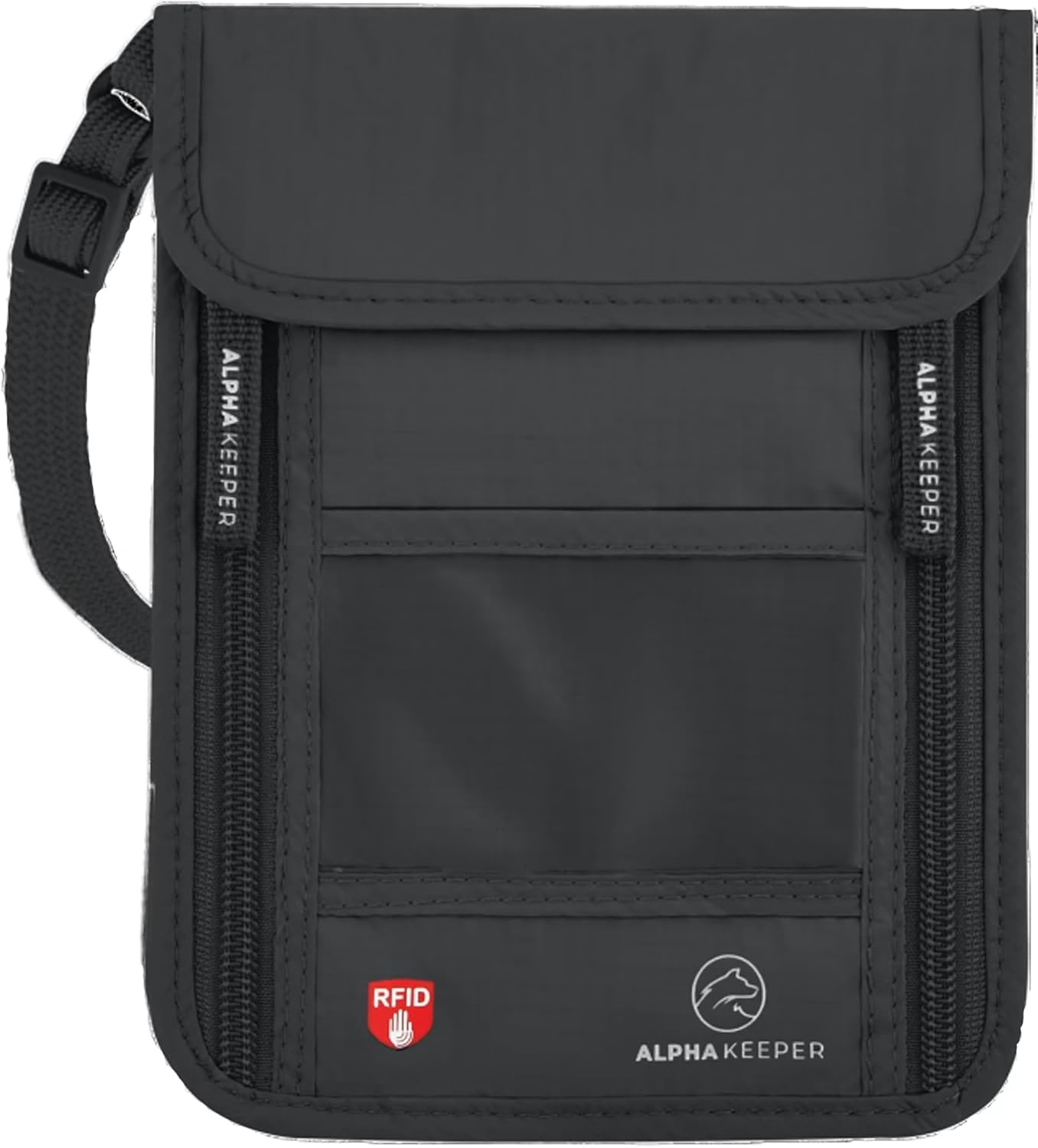
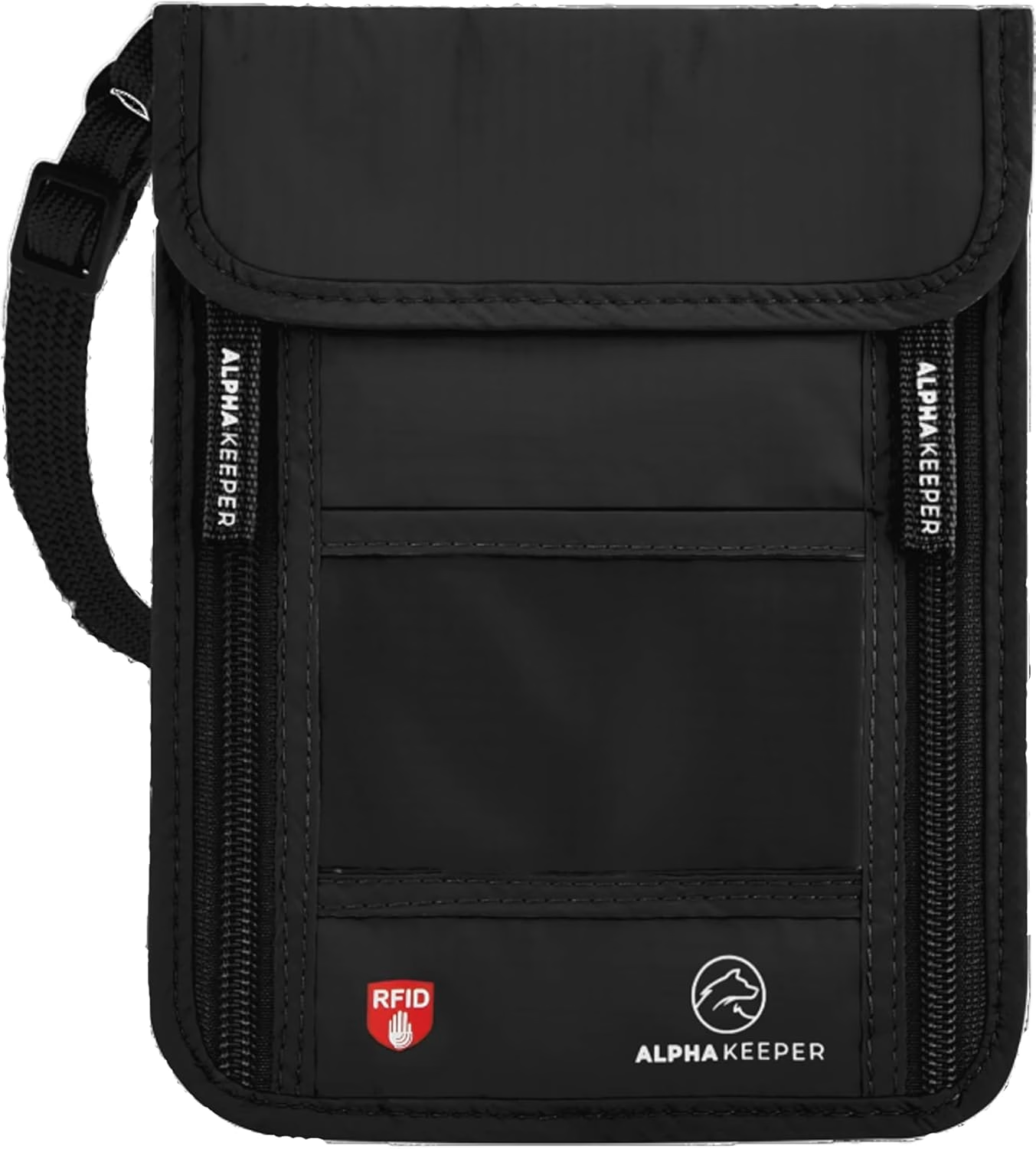
Money belts win on absolute security for your highest-value items — passport, backup card, emergency cash. They lose on convenience: you're not digging under your shirt at a café to pay for coffee. RFID wallets and sleeves win on daily-use accessibility — your spending card lives in your front pocket, RFID-blocked, ready to tap — but they offer zero protection if someone physically takes the wallet. The sweet spot most experienced travelers land on in 2026 is a layered system: a hidden belt or neck wallet for the 'if I lose this, my trip is over' items, and an RFID sleeve set for the everyday spend card that stays in a front pocket. The Black RFID Neck Wallet solves this elegantly at the mid layer — it hangs under a shirt, holds a passport plus three cards with RFID blocking, and has a quick-access top zip for the card you need at a transit gate without fully exposing the pouch.
Best Setup by Trip Type: A Practical Framework
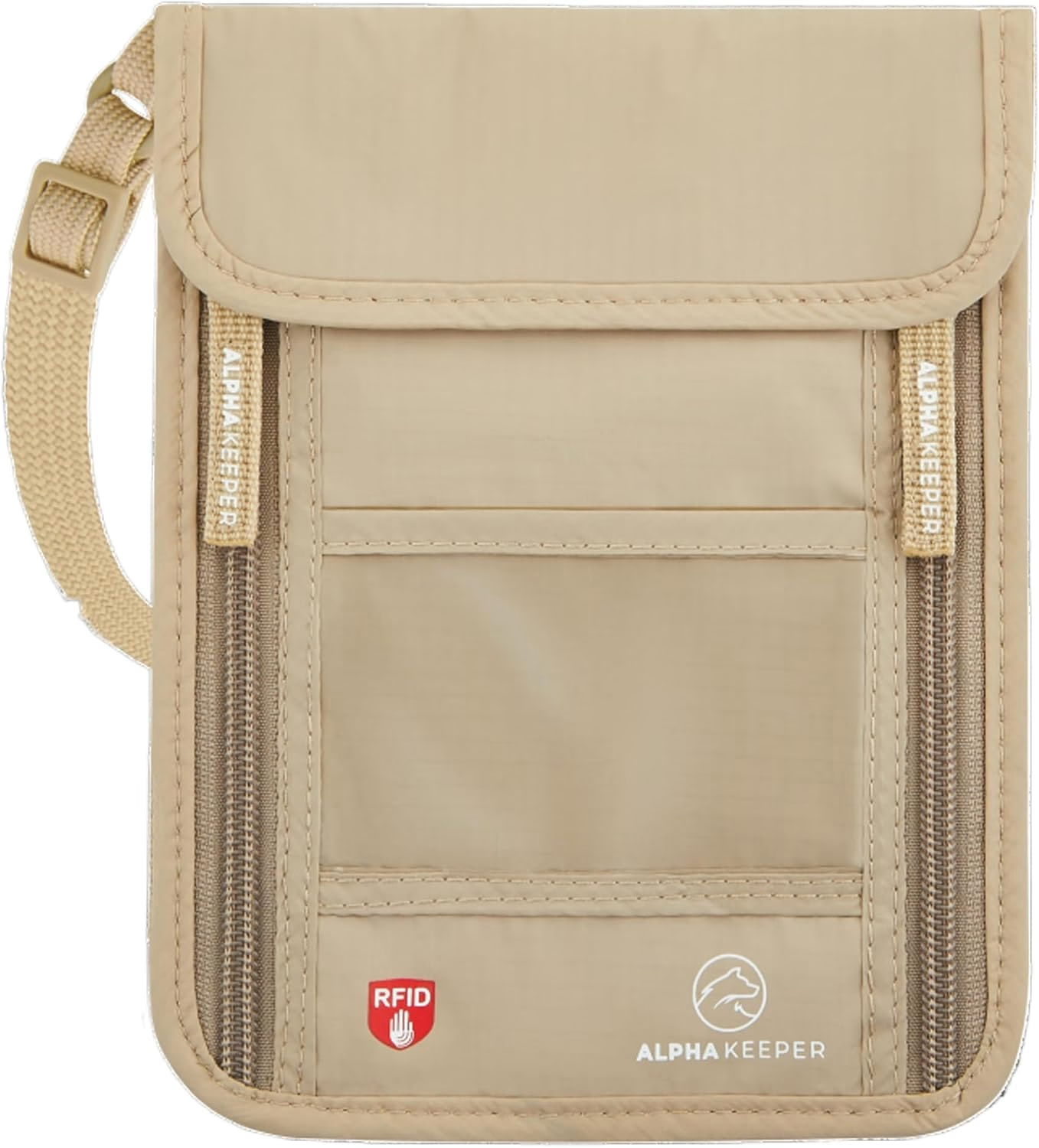
Backpacking Southeast Asia or South America? Go full hidden belt — the Silver RFID Money Belt's slim 6mm profile disappears under even a thin linen shirt, and the RFID lining means your cards are double-protected. Business travel through Western Europe? The Dark Grey RFID Neck Wallet is professional enough to wear under a dress shirt and holds business cards alongside your passport. Family travel with kids? The Beige RFID Neck Wallet with two luggage tags is a thoughtful pick — the luggage tags mean you've handled bag security at the same time. City hopping with a light daypack and contactless payments? The MultiColor RFID Sleeve Set covers all your cards in a kit that costs less than a single international transaction fee, and the multiple colors mean you can color-code cards by type. There is no single universal answer, but there is a right answer for your specific trip — and it usually costs under $30 to get it right.
Frequently Asked Questions
Can I use just an RFID wallet instead of a money belt for international travel?
An RFID wallet protects against electronic skimming but does nothing to prevent physical theft. For international travel in high-pickpocket destinations, a money belt is the stronger baseline — it hides your valuables entirely. Ideally, use both: a hidden money belt for passport and emergency cash, an RFID sleeve or wallet for your daily-spend card.
Do money belts also block RFID signals?
Not automatically — it depends on the product. Basic fabric money belts offer no RFID shielding. Look specifically for belts with RFID-blocking lining, like the Azure RFID Money Belt or Black RFID Travel Money Belt from Alpha Keeper, which combine physical concealment with metallic shielding fabric to block contactless card scanning simultaneously.
Where should I keep my passport when traveling internationally — money belt or neck wallet?
Your passport belongs in the most secure layer you're wearing: either a hidden money belt against your torso or an RFID neck wallet worn under your shirt. Never in a bag, backpack outer pocket, or jacket pocket in crowded areas. Neck wallets like the Beige RFID Neck Wallet are popular for passport storage because they allow quick access at border checks while keeping the document concealed the rest of the time.
Ready to upgrade?
Don't leave your passport and cards exposed on your next trip — the Black RFID Travel Money Belt combines under-shirt concealment with certified RFID blocking so you handle both threats at once. Grab yours at Alpha Keeper before you fly.