One in three tourists who report theft in Malaysia never even felt it happen — the money was gone before they reached the next street corner. KL's Bukit Bintang, Penang's UNESCO heritage lanes, and Langkawi's beach bars are stunning, but they're also hunting grounds for opportunistic thieves who have made a science of the distraction-and-grab.
Malaysia is a moderate-risk destination for theft: pickpocketing peaks in KL's tourist corridors, bag-snatching is the leading crime against visitors in Penang, and beach theft is rife in Langkawi. Carrying valuables in an RFID-blocking money belt or hidden neck wallet worn under clothing is the single most effective protection strategy for 2026 travelers.
How Risky Is Malaysia for Travelers — And Where Does Theft Actually Happen?
Malaysia sits in the middle of the global tourist-theft spectrum — safer than Barcelona or Rome for aggressive scams, but riskier than Japan or Singapore for opportunistic street crime. Royal Malaysia Police data shows bag-snatching remains the top crime against tourists, with Penang's George Town and KL's Chow Kit and Bukit Bintang districts accounting for the largest share of incidents. Motorbike snatch-theft is the signature danger: a rider pulls alongside, grabs a shoulder bag or phone, and is gone in under three seconds. In Langkawi, the risk shifts to unattended belongings on beaches and in open-air beach bars, where a moment in the water is all a thief needs. The bottom line: the threat in Malaysia is real but almost entirely preventable by changing where you carry valuables, not by staying home.
RFID Skimming in Malaysia: Real Threat or Traveler Paranoia?
Malaysia rolled out contactless MyKad IDs years ago and contactless Visa/Mastercard is accepted everywhere from KLCC's Suria mall to Langkawi duty-free shops — which means RFID-enabled cards and passports are the norm, not the exception. Documented RFID skimming attacks in Malaysia are still rare compared to Europe, but the infrastructure for it (dense crowds, NFC-enabled payment terminals everywhere, a booming tech scene) means the risk is growing, not shrinking. A passive RFID skimmer costs under USD $50 online in 2026 and can read an unprotected card from 10 cm away in a crowded LRT carriage or night market queue. Slipping your cards into a dedicated RFID sleeve — such as the Fiber RFID Sleeve Set or the Colorful RFID Sleeve Set — costs almost nothing and eliminates that entire attack vector permanently. Think of it as a seatbelt: you don't need it until you really need it.
Kuala Lumpur: The Specific Hotspots and How to Navigate Them Safely
Bukit Bintang is KL's tourist heartbeat and its highest-density pickpocket zone — the crowds around Jalan Alor night market and the Pavilion KL entrance are exactly the chaos thieves exploit. The Masjid Jamek LRT interchange, Petaling Street (Chinatown), and the KLCC park at night are three other flagged locations in 2026 Royal Malaysia Police advisories. The classic KL scam in 2026 involves a 'friendly local' creating a distraction — dropping something, asking for directions, offering a selfie — while an accomplice works your bag or back pocket. Counter-tactic: wear your Azure RFID Money Belt flat against your abdomen under your shirt so there is literally nothing on your exterior worth grabbing. Keep only a day's worth of ringgit (RM 50–150, roughly USD 11–33) in an accessible pocket for street food and tuk-tuks — lose that, and you've lost almost nothing.
Penang: George Town's UNESCO Lanes and the Snatch-Theft Belt
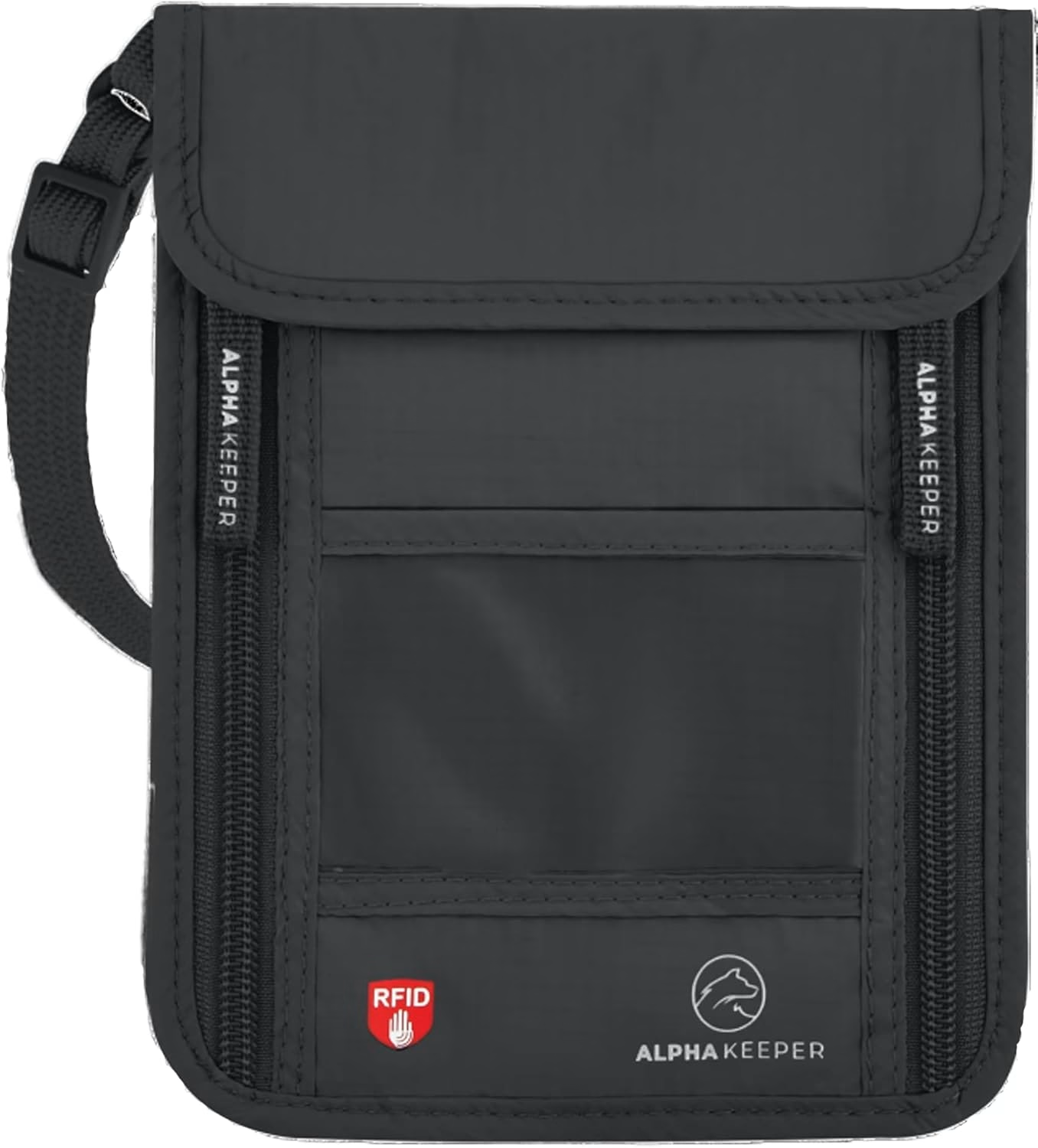
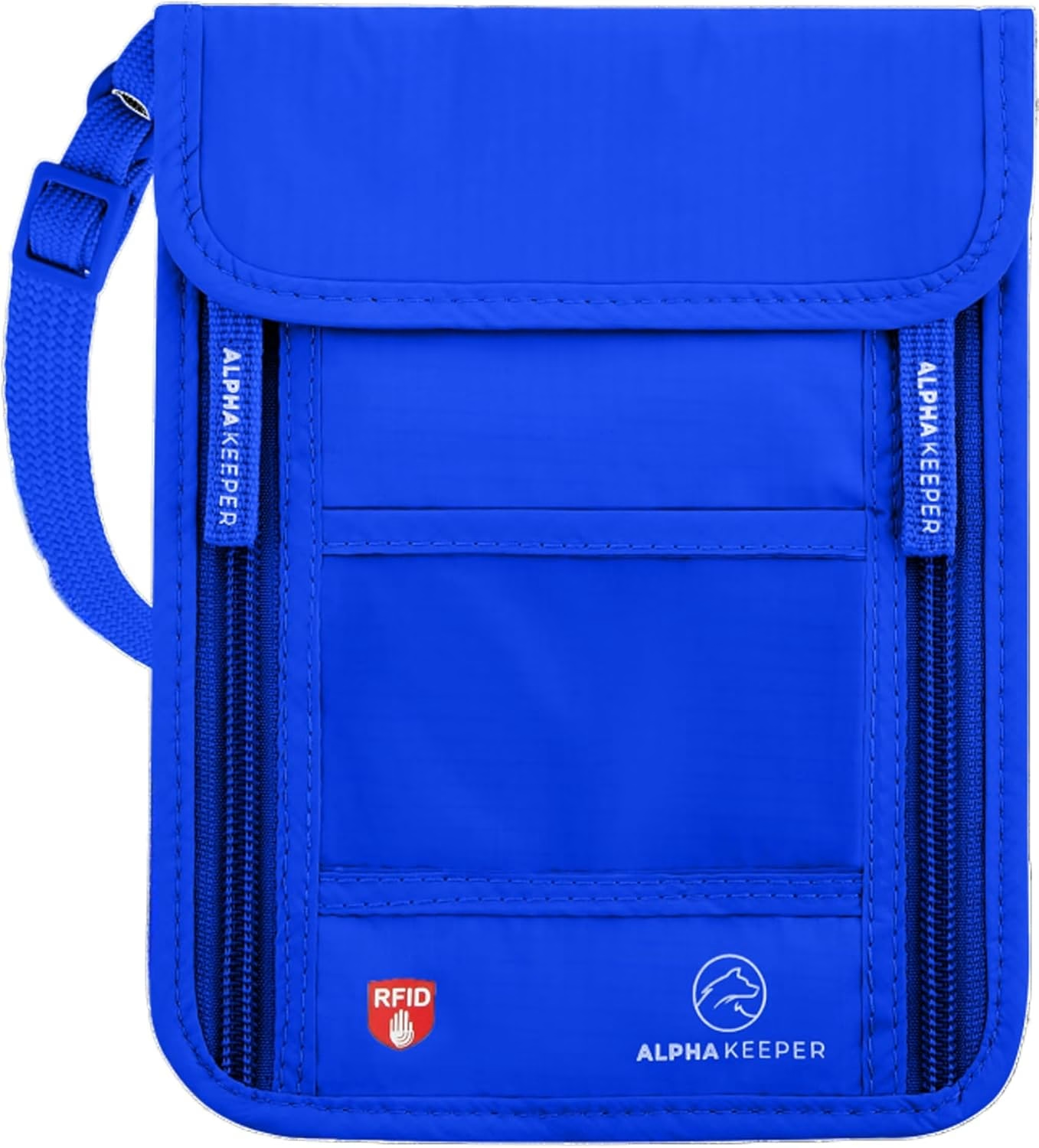
George Town is one of Southeast Asia's most walkable cities and, in the same breath, Malaysia's snatch-theft capital for tourists. The narrow heritage lanes between Armenian Street and Chulia Street are beautiful and genuinely worth your time — but they're also exactly where motorbikes can appear without warning. The Royal Malaysia Police George Town district recorded a 12% rise in snatch-theft cases involving tourists in the first quarter of 2026, with shoulder bags and crossbody bags the primary target. The fix is architectural: switch to a Blue RFID Neck Wallet worn under your shirt and a small decoy wallet in your pocket. Your passport, backup credit card, and emergency cash live against your chest; the thief gets RM 30 and a Chatime loyalty card. For day trips to Penang Hill or Kek Lok Si temple, the Dark Grey RFID Neck Wallet is slim enough to be completely invisible under a light linen shirt in 35°C heat.
Langkawi: Beach Theft, Island Hopping and Offshore Cash Realities
Langkawi operates on a duty-free economy, which means cash transactions everywhere from Pantai Cenang's beach bars to the Telaga Harbour Marina — and cash that's sitting in a beach bag is cash that's gone. The island's tourist theft profile is quieter than KL or Penang but deceptively dangerous: thefts happen most often when travelers are in the water, at buffet tables, or engrossed in sunset photos. There are only a handful of reliable ATMs in Pantai Cenang and Kuah town, so running out of ringgit means a wasted hour of your holiday. The smart play: arrive with enough cash distributed across your body — a Beige RFID Money Belt under your swimsuit cover-up carries your larger bills and backup card, while small denominations stay in a waterproof pocket. Never leave cards or passports in a beach bag, a rental scooter compartment, or a resort room safe you haven't tested yourself.
The Honest Gear Comparison: Money Belt vs. Neck Wallet vs. RFID Sleeve
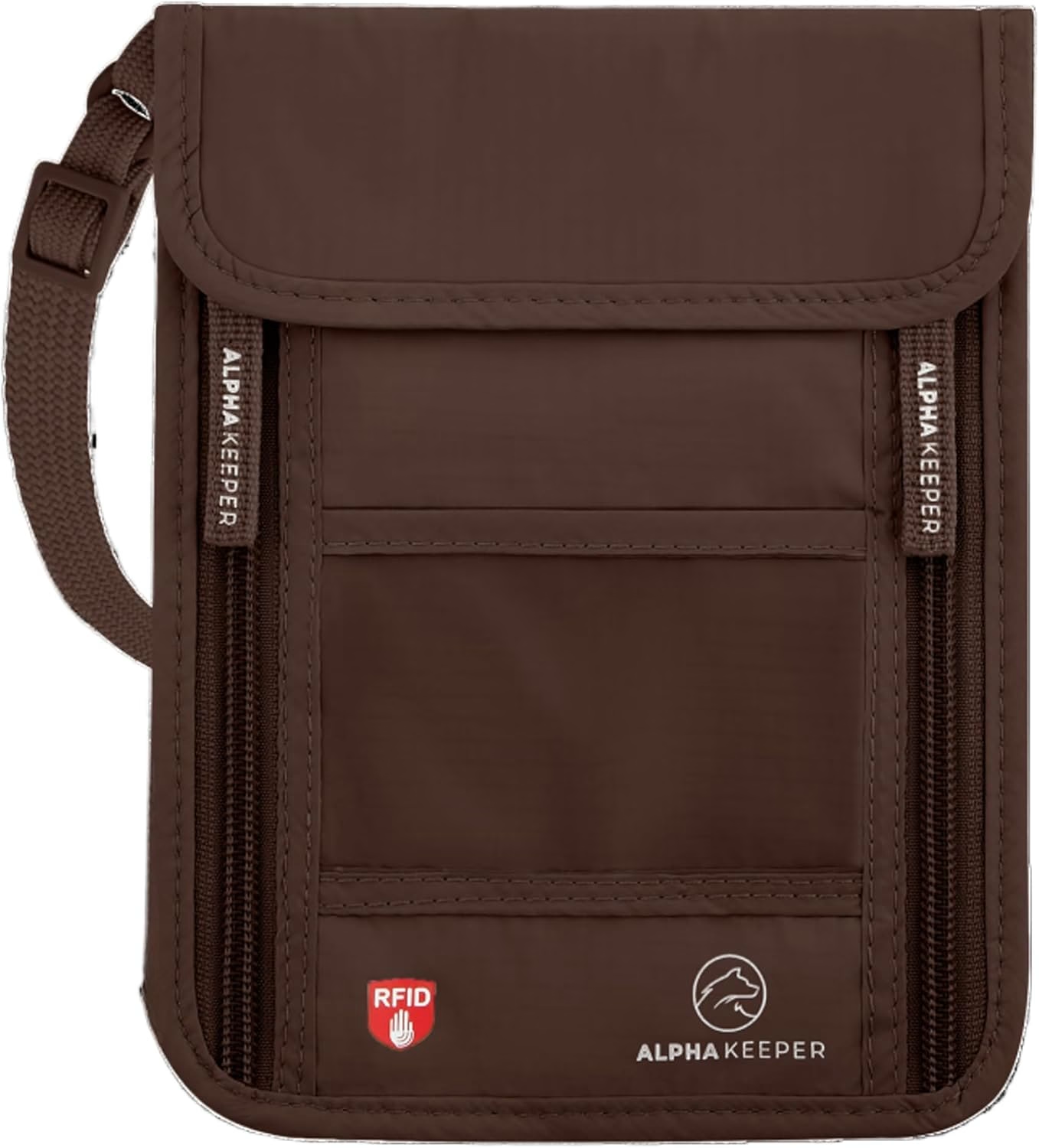
These three solutions aren't interchangeable — each fits a different scenario in Malaysia. A money belt (like the Black RFID Travel Money Belt | Hidden Travel Gear) sits flat under your waistband, invisible to external view, and is best for high-foot-traffic urban days in KL where you're dressed and moving. A neck wallet (like the Brown RFID Neck Wallet) hangs inside your shirt on an adjustable cord and is ideal for Penang's walking tours or any day that involves unpredictable crowds — it's slightly bulkier but holds a passport flat and is completely inaccessible without you knowing. RFID sleeves (the Fiber RFID Sleeve Set or MultiColor RFID Sleeve Set) are the lightest option and fit inside any wallet or bag you already own — they don't protect against physical theft but are the best and cheapest defense against electronic skimming. The honest answer for Malaysia: use an RFID money belt in KL, a neck wallet in Penang, RFID sleeves in everything else, and keep a modest decoy wallet for small transactions everywhere.
Practical Malaysia Money Safety: 7 Rules That Actually Work in 2026
Rule one: carry two cards minimum — one in your hidden travel gear, one locked in your accommodation safe. Rule two: notify your bank before departure; Malaysian ringgit ATM withdrawals still trigger fraud alerts on unregistered cards in 2026, and getting locked out overseas is genuinely miserable. Rule three: the daily ATM withdrawal limit at most Malaysian banks is RM 1,000–3,000 (USD 220–660), so plan your cash needs around that ceiling, especially in cash-heavy Langkawi. Rule four: use GrabPay or Touch 'n Go e-wallet for small transactions in KL and Penang — paying from your phone means your physical cards never leave your body. Rule five: photocopy your passport data page and keep the copy separate from the original; the Malaysian Immigration Department can replace a lost passport faster with a copy on file. Rule six: never put your phone in your back pocket in any of the three cities — it costs more than your wallet and is just as easy to lift. Rule seven: trust the discomfort of wearing a money belt for the first hour; by day two, you won't notice it's there.
Frequently Asked Questions
Is Kuala Lumpur safe for tourists carrying cash in 2026?
KL is relatively safe by Southeast Asian standards but pickpocketing and distraction theft in tourist districts like Bukit Bintang and Chinatown are well-documented. Carry only RM 50–150 in accessible pockets for daily spending, keep backup cash and your passport in an RFID money belt worn under your clothing, and you eliminate almost all financial risk.
Do I really need RFID protection for my cards in Malaysia?
Malaysia's contactless payment infrastructure is dense and growing, and NFC-enabled skimming equipment is cheap and accessible in 2026. While confirmed skimming incidents are still underreported, the cost of protection — a set of RFID sleeves or a blocking wallet — is negligible compared to the cost of a compromised card abroad. Yes, it's worth it.
What's the safest way to carry my passport in Penang and Langkawi?
Carry your passport in a slim RFID neck wallet worn under your shirt, not in a bag, a back pocket, or a crossbody strap that can be snatched. In Langkawi specifically, leave your passport in a hotel safe when spending the day on the beach and carry only a high-quality photocopy plus your travel card.
Ready to upgrade?
Heading to Malaysia? Equip yourself before you land — the Black RFID Travel Money Belt | Hidden Travel Gear sits flat under your waistband and is completely invisible under a t-shirt, making it the smartest single purchase before your KL, Penang, or Langkawi trip.