One in three study abroad students reports a theft or attempted theft within their first month overseas — and most of them were carrying everything in a backpack pocket. The fix costs less than a single lost credit card replacement fee.
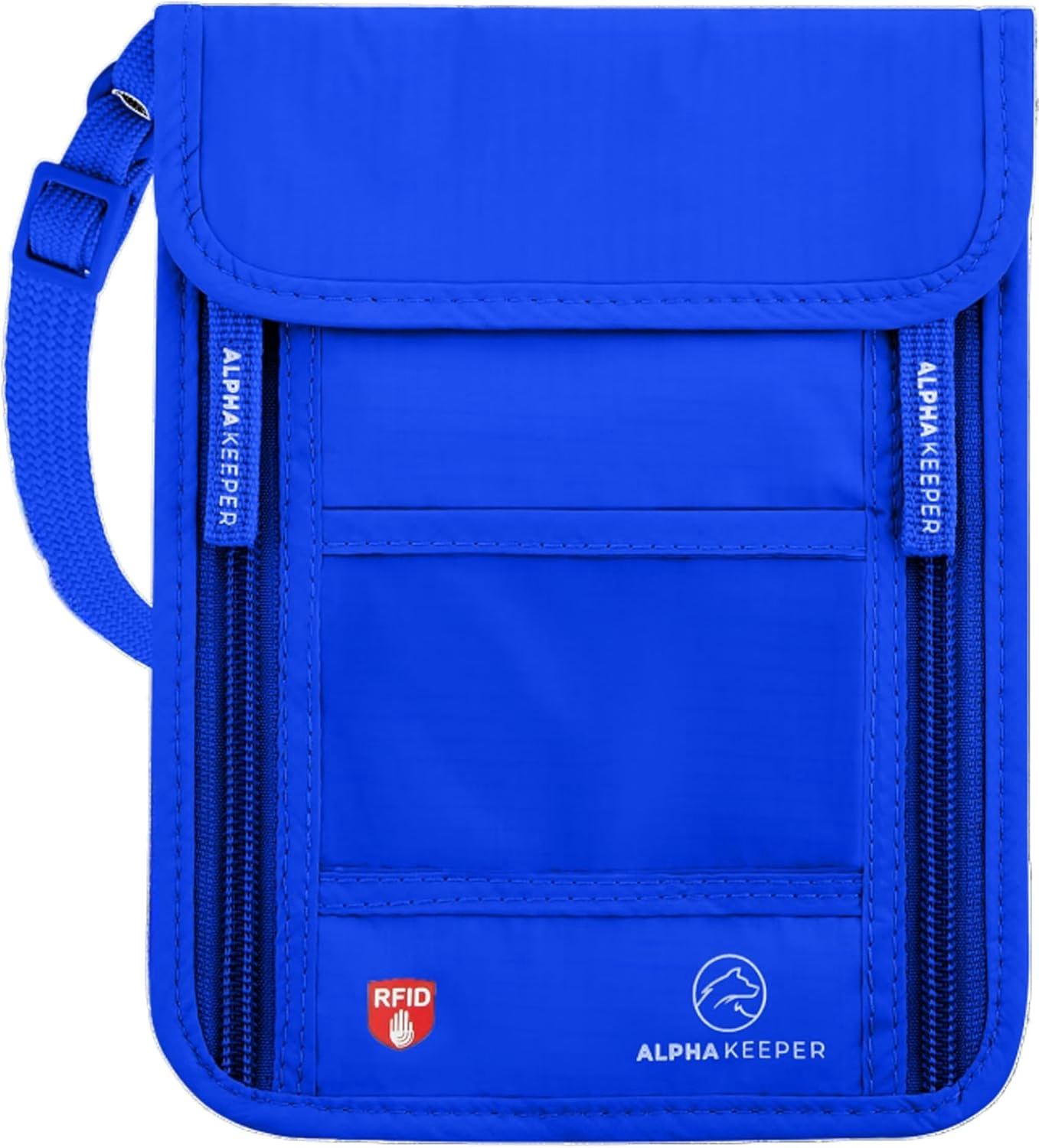
The best money belts for study abroad students in 2026 are slim, RFID-blocking designs worn under clothing — like the Azure RFID Money Belt or Black RFID Neck Wallet from Alpha Keeper. They cost under $25, block electronic card skimming, and carry passports, cards, and cash invisibly from lecture hall to late-night city transit.
Why Study Abroad Students Are a Pickpocket's Favorite Target (And How to Stop Being One)
You look new. You're navigating your phone, hauling a daypack, and visibly unsure which metro stop is yours — that's a flashing neon sign for opportunistic thieves in Barcelona, Prague, Chiang Mai, or Buenos Aires. RFID skimming adds a digital layer: a thief with a $30 reader can clone a contactless card from 10 cm away in a crowded tram without touching you. A properly worn RFID-blocking money belt eliminates both attack vectors simultaneously. The key word is 'worn' — under your shirt, flush against your torso, invisible to everyone but you.
Money Belt vs. Neck Wallet: Which Is Right for Your Study Abroad Setup?
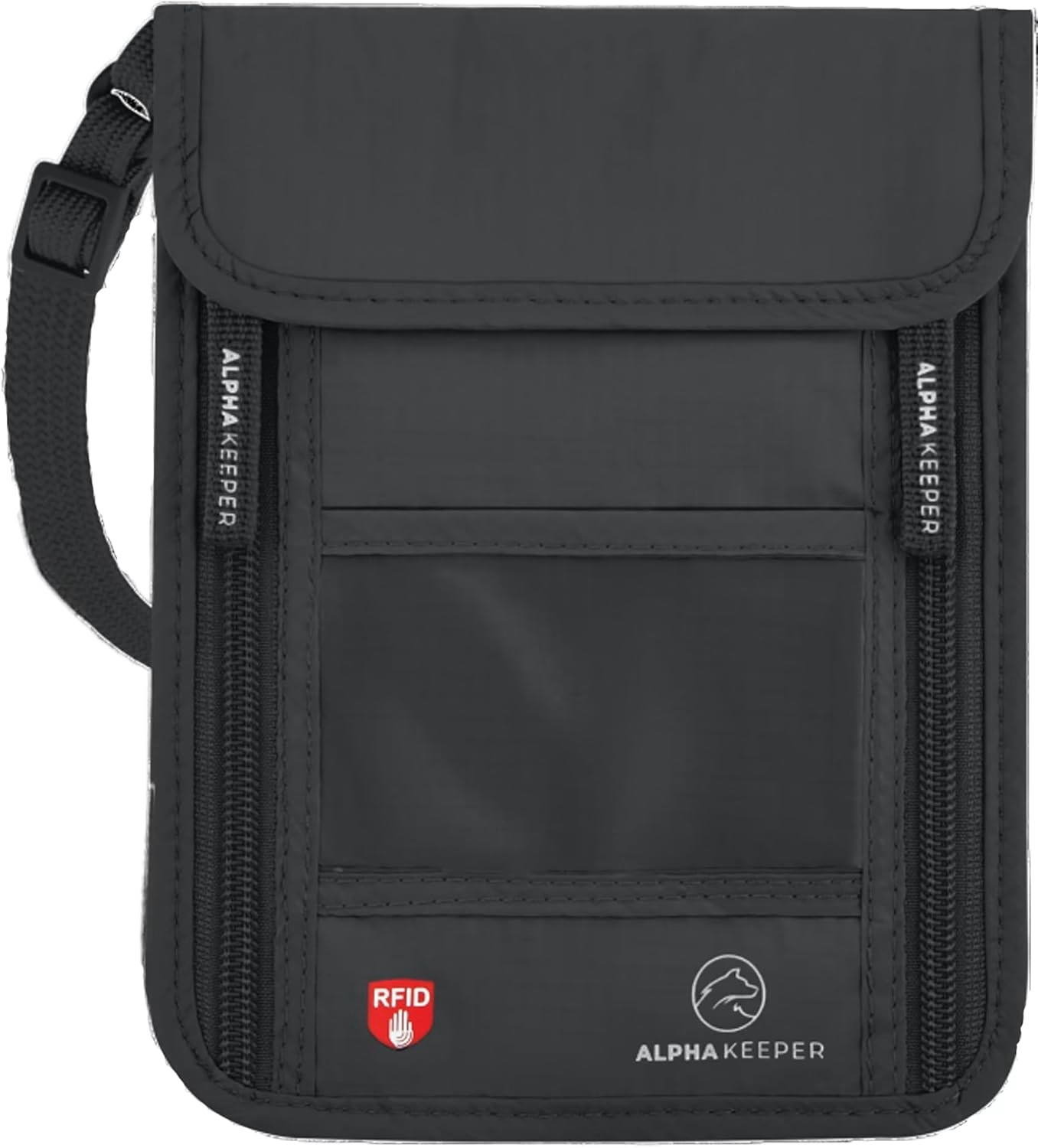
Money belts sit at your waistline under your jeans or trousers — ideal for city days when you're dressed and out for hours. Neck wallets hang under a shirt and sit flat against your chest — better for orientations, travel days, and situations where you're wearing looser clothes or switching outfits constantly. For most students, the honest answer is: own one of each. The Azure RFID Money Belt is a clean, low-profile waist option at roughly the width of a folded passport, while the Dark Grey RFID Neck Wallet adds a dedicated passport slot and hangs comfortably even under a hoodie. Together they cover every scenario from exam day in the library district to a weekend trip to a new country.
The Campus-to-City Carry: What to Actually Put Inside
Your money belt is not your everyday wallet — it's your emergency layer. Load it with: your passport (or a certified copy for low-risk days), one backup credit card, your emergency cash in local currency (roughly the equivalent of $50–$100), and your student visa or residence card if your program requires you to carry it. Your daily-use card and small spending cash live in a front-pocket slim wallet or a dedicated RFID sleeve. The MultiColor RFID Sleeve Set or Fiber RFID Sleeve Set gives each card its own shielded slot, so you can pull out one card at a café without exposing everything else. Think of it as a two-layer system: sleeves for daily friction, belt or neck wallet for the stuff that ruins your semester if it disappears.
Honest Comparison: Alpha Keeper RFID Money Belt vs. Generic 'Travel Belt' from a Marketplace
Generic marketplace money belts often advertise RFID blocking but use untested fabric composites with no verifiable shielding standard — you're essentially buying the marketing claim. Alpha Keeper belts use verified RFID-blocking material tested against ISO/IEC 14443 and 15693 protocols, the standards that cover modern Visa/Mastercard contactless and NFC passport chips. The stitching matters too: a belt that unravels at the zipper pull in month two of a six-month program is worse than useless. The Black RFID Travel Money Belt | Hidden Travel Gear uses reinforced seam construction and a low-profile buckle that doesn't print visibly under a fitted shirt — a detail cheap alternatives almost universally skip.
Best Picks by Study Abroad Scenario
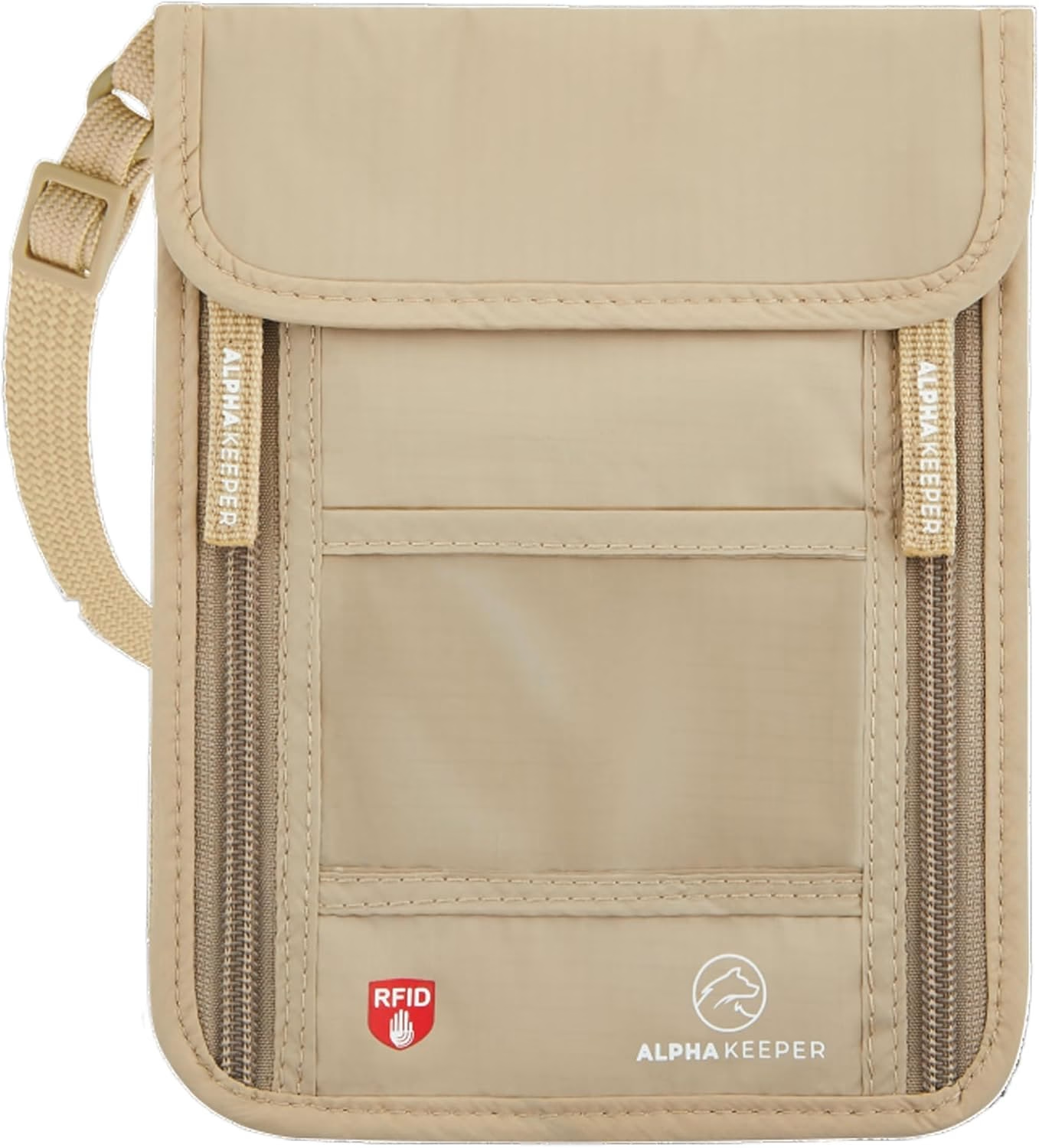
Western Europe semester (high pickpocket density, lots of transit): Azure RFID Money Belt under your jeans daily, Fiber RFID Sleeve Set for café card pulls. Southeast Asia gap year or exchange: Blue RFID Neck Wallet — lighter fabrics mean a waist belt can feel hot; a neck wallet breathes better and stays put on motorbike taxis. Latin America city programs: Brown RFID Money Belt for its neutral color that doesn't show sweat lines under cotton shirts, paired with the Black RFID Sleeve Set for your daily cards. Travel-heavy programs (you're crossing borders every few weeks): Beige RFID Neck Wallet — it has two luggage tag slots built in, which is genuinely useful when you're checking bags at budget airline desks and need your booking references immediately accessible.
5 Things Study Abroad Students Get Wrong About Money Belts
First: wearing it over your shirt — it defeats the entire purpose. Second: cramming in a thick billfold of receipts until it bulges visibly — keep it flat, keep it minimal. Third: relying on it as your only card carrier and fishing it out at every purchase — that's when people see it; use RFID sleeves for daily spending. Fourth: buying one with a velcro closure — velcro is noisy and wears out; opt for a smooth zipper. Fifth: forgetting it exists and leaving it in the hostel safe — the Silver RFID Money Belt and similar styles are thin enough (under 6mm flat-loaded) that students report forgetting they're wearing them after day three, which is exactly the point.
Frequently Asked Questions
Will a money belt set off metal detectors at airports or university security?
No. Alpha Keeper money belts and neck wallets contain no metal frames — the RFID-blocking layer is a metallic fabric composite, not a metal plate. They pass through airport scanners and university building security without triggering alarms. You do not need to remove them at checkpoints.
Can I wear a money belt all day on campus without it being uncomfortable?
Yes, if you choose the right style and load it lightly. Slim RFID money belts like the Azure or Blue RFID Money Belt sit flat against your lower abdomen and are made from soft, breathable materials. Most students report they stop noticing it after a day or two. The key is not overfilling it — passport, one card, and folded cash add up to under 8mm.
Is RFID skimming actually a real threat for study abroad students, or is it overhyped?
It's real, but context matters. Contactless credit and debit cards and NFC-enabled passports can theoretically be read wirelessly within a few centimeters. Documented incidents are less common than physical pickpocketing, but they do occur in high-density transit environments common to student city living. An RFID-blocking sleeve or belt costs under $20 and eliminates the risk entirely — it's a trivially cheap insurance policy worth having.
Ready to upgrade?
Grab the Azure RFID Money Belt before your departure date — it's the slim, verified-shielding pick that study abroad students actually wear all semester without thinking about it. Add a Fiber RFID Sleeve Set for your daily card pulls and your security setup is done.