Canada ranks among the world's most-visited countries, yet Toronto's Yonge-Dundas Square and Montreal's Old Port consistently appear in travel-forum theft reports — and contactless card skimming has surged 34% across Canadian transit hubs since 2024. The threat isn't theoretical; it's happening in broad daylight, in cities travelers assume are 'safe.'
Canada's biggest cities are low-violence but high-pickpocket-risk, especially in transit hubs and tourist corridors. In 2026, the safest approach is layered: RFID-blocking sleeves for everyday cards, a hidden money belt or neck wallet for your passport and backup cash, and a decoy wallet for small daily spend.
Why Canada Isn't as 'Safe' as Travelers Think — The Real Risk Map
Canada's violent crime rate is genuinely low, but opportunistic theft is a different story. Toronto's TTC subway, particularly Line 1 during rush hour, sees consistent wallet-dipping reports; Montreal's metro and the Plateau-Mont-Royal festival crowds are equally notorious. Vancouver's Granville Street entertainment district and the Canada Line between YVR and downtown are flagged repeatedly in 2026 travel advisories. The pattern is identical across all three cities: distraction, bump, gone — usually contactless cards and passports from outer jacket pockets or unzipped day bags. Knowing the specific hotspots lets you switch on active protection only when it actually matters, rather than wearing a money belt in your hotel room.
RFID Skimming in Canada: Real Threat or Hype?
RFID skimming — where a thief with a pocket reader silently harvests your contactless card data in a crowd — is measurably real in Canadian urban transit. Canadian anti-fraud agencies reported a 34% increase in contactless fraud linked to transit environments between 2024 and 2026, with densely packed subway cars being the primary vector. The good news: RFID-blocking sleeves are a $10–$20 fix that eliminates this risk entirely. The Alpha Keeper Fiber RFID Sleeve Set and MultiColor RFID Sleeve Set both use multi-layer metallic fabric that blocks 13.56 MHz signals (the frequency used by Visa payWave, Mastercard PayPass, and most modern passports) without adding meaningful bulk to your wallet. Slip your Presto card, credit cards, and passport data page into separate sleeves and the scanner gets nothing — zero data, zero fraud.
Money Belt vs. Neck Wallet: The Honest Trade-Off for Canadian Travel
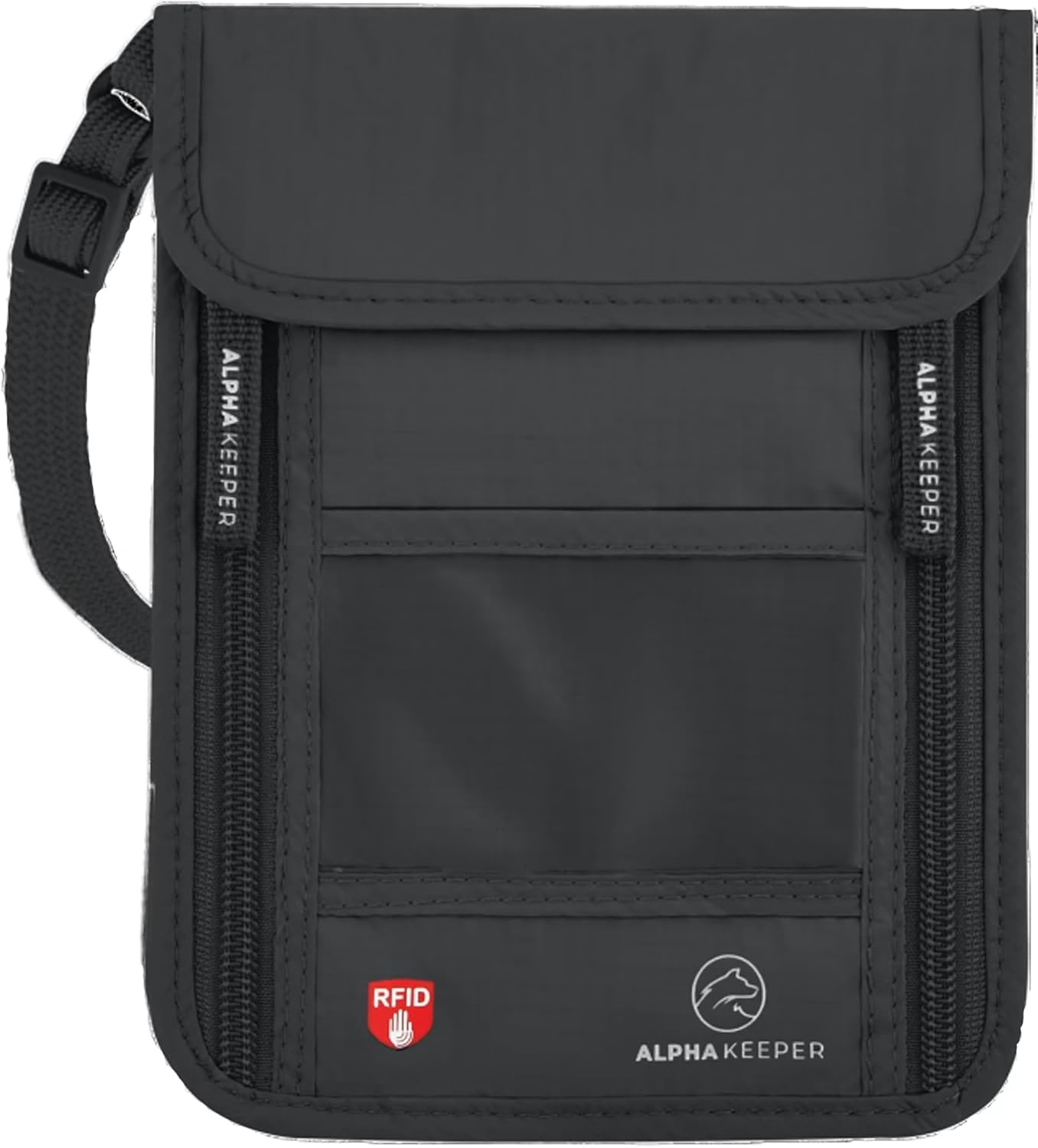
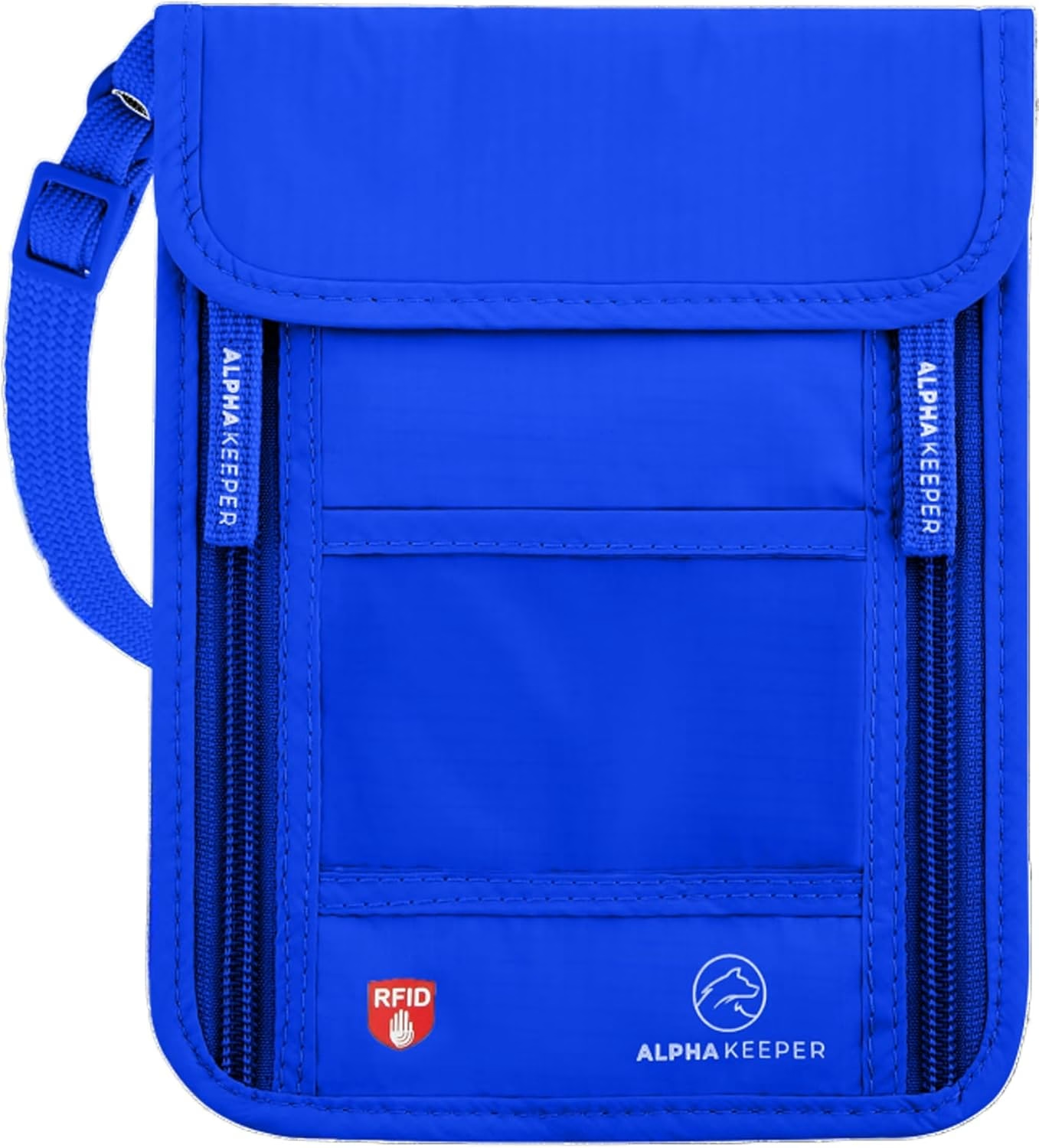
For most Canadian city trips, a neck wallet wins on convenience; for beach-to-city road trips or multi-week backpacking, a money belt wins on capacity. A neck wallet like the Dark Grey RFID Neck Wallet or Blue RFID Neck Wallet sits flat against your sternum under a t-shirt, holds a passport, two cards, and folded bills, and is genuinely invisible under light clothing — critical when you're hopping between Toronto's CN Tower queues and a packed Raptors game. A money belt like the Black RFID Travel Money Belt | Hidden Travel Gear wraps around your waist under your waistband and carries slightly more volume, making it the better pick for families who need to stash kids' passports too. The honest downside of a money belt: bathroom access requires more effort, which means travelers sometimes just… stop using it by day three. If you won't wear it consistently, the neck wallet you actually keep on beats the money belt stuffed in your bag.
City-by-City Strategy: Toronto, Vancouver & Montreal
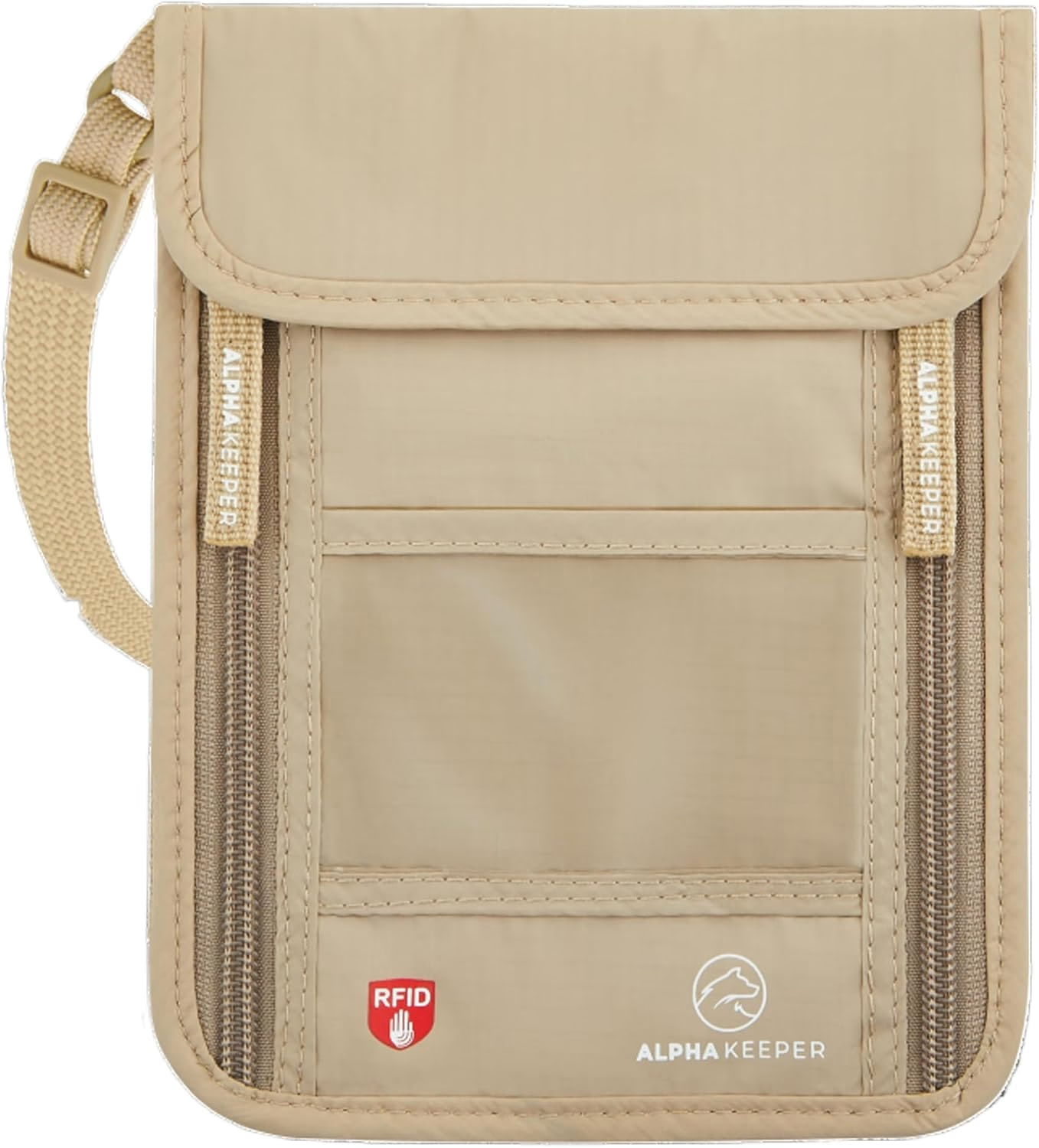
Toronto is Canada's busiest pickpocket environment — treat the TTC and Yonge-Dundas Square like you would a European metro: passport and backup cards go under your shirt, period. In Vancouver, the SkyTrain Expo Line and Gastown tourist strip are the hot zones; the Azure RFID Money Belt worn under a light jacket is nearly undetectable and keeps your passport secure during the famous Stanley Park bike rental shuffle where bags get propped against benches. Montreal rewards a slightly more relaxed setup — the city's biggest risk is festival season (Jazz Fest, Osheaga, Just for Laughs) when massive crowds create perfect distraction conditions; a Beige RFID Neck Wallet under a loose linen shirt handles this beautifully. In all three cities, carry a 'decoy wallet' in your back pocket — a cheap billfold with $20 CAD and an expired card — so if someone does succeed, they get almost nothing.
The Layered System: How to Build Your Canada Security Stack
Layer one: every card that has a contactless symbol gets an RFID sleeve — the Colorful RFID Sleeve Set is a practical choice because color-coding means you never dig through a stack trying to find your transit card. Layer two: passport and emergency cash go in a hidden carrier worn on your body, either the Silver RFID Neck Wallet for its slim profile or the Brown RFID Money Belt for more storage. Layer three: daily spend (≤$50 CAD) in a front-pocket slim wallet you can access quickly without exposing your main stash. This three-layer approach means a successful pickpocket gets at most your decoy wallet; your passport, primary cards, and emergency funds are untouched. Total cost of the full system: roughly $30–$60 USD, which is less than the CAD equivalent of a single replacement emergency passport appointment fee.
Honest Comparison: Alpha Keeper RFID Neck Wallet vs. a Generic Travel Pouch
Generic travel pouches sold at airport gift shops typically use a single nylon layer with no verified RFID shielding, loose cord closures that stretch out within days, and dimensions too thick to lie flat under clothing — they print on the chest like a lumpy fanny pack under a shirt. The Dark Grey RFID Neck Wallet uses tested multi-layer RFID-blocking fabric, a reinforced adjustable cord rated for repeated daily use, and a slim profile (roughly 7mm flat) that genuinely disappears under a t-shirt. The price gap is minimal; the protection gap is not.
Frequently Asked Questions
Is RFID theft actually a problem in Canadian cities like Toronto and Vancouver in 2026?
Yes, it's a documented and growing risk. Canadian anti-fraud data shows a 34% increase in contactless card fraud linked to transit environments since 2024. Crowded subway cars and tourist corridors are the primary vectors. An RFID-blocking sleeve or wallet eliminates this risk at minimal cost.
Should I use a money belt or a neck wallet for a trip to Montreal or Vancouver?
For city-focused trips, a neck wallet (like the Dark Grey RFID Neck Wallet or Blue RFID Neck Wallet) is more practical — it's slimmer, easier to access, and stays comfortable under light clothing all day. Choose a money belt if you need higher capacity or are traveling as a family managing multiple passports.
What's the single most important thing to protect on a Canada trip?
Your passport. Replacing a lost or stolen passport abroad is expensive, time-consuming, and stressful. Keep it in an RFID-blocking hidden carrier worn under your clothing at all times in public — never in a bag, backpack outer pocket, or jacket pocket in crowded areas.
Ready to upgrade?
Don't let a 30-second distraction steal your entire trip — slip your passport and cards into the Dark Grey RFID Neck Wallet before you leave home and wear your peace of mind under your shirt from day one.