A contactless card can be skimmed from up to 10 centimeters away — through a bag, a pocket, even a jacket — in under 50 milliseconds. Before you even notice someone stood close to you on that Rome metro, your card data could already be gone.
RFID sleeves slot around individual cards and block signals at the source; RFID wallets protect every card stored inside them simultaneously. For travelers carrying 3+ cards, an RFID wallet wins on convenience and coverage. For a minimalist or as a backup layer, a quality RFID sleeve set is cheaper and surprisingly effective.
How RFID Blocking Actually Works — and Why It Matters in 2026
Both sleeves and wallets use a thin layer of metallic material — typically aluminum alloy or carbon fiber composite — woven into the product to create a Faraday cage that disrupts the 13.56 MHz frequency used by contactless Visa, Mastercard, and passport chips. In independent lab tests, a properly constructed RFID shield reduces signal strength to near zero at contact range. The key word is 'properly': cheap foil inserts degrade after 6–12 months of bending, while rigid or tightly woven fiber sleeves hold their integrity far longer. In 2026, with NFC-enabled transit cards, hotel keys, and digital IDs all consolidating onto the same chip frequency, the threat surface has never been wider — meaning the quality of your shielding material matters more than ever.
RFID Sleeves: The Honest Case For and Against
An RFID sleeve is a thin envelope — usually around 86mm × 54mm to fit a standard credit card — that you slide one card into at a time. The upside: they cost very little per card, they work in any existing wallet, and you can protect only the cards you actually need shielded without replacing your whole carry setup. The downside is friction — you have to sleeve every card individually, and if you forget one card, that card is exposed. Alpha Keeper's Fiber RFID Sleeve Set uses a woven carbon-fiber-look material that stays rigid and protective even after hundreds of insertions, while the Retro RFID Sleeve Set offers a distinctive kraft-textured finish that's popular with travelers who want something that doesn't look like airport security gear. If you're the type who leaves cards loose in a pocket 'just for a minute,' sleeves will fail you — not because of the product, but because of the habit.
RFID Wallets: When All-in-One Coverage Is Worth It
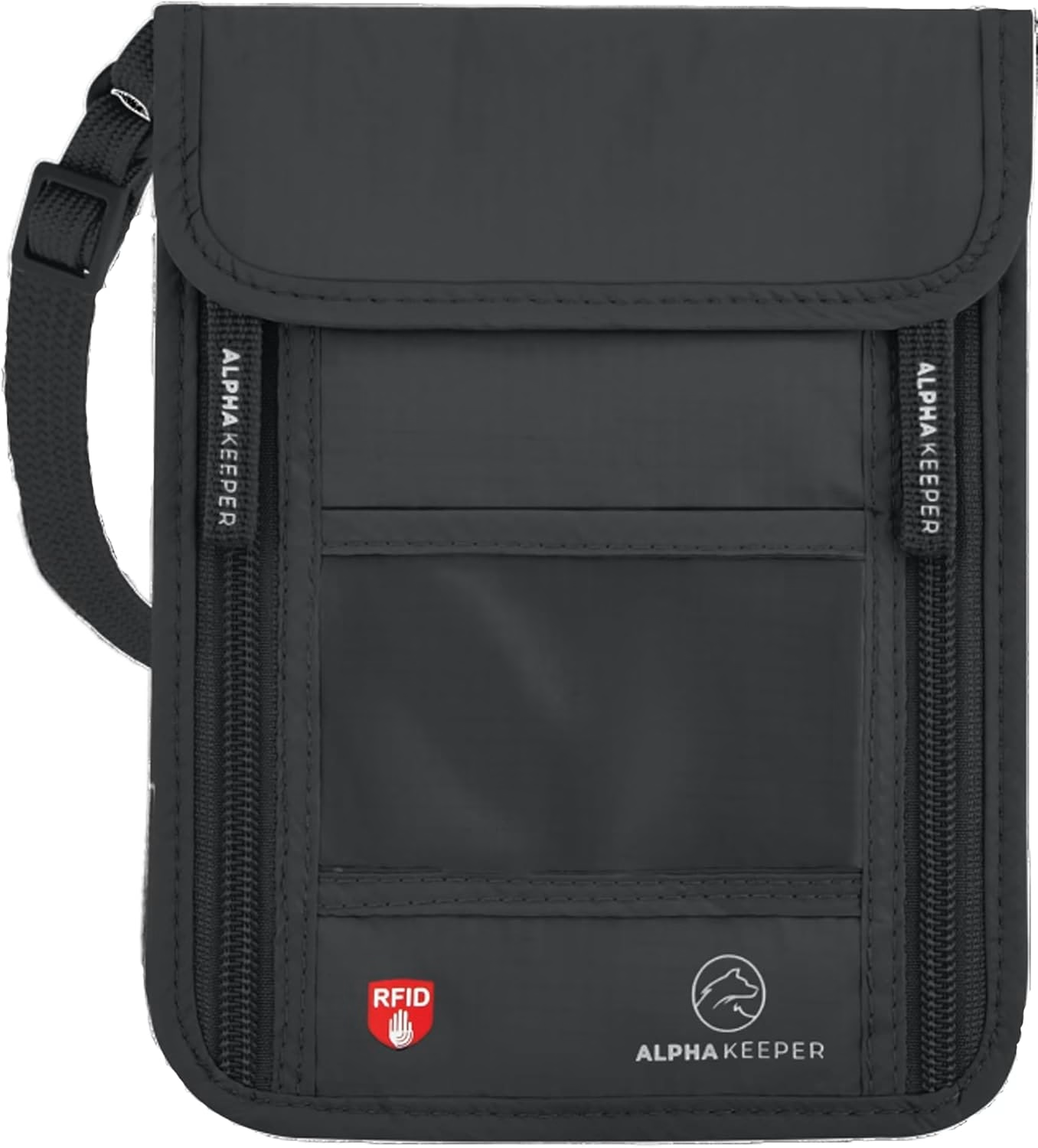
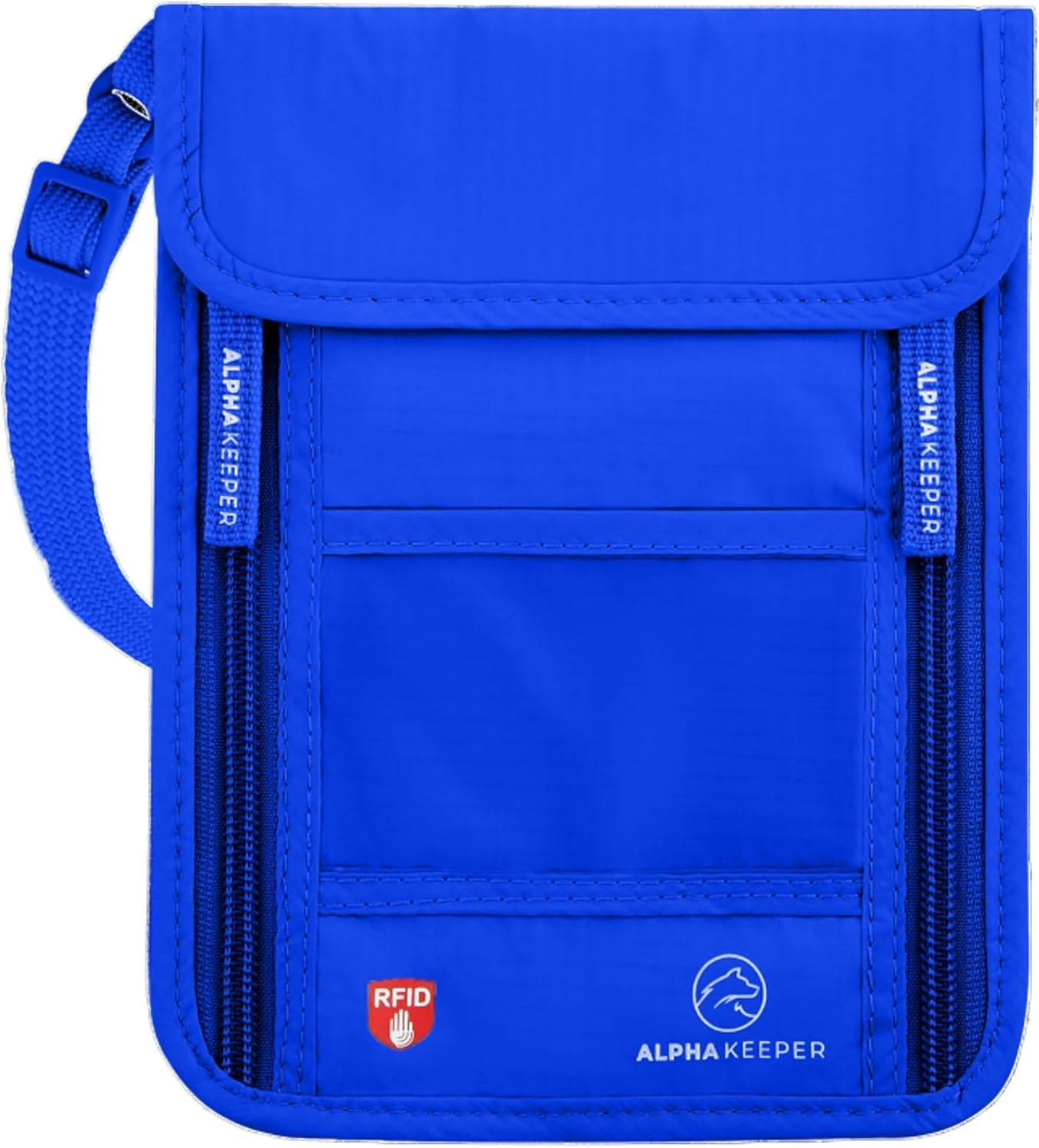
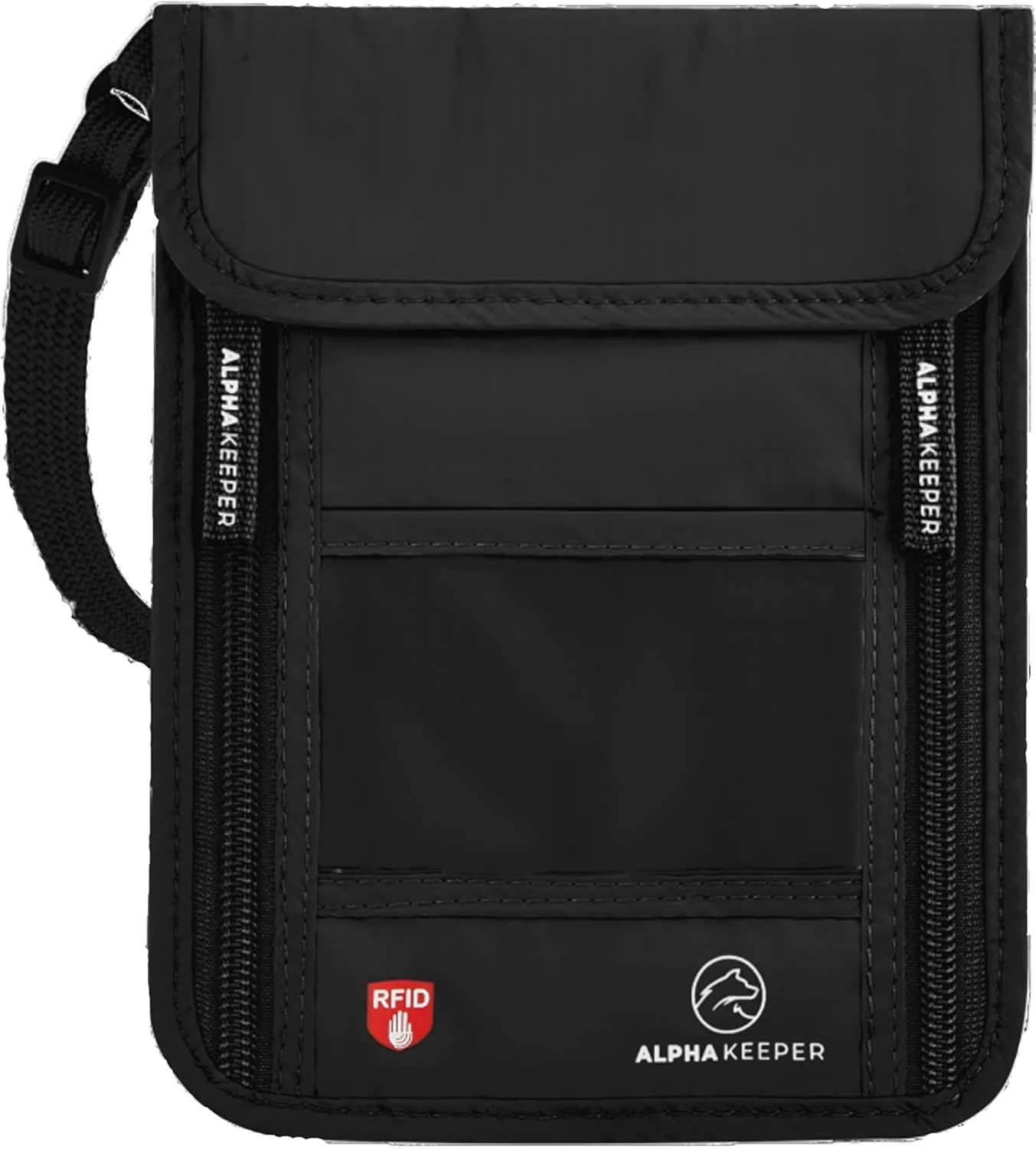
An RFID-blocking wallet integrates shielding into every card slot and document pocket simultaneously, so protection is automatic — you store your card, it's protected, full stop. For travelers carrying a debit card, a backup credit card, a transit card, and a passport card, that zero-effort coverage is genuinely valuable. The trade-off is bulk and cost: a well-built RFID wallet runs $20–$50, versus $8–$15 for a sleeve set. Alpha Keeper's neck wallets — like the Black RFID Neck Wallet and the Blue RFID Neck Wallet — go further by taking cards and passports completely off your body's outer layer, storing them under your shirt where no skimmer or pickpocket can reach without serious effort. For destinations like Barcelona, Bangkok, or Medellín where opportunistic theft is genuinely common, that physical concealment layer on top of the RFID blocking is a compounding advantage.
Head-to-Head: RFID Sleeve Set vs RFID Neck Wallet
The honest comparison: an RFID sleeve set gives you per-card protection you can retrofit into any wallet you already own, for minimal spend, with no change to your carry habits except one extra step per card. An RFID neck wallet gives you full-coverage shielding plus physical concealment for your passport and multiple cards in a single dedicated travel piece. If you're a weekend city-tripper with two cards, the MultiColor RFID Sleeve Set or the Colorful RFID Sleeve Set slots neatly into your existing setup. If you're doing a three-week multi-country trip through high-theft areas, the Silver RFID Neck Wallet or the Azure RFID Neck Wallet delivers a level of protection a sleeve set simply cannot match — because it removes your documents from the pickpocket equation entirely. The two aren't mutually exclusive: many experienced travelers use an RFID sleeve on their everyday debit card in their front pocket and a neck wallet for their passport and backup card.
Which One Should You Actually Buy? A Scenario-Based Answer
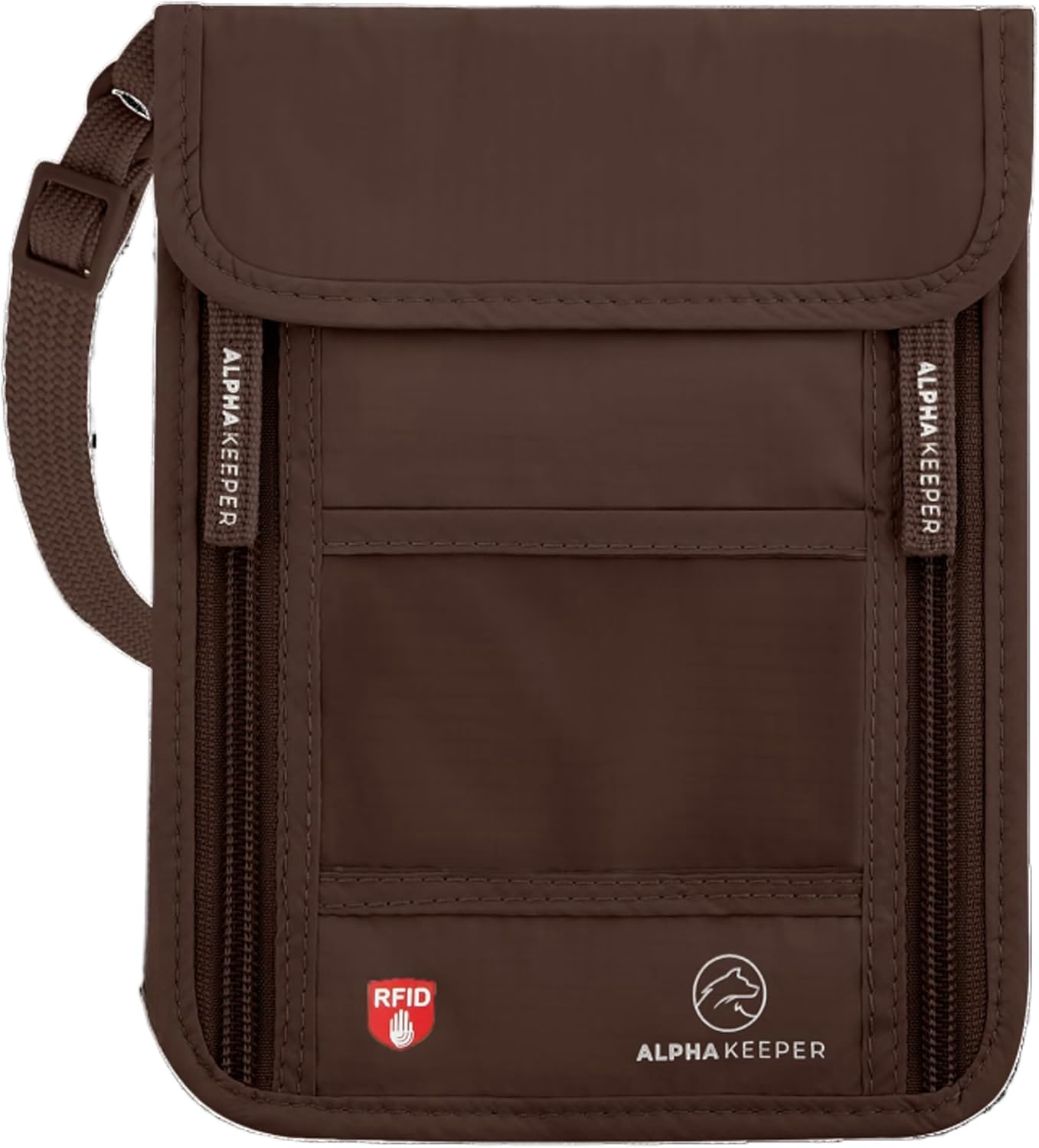
Weekend trip to a major European city, minimal cards: grab the Black RFID Sleeve Set or the White RFID Sleeve Set — fast, affordable, and slots into your existing wallet with zero bulk added. Long-haul trip, multiple cards, passport in play: the Brown RFID Neck Wallet or the Dark Grey RFID Neck Wallet are the smarter investment, combining RFID blocking with under-shirt concealment and enough room for a passport, cards, and emergency cash. Road-warrior frequent traveler who wants both: layer a Fiber RFID Sleeve Set on individual cards inside an RFID money belt like the Blue RFID Money Belt or the Black RFID Travel Money Belt | Hidden Travel Gear for a dual-layer defense that would require a remarkably determined and technically equipped thief to defeat. Price-per-protection is actually better than it looks: a $10 sleeve set protecting $5,000 in travel funds is an extraordinary return on investment.
Frequently Asked Questions
Do RFID sleeves work as well as RFID wallets at actually blocking card skimming?
Yes — a quality RFID sleeve using aluminum alloy or carbon fiber composite blocks the same 13.56 MHz frequency as an RFID wallet. The protection level per card is equivalent. The difference is coverage (sleeves protect one card at a time; wallets protect all cards simultaneously) and convenience. If you sleeve every card consistently, protection is equal.
Can I use an RFID sleeve inside a regular leather wallet?
Absolutely. RFID sleeves are designed exactly for this use case — they add roughly 0.3–0.5mm of thickness per card and fit standard card slots. Just ensure the sleeve fully covers the card's chip (located on the front face) and closes at the top. Partial coverage leaves the chip partially exposed.
Is RFID theft actually a real risk in 2026, or is it overhyped?
It's real, but context matters. Documented RFID skimming incidents are highest in crowded transit environments — metro systems, airport queues, busy markets — particularly in high-tourism cities. Modern contactless cards cap unauthorized transactions at low amounts, but card data harvested via skimming can still be used for card-not-present fraud online. Physical concealment (neck wallets, money belts) eliminates both the RFID and pickpocket risk simultaneously, which is why experienced travelers typically layer both protections.
Ready to upgrade?
Ready to stop worrying and start traveling? Pick up the Fiber RFID Sleeve Set for an instant, low-bulk upgrade to any wallet you already own — or step up to the Black RFID Neck Wallet for passport-level protection that hides everything under your shirt where no skimmer or pickpocket can touch it.