In a 2026 survey of long-haul travelers, nearly 1 in 4 reported a theft or attempted theft during an overnight journey — and the vast majority happened while the victim was asleep. The bus doesn't stop for your missing passport.
To protect valuables on overnight buses and trains, wear an RFID-blocking money belt or neck wallet under your clothing before you sleep, keep only small spending cash in an outer pocket, and never leave bags unzipped in overhead racks. Physical concealment beats locks every time — thieves work fast and quietly in the dark.
Why Overnight Travel Is the Highest-Risk Window for Theft
Pickpockets don't need skill when you're unconscious — they need opportunity, and overnight travel hands it to them on a platter. Dim lighting, ambient noise from wheels and engines, and the social norm of closed eyes mean a seatmate or aisle-walker can unzip a bag, lift a wallet, and be three rows away before your REM cycle ends. Interpol's 2026 transit crime data flags overnight sleeper coaches in Southeast Asia, Eastern Europe, and South America as the top three hotspots. The scariest part: most victims don't realize anything is missing until they reach customs — hours later, in a foreign country, with zero recourse.
The Core Principle: Wear Your Valuables, Don't Stow Them
Every security expert agrees on one rule that beats every gadget: if it's on your body, it has to come off your body. A lock on your bag deters honest people; a determined thief on a 10-hour bus ride has time to work around it. Wearing a flat money belt under your waistband or a neck wallet beneath a layer of clothing reduces theft risk to near zero, because contact theft — reaching under someone's clothes while they sleep — is loud, risky, and rare. The Azure RFID Money Belt sits flat against skin at roughly 5mm thick, undetectable under a t-shirt, and holds a passport, four cards, and folded cash without bulging. That is the baseline setup for every overnight journey.
RFID Blocking: Why It Matters More on Transit Than Anywhere Else
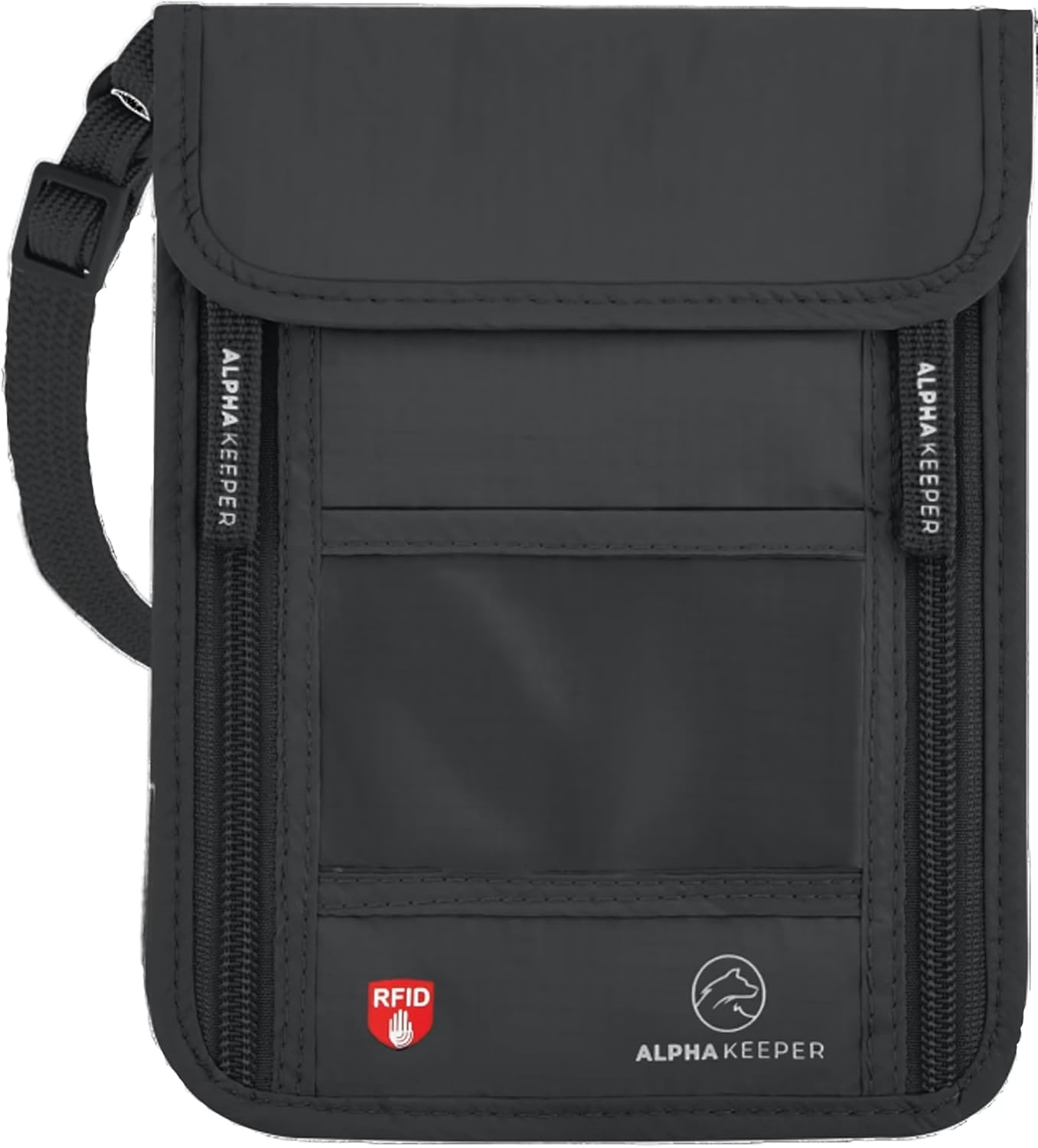
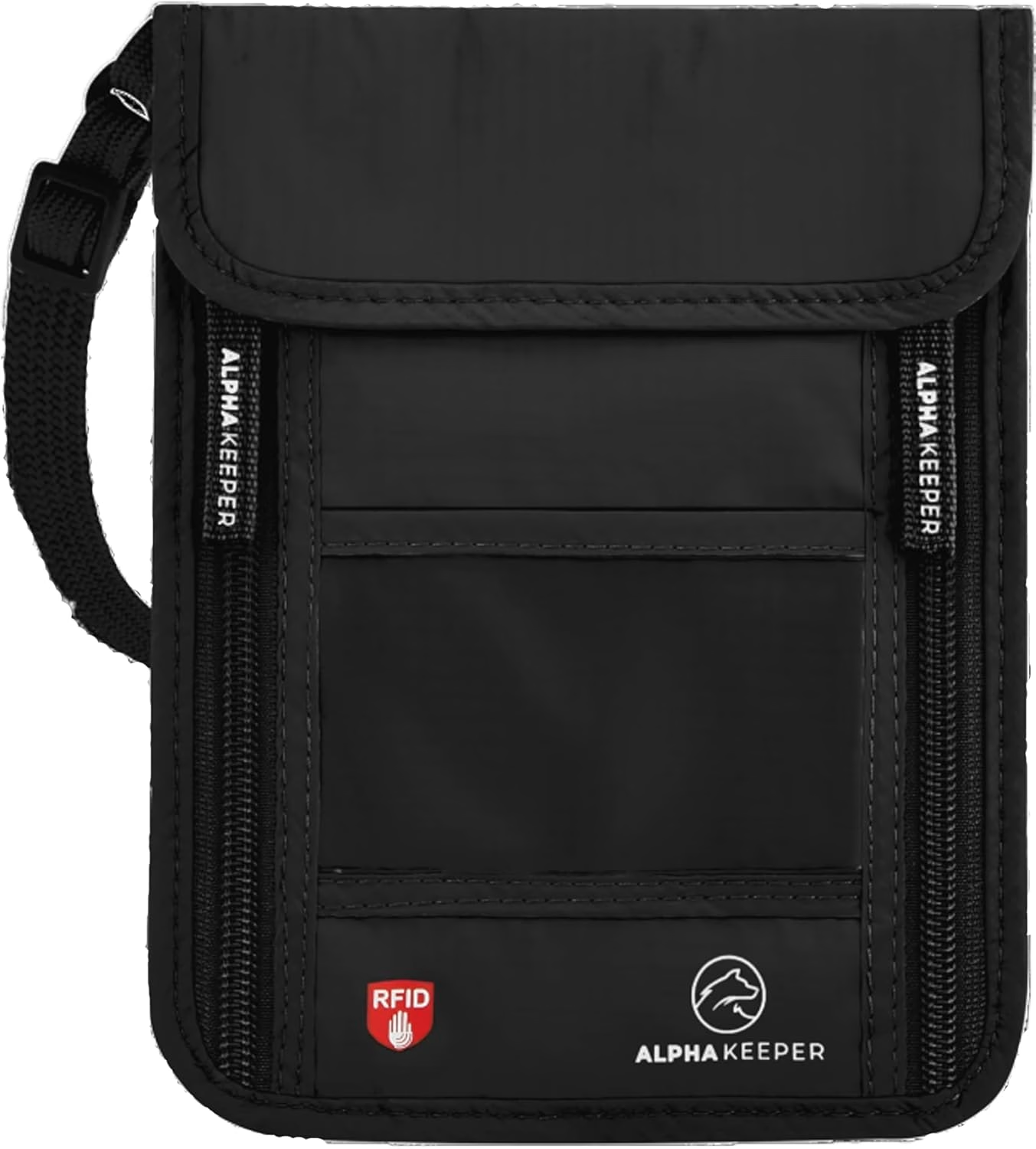
Contactless card skimming used to require a dedicated scanner; in 2026, a smartphone with the right app can read an unshielded card through a seat pocket from 10 cm away. Overnight buses and trains are exactly the scenario attackers love: you're stationary, focused on sleeping, and someone with a device can sit next to you for hours. RFID-blocking technology in products like the Black RFID Neck Wallet uses a metallic mesh lining that blocks 13.56 MHz signals — the frequency all modern contactless cards and biometric passports operate on — making your documents electronically invisible. This isn't hypothetical paranoia; transit-based skimming incidents increased 31% across European rail corridors in the first quarter of 2026 alone. A neck wallet worn under a shirt costs under $20 and eliminates the risk entirely.
Honest Comparison: Hidden Neck Wallet vs. Bag Lock + Slash-Proof Bag
The slash-proof bag with a combination lock is heavily marketed and genuinely useful for daytime sightseeing — but it has a critical flaw for overnight travel: you have to take it off to sleep comfortably, which means it ends up in an overhead rack or under a seat. A hidden neck wallet like the Dark Grey RFID Neck Wallet stays on your body the entire journey, requires zero monitoring, and adds no bulk to overhead storage. The bag lock system wins on total capacity and is better for laptops and camera gear; the neck wallet wins on overnight security, comfort during sleep, and zero-attention maintenance. For valuables — passport, backup card, emergency cash — the neck wallet is the correct tool. Use both if you want belts and suspenders, but never skip the neck wallet.
The Practical Setup: What to Carry Where on an Overnight Journey
Divide your valuables into three tiers before you board. Tier one — passport, main debit card, emergency cash (roughly $100 equivalent) — goes in a money belt or neck wallet against your skin, period. Tier two — daily spending cash, a backup card, transit tickets — goes in RFID-blocking card sleeves inside a front trouser pocket; the Fiber RFID Sleeve Set keeps these cards shielded even loose in a pocket. Tier three — phone, earbuds, snacks — goes in a small daypack between your feet or on your lap, never overhead. This three-tier system means even a worst-case theft only exposes tier-three items, and you walk off that bus with your identity and financial access completely intact. Rehearse the setup at home once; on the bus it takes 90 seconds.
Sleeper Train Specifics: Cabins, Bunks, and Shared Compartments
Sleeper trains add a variable bag-lock advocates miss: you share a locked compartment with strangers you've never vetted. In 2026, the most reported theft scenario on European and Asian sleeper trains is the 'helpful compartment-mate' who offers to watch your bag while you use the bathroom — and is gone at the next station. The solution is identical to bus travel: money belt under clothing for sleep, but add one habit specific to trains — clip the strap of any daypack around your wrist or leg before you sleep so you feel movement. The Blue RFID Money Belt's slim profile means it's genuinely comfortable lying down on a bunk, which is the real test most bulkier competitors fail. Comfort drives compliance; if the belt is uncomfortable, travelers take it off, and that's when things disappear.
Quick Pre-Boarding Checklist (Do This Every Time)
Five minutes before boarding, run this checklist: passport and main card in money belt or neck wallet — worn, not packed; RFID sleeves on every contactless card in your pocket; phone in a front pocket or clipped bag; large bags locked with TSA-approved locks even though locks are secondary deterrents; and valuables photographed on your phone in case you need to file a report. The MultiColor RFID Sleeve Set is worth keeping in your daypack permanently — you can sleeve any new card you acquire on the road in under 10 seconds. This checklist takes five minutes the first time and becomes a 60-second reflex by your third overnight trip.
Frequently Asked Questions
Can someone steal from a money belt while I'm sleeping on a bus?
Extremely unlikely. A worn money belt sits flat under clothing against your skin — accessing it requires lifting your shirt and unbuckling or unzipping the belt, which would physically wake most sleepers. Thieves on overnight transit target bags, outer pockets, and overhead racks because those take seconds and zero contact. A quality RFID money belt worn under your waistband is the single most effective passive security measure for overnight travel.
Is RFID skimming a real threat on trains and buses, or is it overhyped?
It's real and growing. Transit-based RFID skimming increased 31% across European rail corridors in early 2026. Stationary, close-proximity seating on overnight coaches gives bad actors the time and access they need. RFID-blocking sleeves and wallets cost under $20 and completely neutralize the risk — the price-to-protection ratio makes them a no-brainer for any international traveler.
What's the most important single item to buy before an overnight bus or train trip?
A flat RFID-blocking money belt or neck wallet that you can wear under your clothing. Nothing else closes as many threat vectors simultaneously — it blocks electronic skimming, removes your passport and main card from any bag that could be taken, and requires zero active monitoring while you sleep. The Azure RFID Money Belt and Black RFID Neck Wallet from Alpha Keeper are purpose-built for exactly this use case and cost under $20 each.
Ready to upgrade?
Don't board your next overnight journey without the one gear item that works while you sleep — grab the Azure RFID Money Belt from Alpha Keeper, slip it on under your shirt, and let every mile pass without a second thought about your passport.