A 2026 survey by the Short-Term Rental Security Alliance found that 1 in 4 travelers who reported theft on vacation said it happened inside their accommodation — not on the street. Your Airbnb is not as safe as your hotel room, and most travelers don't realize it until it's too late.
To protect valuables in a vacation rental, never leave cash, cards, or passports loose in your room. Use an RFID-blocking neck wallet or money belt worn under clothing while out, store backup cards in RFID sleeves inside a locked bag when in, and always photograph the room upon arrival to document pre-existing issues.
Why Vacation Rentals Are a Uniquely High-Risk Environment for Valuables
Unlike a hotel with a bolted safe and trained front-desk staff, most Airbnbs and VRBO units have zero secured storage — and the host, cleaning crew, or previous guest may have kept a spare key. In 2026, short-term rental platforms process over 1.5 billion guest nights annually, yet fewer than 12% of listings advertise an in-unit safe. Cleaners with rolling access are the most underappreciated risk: they're often independent contractors with minimal vetting. Add the reality that most vacation renters visually 'check out' of security mode the moment they drop their bags, and you have a perfect storm for preventable loss. The solution isn't paranoia — it's a consistent system you set up in the first five minutes.
The First Thing to Do When You Arrive at Your Rental (Takes 4 Minutes)
The moment you walk in, do three things: photograph every room to timestamp your arrival condition, test every lock on doors and windows, and identify where you'll store your travel documents overnight. If there's no safe, your best option is a locked, slash-resistant bag — but that still doesn't protect against RFID skimming if someone with a reader gets close to your bag. The smarter habit is to keep your passport and primary cards inside an RFID-blocking sleeve even when they're sitting in your bag. The Black RFID Sleeve Set or Fiber RFID Sleeve Set are flat enough to slide inside any travel document organizer without adding bulk, and they block the 13.56 MHz frequency that modern contactless cards and e-passports broadcast. This takes 60 seconds to set up and eliminates one entire category of theft risk.
On Your Body vs. In Your Bag: The Core Security Decision
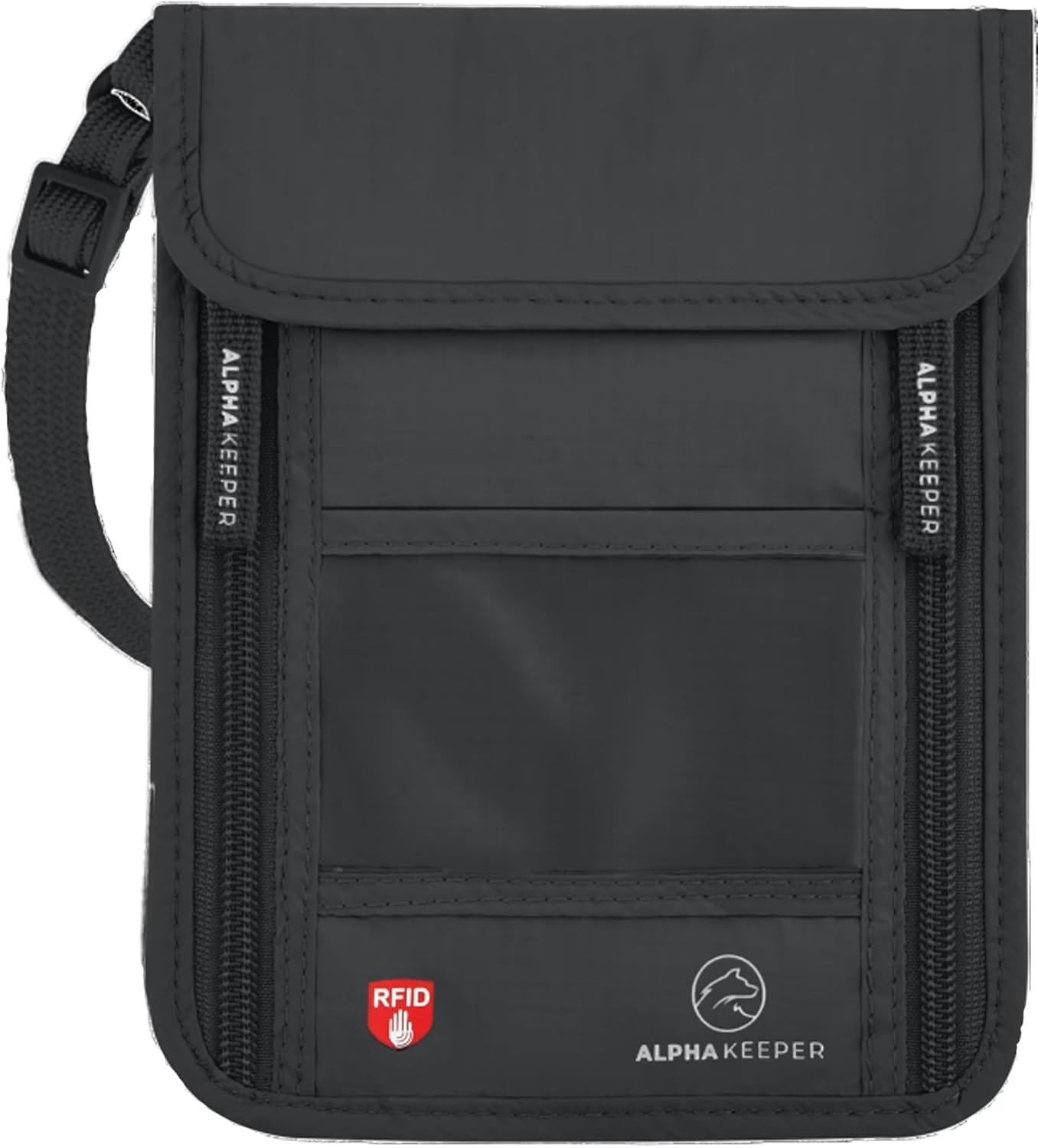
When you leave the rental to explore, never leave your passport in the unit unless you have a physical safe to lock it in — and even then, copy the document number first. Your daily carry should split into two tiers: essentials on your body, backups secured in the room. For the on-body tier, a money belt worn under your waistband is the gold standard that pickpockets and casual opportunists simply cannot access. The Black RFID Travel Money Belt from Alpha Keeper sits flat against your torso at about 11 inches wide, holds a folded passport, up to six cards, and local currency without visible bulk under a T-shirt. For travelers who prefer neck carry, the Dark Grey RFID Neck Wallet tucks under a shirt collar and includes dedicated card slots with RFID-blocking lining — critical in 2026 when tap-to-pay skimming devices have gotten small enough to fit in a jacket pocket. Either option costs under $25 and replaces hundreds of dollars of potential loss.
RFID Theft in Rental Settings: Real Risk or Travel-Blogger Hype?
Here's an honest answer: passive RFID skimming in crowded tourist areas is a real, documented threat — but inside your locked rental it's a secondary concern compared to physical theft. That said, the scenario that often gets overlooked is shared spaces: building lobbies, stairwells, shared laundry rooms, and co-living-style rentals where multiple guests share common areas. In those environments, someone with a sub-$50 RFID reader can capture your card data from 2–3 feet away without ever touching your bag. RFID-blocking sleeves like the Colorful RFID Sleeve Set or Retro RFID Sleeve Set cost under $15 for a multi-card set and add zero weight or hassle — so the 'is it worth it' debate is really moot at that price-to-protection ratio. Use them in your bag at the rental, and use a money belt or neck wallet when you're out.
Honest Comparison: RFID Neck Wallet vs. Generic Zippered Pouch
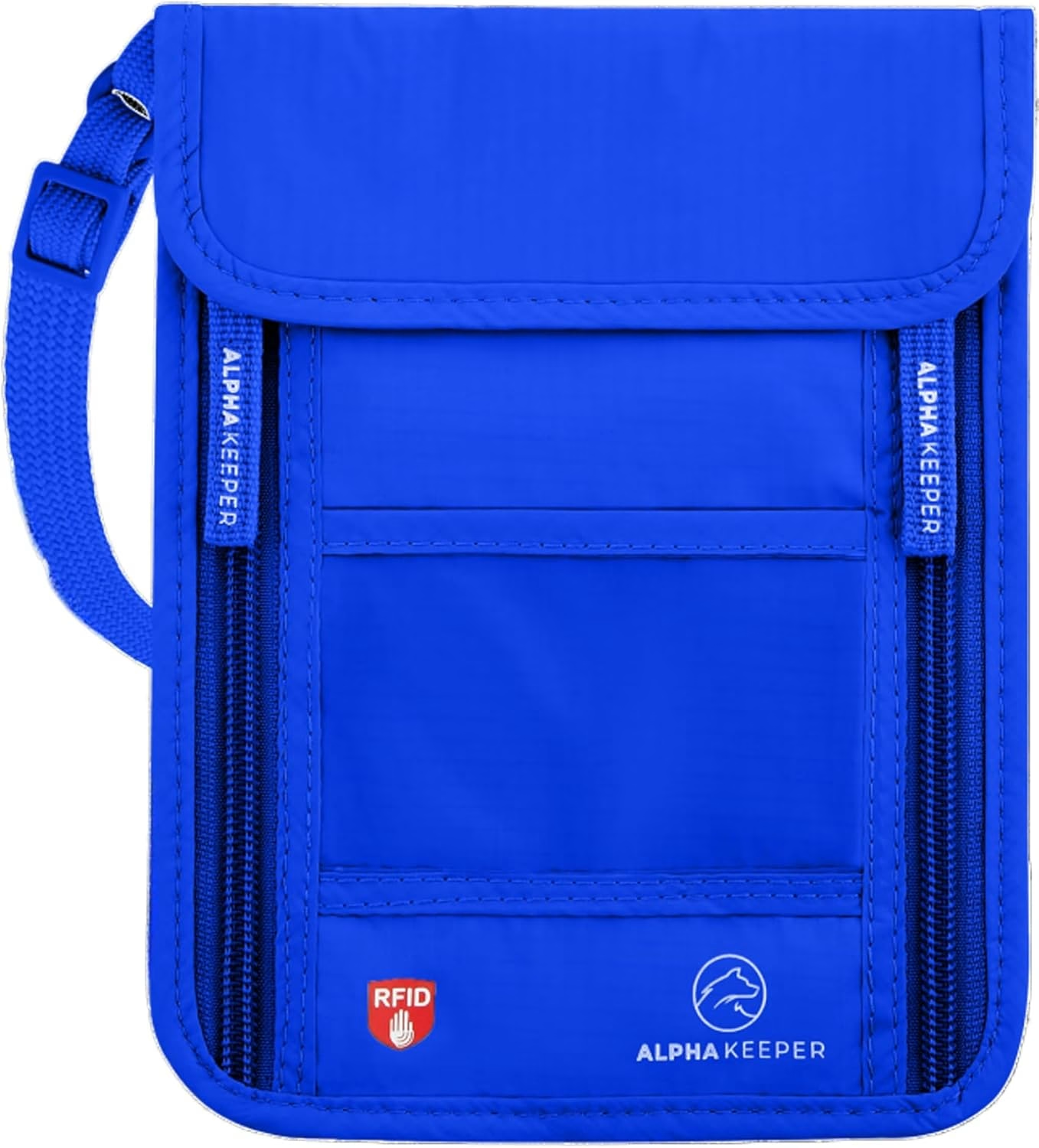
A lot of travelers try to solve this with a cheap zippered pouch from a dollar store or a generic document organizer they found on Amazon for $6. The problem isn't the zipper — it's what's missing: no RFID shielding, no body-conforming cut, no breakaway-resistant cord. The Blue RFID Neck Wallet from Alpha Keeper uses a purpose-cut nylon shell with embedded metallic RFID-blocking fabric, a low-profile silhouette that doesn't bulk under a linen shirt, and a cord rated to resist a grab-and-yank. Generic pouches are just fabric envelopes — fine for holding papers, useless against electronic theft, and the cord snaps if someone yanks hard. For a $20 difference in price, the gap in actual protection is enormous.
A Practical Overnight Security Routine for Short-Term Stays
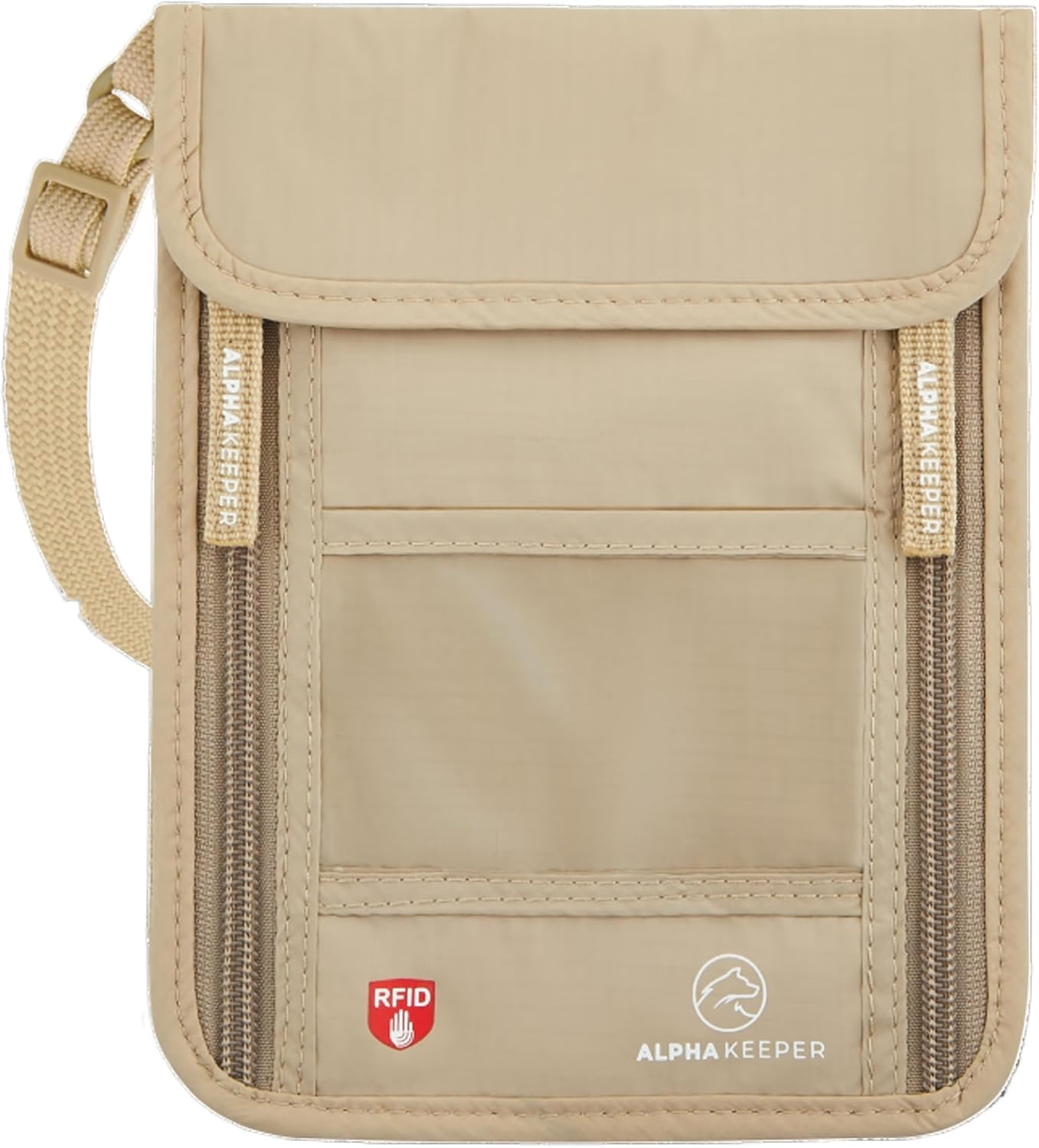
Build a nightly two-minute ritual: everything with financial or identity value goes into one designated spot — an RFID-sleeved card set inside a zipped inner bag pocket, passport in its sleeve, money belt hung on the bedpost or tucked under the mattress. If you're staying multiple nights, that designated spot never changes, so you're never frantically searching at 5am for a taxi to the airport. The Beige RFID Neck Wallet is a good choice for the overnight holder because it has two luggage tag slots — you can tag your bags and keep your neck wallet with them as one unified document kit. Photograph your passport data page on a secure cloud service before every trip so a theft becomes an inconvenience rather than a trip-ending disaster. These habits cost nothing; the gear costs less than a single night's dinner out.
Frequently Asked Questions
Should I leave my passport in my Airbnb when I go sightseeing?
Only if the rental has a physical lockbox or safe you can verify. If there's no secure storage, carry your passport in an RFID-blocking money belt or neck wallet worn under your clothing. A color photocopy stored separately covers you for minor ID checks so you're not flashing the original constantly.
Do RFID-blocking sleeves actually work, and do I need them in a vacation rental?
Yes — tested RFID-blocking sleeves reliably block the 13.56 MHz frequency used by contactless cards and e-passports. In a vacation rental with shared building access or multiple guests, they're worth using even when your cards are sitting in your bag, since you can't fully control who enters common areas.
What's the best way to carry a passport securely on day trips from a vacation rental?
A slim RFID-blocking money belt worn against your torso is the most secure option — it's invisible under clothing and inaccessible to pickpockets. A neck wallet worn under a shirt is the next best option for travelers who prefer quick document access. Both cost under $25 and are far more secure than any bag or jacket pocket.
Ready to upgrade?
Set up your rental security system before your next trip: the Black RFID Travel Money Belt holds your passport, cards, and cash flat against your torso — invisible, slash-resistant, and ready in under a minute. Grab yours at Alpha Keeper and stop leaving your most important documents unprotected.