One in three tourists who report theft in Southeast Asia lost their valuables within the first 48 hours of arrival — and Manila's Ermita district alone accounts for a disproportionate share of those incidents. The Philippines is breathtaking, but its busiest transit hubs and beach strips are also playgrounds for skilled opportunists.
To protect your money in the Philippines in 2026, carry only daily cash in a front pocket and keep your passport, backup cards, and emergency funds in an RFID-blocking money belt or neck wallet worn under your clothing. In Manila, Cebu City, and Boracay, layered concealment beats any single solution.
Manila's Real Risks: Where Your Wallet Is Most Vulnerable
Manila is a city of 14 million people and some of Southeast Asia's most practiced pickpockets operate in three predictable zones: the LRT/MRT stations (especially EDSA corridor during rush hour), Divisoria market, and the Ermita/Malate tourist belt after dark. Bag-slash techniques — where a razor or blade cuts through a bag strap in under a second — are common enough that local police issue seasonal advisories. Contactless card skimming is a growing concern too: the Philippines saw a 38% jump in card-not-present fraud between 2024 and 2026 according to BSP (Bangko Sentral ng Pilipinas) monitoring reports, and unshielded cards in a shirt pocket are trivially scanned in a crowded jeepney. The practical answer is an RFID-blocking layer between your card and the outside world, carried against your skin rather than in any bag that leaves your hands. For Manila days, the Black RFID Travel Money Belt | Hidden Travel Gear sits flat under a loose shirt, completely invisible, and holds your passport, up to four cards, and folded bills without creating a visible bulge.
Cebu City & Mactan: Different Crowds, Same Core Threats
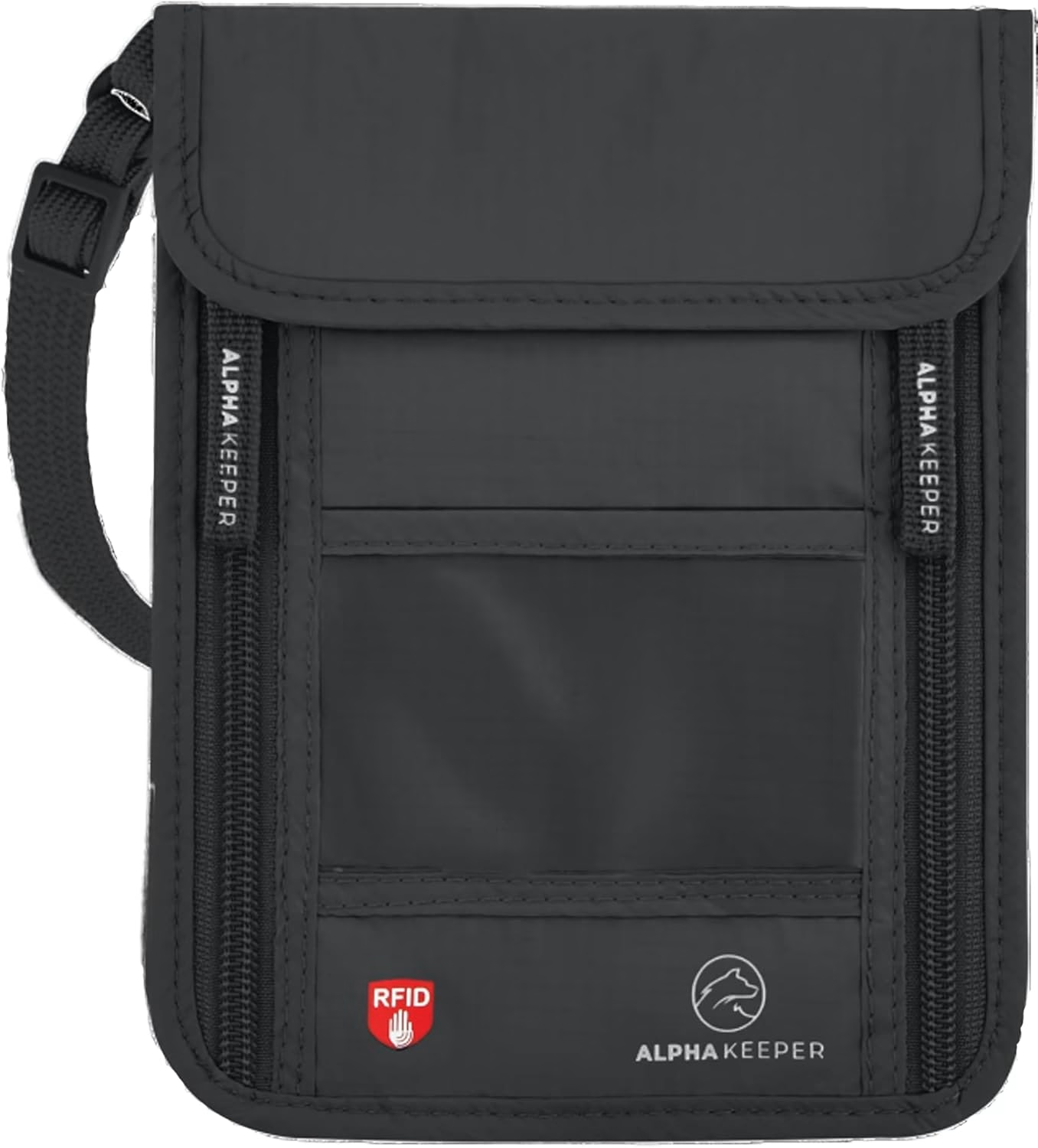
Cebu City is less chaotic than Manila but the Carbon Market area and the Mactan-Cebu International Airport arrivals hall are classic 'fresh target' zones where travelers are jet-lagged, disoriented, and still carrying everything they own in an accessible bag. The airport taxi queue scam — where a 'helpful' stranger insists on handling your luggage — often ends with a bag rifled before you notice. On Mactan island's resort strip, beach theft is the main event: wallets and phones left on sun loungers disappear in minutes. A neck wallet worn into the water isn't practical, but the Dark Grey RFID Neck Wallet is thin enough (approximately 6mm flat) to stay on under a rash guard or light shirt during resort walks, and its zip closure means no accidental spills. For beach days specifically, divide your valuables: leave your passport locked in the hotel safe and carry only a day's cash in a slim sleeve tucked into a waterproof pouch.
Boracay: The Beach Paradise With a Pickpocket Problem
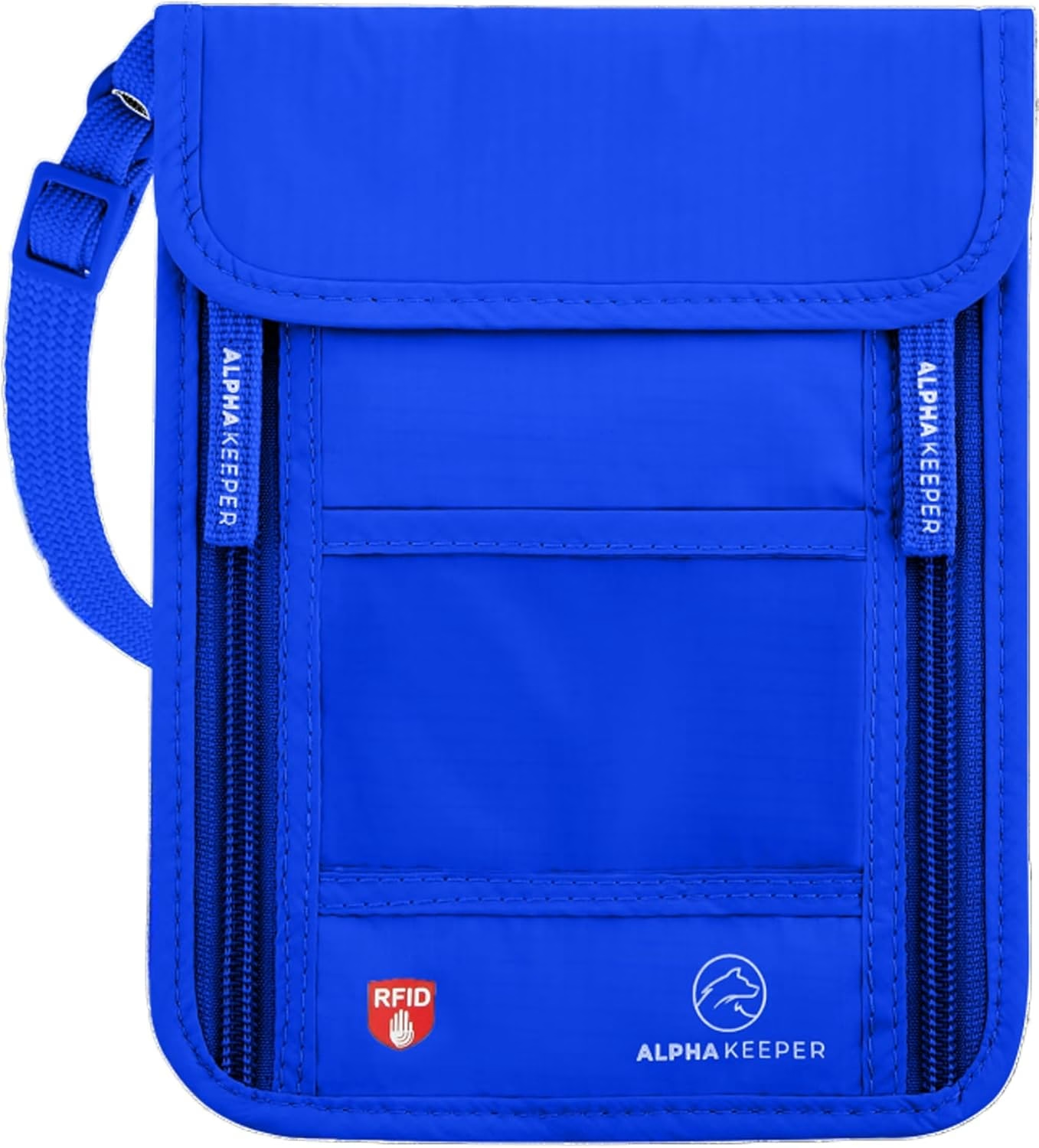
Boracay's White Beach is one of the most photographed strips of sand on earth, and it draws crowds that make D'Mall's narrow lanes feel like a Tokyo subway at peak hour — which is exactly the environment where distraction theft thrives. The 2026 tourist season has seen a record influx of South Korean and Chinese visitors, and local authorities have acknowledged increased petty theft reports in Stations 1 through 3. The specific Boracay threat is the 'photo request' distraction: someone engages you for a selfie while an accomplice slides a hand into your bag. Wearing an Azure RFID Money Belt under your swimsuit cover-up — or a Blue RFID Neck Wallet under a loose linen shirt — means there is literally nothing accessible to steal. Keep a small amount of PHP (Philippine pesos) in a front pocket for beach vendors; everything else stays concealed and RFID-shielded.
RFID Skimming in the Philippines: Real Threat or Overhyped?
Here is the honest take: opportunistic RFID skimming in the Philippines is a real and growing threat, not a marketing myth, but it is still less common than old-fashioned pickpocketing. That said, the risk-versus-cost calculation is straightforward — an RFID sleeve set costs less than a single unauthorized transaction, and protection is passive (you do nothing extra once it is in your wallet). The MultiColor RFID Sleeve Set is ideal for travelers who use multiple cards from different banks: color-coding by sleeve means you pull the right card first try without fumbling, which itself reduces exposure time in public. The Fiber RFID Sleeve Set offers a more premium textile feel that slides cleanly in and out of a slim wallet, while the Retro RFID Sleeve Set suits travelers who carry a leather cardholder and want a sleeve that looks intentional rather than tacked-on. All block 13.56 MHz signals, the frequency used by Visa payWave, Mastercard PayPass, and Philippine transit cards.
The Right Setup for Each Destination: A Practical Breakdown
For Manila (urban, high transit use): wear a money belt under your clothing at all times in public, use RFID sleeves on every contactless card, and carry a decoy wallet with a small amount of cash — if you are targeted by a grab-and-run, the decoy absorbs the loss. For Cebu (mix of city and resort): a neck wallet is the more versatile choice because it transitions smoothly from a business shirt to a beach cover-up without requiring you to change your concealment strategy. For Boracay (beach-dominant): the money belt wins because it sits below the waistband and stays put during physical activity; the Silver RFID Money Belt and Beige RFID Money Belt are both light-colored options that disappear under white or beige resort wear without showing through. Across all three destinations, the rule is the same: your passport and backup card never leave your body in a bag — they live against your skin, shielded and undetectable.
Honest Comparison: Alpha Keeper vs. Generic Airport Travel Belts
Generic money belts sold at airport shops or budget travel stores typically use a single layer of nylon with no verified RFID shielding — they are essentially a pouch on a string. Alpha Keeper's belts use a dedicated metallic-fiber RFID-blocking layer tested to block 13.56 MHz and 125 kHz signals, the two frequencies relevant to modern payment cards and some older passports. The cut also matters: cheap belts tend to be thick and rectangular, which creates a visible ridge under a shirt that signals 'money belt here' to anyone watching. Alpha Keeper's slim profile (under 8mm compressed) keeps the secret actually secret. The zipper quality is another differentiator — generic belts use coil zips that fail after 60–80 open/close cycles, roughly two weeks of daily travel use, while Alpha Keeper uses heavier-gauge zippers rated for sustained daily use.
Currency, Cards & ATMs: The Logistics of Staying Safe
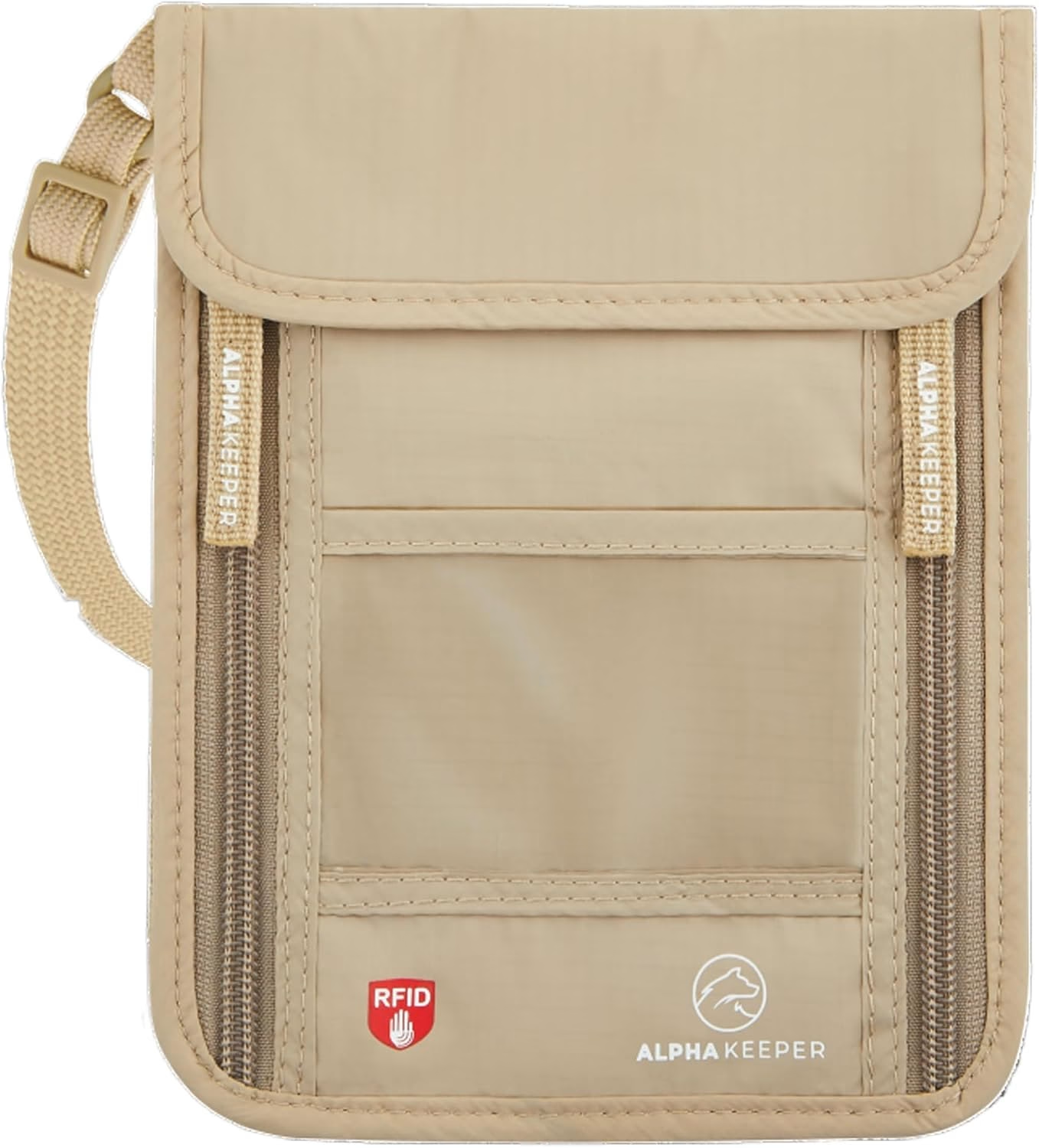
In 2026, the Philippine peso (PHP) remains the only accepted currency at most local markets, tricycle fares, and smaller restaurants — USD is not widely accepted outside tourist hotels despite what some older travel guides suggest. Withdraw pesos from BancNet-affiliated ATMs inside malls (SM, Ayala, Robinsons) rather than standalone street ATMs, which carry higher skimming risk. Withdraw larger amounts less frequently to minimize ATM exposure: PHP 10,000 (roughly USD 170) at a time is a practical working amount for 3–4 days of mid-range travel. When you do carry a meaningful amount of cash, it goes straight into your money belt or neck wallet — not a daypack side pocket. The Beige RFID Neck Wallet (which also includes two luggage tags, genuinely useful for Cebu domestic connections) has a dedicated cash compartment that lies flat even when holding folded PHP 1,000 notes.
Frequently Asked Questions
Is RFID skimming actually a problem in the Philippines in 2026?
Yes, though pickpocketing remains more common. BSP data shows contactless card fraud rose 38% between 2024 and 2026. RFID-blocking sleeves or a shielded money belt cost under $15 and provide passive, permanent protection — the cost-benefit case is clear even if your personal risk is modest.
Where should I keep my passport in Manila, Cebu, and Boracay?
Against your body at all times in urban areas and transit hubs. A flat RFID money belt worn under your clothing is the safest option. At beach resorts like Boracay, lock your passport in the hotel safe and carry only a photocopy plus your daily cash in a concealed neck wallet.
What is the safest way to carry money on Boracay Beach?
Wear an RFID money belt under your swimsuit cover-up and put only a small amount of PHP in a front pocket for vendor purchases. Never leave cash, cards, or your phone unattended on a sun lounger — beach theft at Boracay's White Beach is fast, practiced, and increasingly reported in 2026.
Ready to upgrade?
Start your Philippines trip with real protection: the Black RFID Travel Money Belt | Hidden Travel Gear sits invisibly under any outfit, blocks electronic skimming, and keeps your passport and cards body-close whether you are navigating Manila's MRT or walking Boracay's White Beach — grab yours at Alpha Keeper before you fly.