In peak summer 2026, Dubrovnik's Old Town hosts over 10,000 cruise passengers per day on a street barely 300 meters long — and pickpockets know the math better than you do. The Stradun isn't just the world's most beautiful limestone promenade; it's one of Europe's most target-rich environments for theft.
Dubrovnik and Split rank among Croatia's highest-risk cities for tourist theft in 2026, particularly in crowded Old Town areas and ferry terminals. Keep cash and cards in an RFID-blocking neck wallet or money belt worn under clothing — never in a back pocket or outer bag. Divide funds across two locations.
How Bad Is Pickpocketing in Dubrovnik & Split Really?
Bad enough to plan for it before you land. Croatia's tourist crime statistics consistently show Dubrovnik and Split as the top two cities for opportunistic theft — with the Stradun, Pile Gate entrance, Diocletian's Palace, and Split's Riva promenade named repeatedly in traveler incident reports. The method is almost always the same: a bump, a distraction (dropped map, fake argument, selfie request), and your back pocket or open shoulder bag is cleaned in under three seconds. What makes Croatia slightly trickier than, say, Paris is the heat — 35°C July days make you want to dress light and carry less, which often means less secure pockets and more visible wallet bulge. RFID skimming adds a second layer of risk: contactless card theft via concealed readers in dense crowds is a documented and growing threat across Adriatic tourist hubs.
Neck Wallet vs. Money Belt: Which Is Right for Croatia?
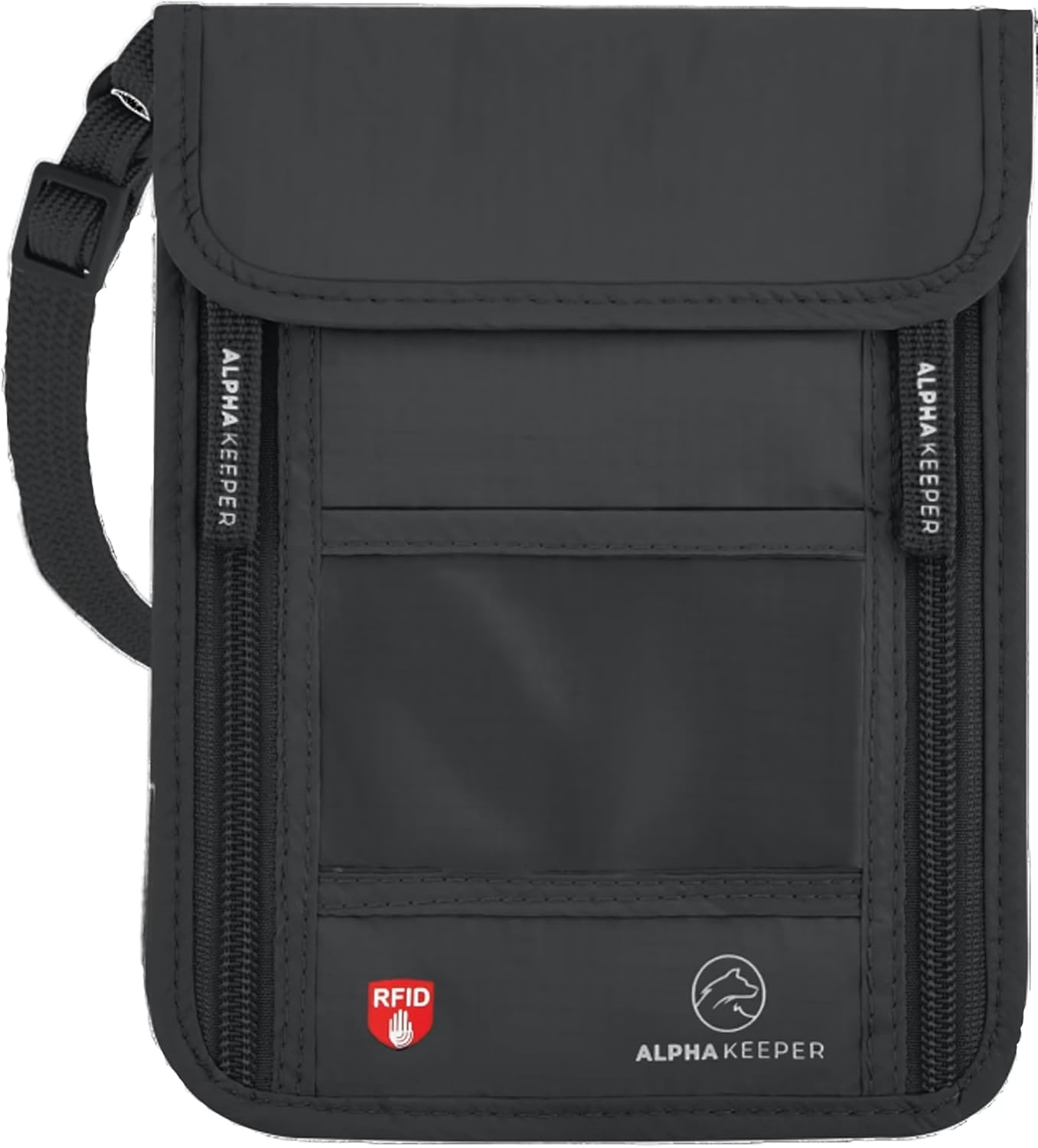
Here's the honest answer: it depends on your itinerary. If you're doing beach days at Banje Beach or island-hopping to Hvar and Korčula, a slim neck wallet worn under a T-shirt or swimwear cover-up is the more comfortable daily option — it moves with you, survives a boat ride, and never needs to come off when you sit down. The Dark Grey RFID Neck Wallet is a standout choice here: it's slim enough to disappear under a linen shirt, holds a passport, four cards, and folded euro notes, and the RFID-blocking lining blocks 13.56 MHz contactless skimming cold. For travelers doing longer city days — walking Dubrovnik's walls (a 2km loop in direct sun), climbing Split's bell tower, navigating bus stations with luggage — the Azure RFID Money Belt worn under clothing at the waist is harder to access and harder to spot, making it the better anti-pickpocket option when you're stationary in crowds. Use both if you can: money belt for your passport and emergency cash, neck wallet for the day's spending money.
RFID Protection in Croatia: Is It Actually Necessary in 2026?
Skeptics will tell you RFID skimming is overblown — and they're not entirely wrong about the Hollywood version. But in 2026, the real-world risk in dense European tourist corridors has been documented enough that dismissing it entirely is naive. Croatian ferry queues, Dubrovnik's narrow side streets, and Split's Green Market are exactly the conditions — tight proximity, distracted tourists, no personal space — where a concealed NFC/RFID reader can ping a modern contactless card without touching your bag. The good news: blocking it is trivially easy. RFID sleeves like the Colorful RFID Sleeve Set use a multi-layer metallic fabric construction that creates a Faraday cage around each card, blocking signals at both 125 kHz (older key fobs) and 13.56 MHz (modern Visa/Mastercard contactless). At under $15 for a full set, the cost-to-protection ratio makes this a no-brainer addition to your Croatia packing list.
The Smartest Way to Carry Money in Croatia: A Practical System
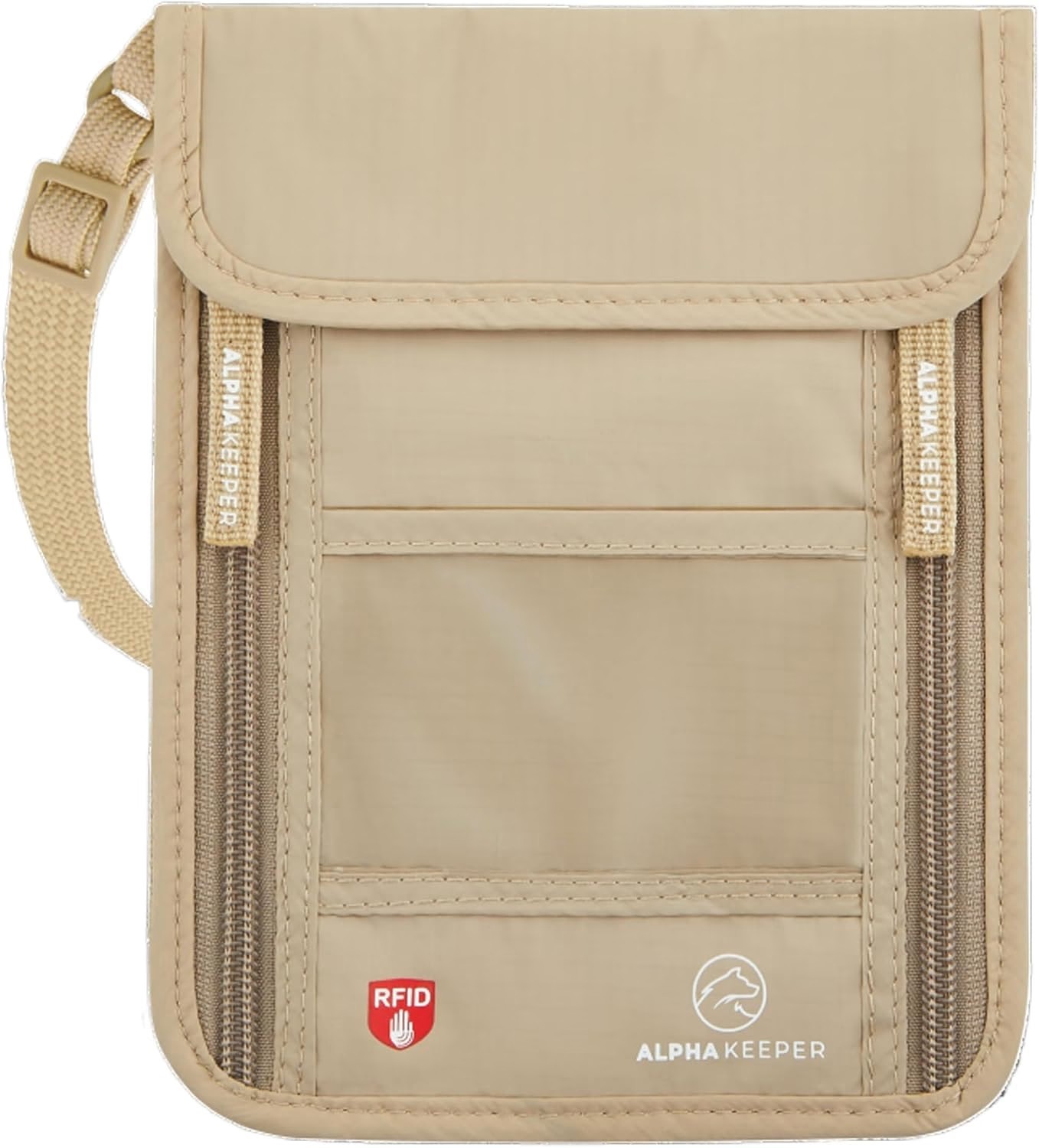
Don't carry everything in one place — this is the single most valuable piece of advice in this article. Here's a field-tested three-layer system: Layer 1 is your money belt under your clothes (passport, backup card, emergency €100 in cash — untouchable unless you choose to access it). Layer 2 is a neck wallet for your day's budget — enough for lunch, entry fees, and one souvenir splurge, maybe €60-80. Layer 3 is a small amount in a front-pocket decoy wallet — if you're bumped or feel pressure, you can hand over €10 and lose nothing critical. Croatia is largely a cash-friendly country but Split and Dubrovnik's tourist zones accept cards widely; still, smaller konoba restaurants, market vendors, and island ferries often prefer kuna-era habits — bring euros in small denominations. The Beige RFID Neck Wallet is particularly well-suited to this system because it includes two luggage tag slots alongside the main compartment, making it a genuinely multi-purpose travel organizer.
What to Actually Watch Out For: Croatia's Real Theft Scenarios
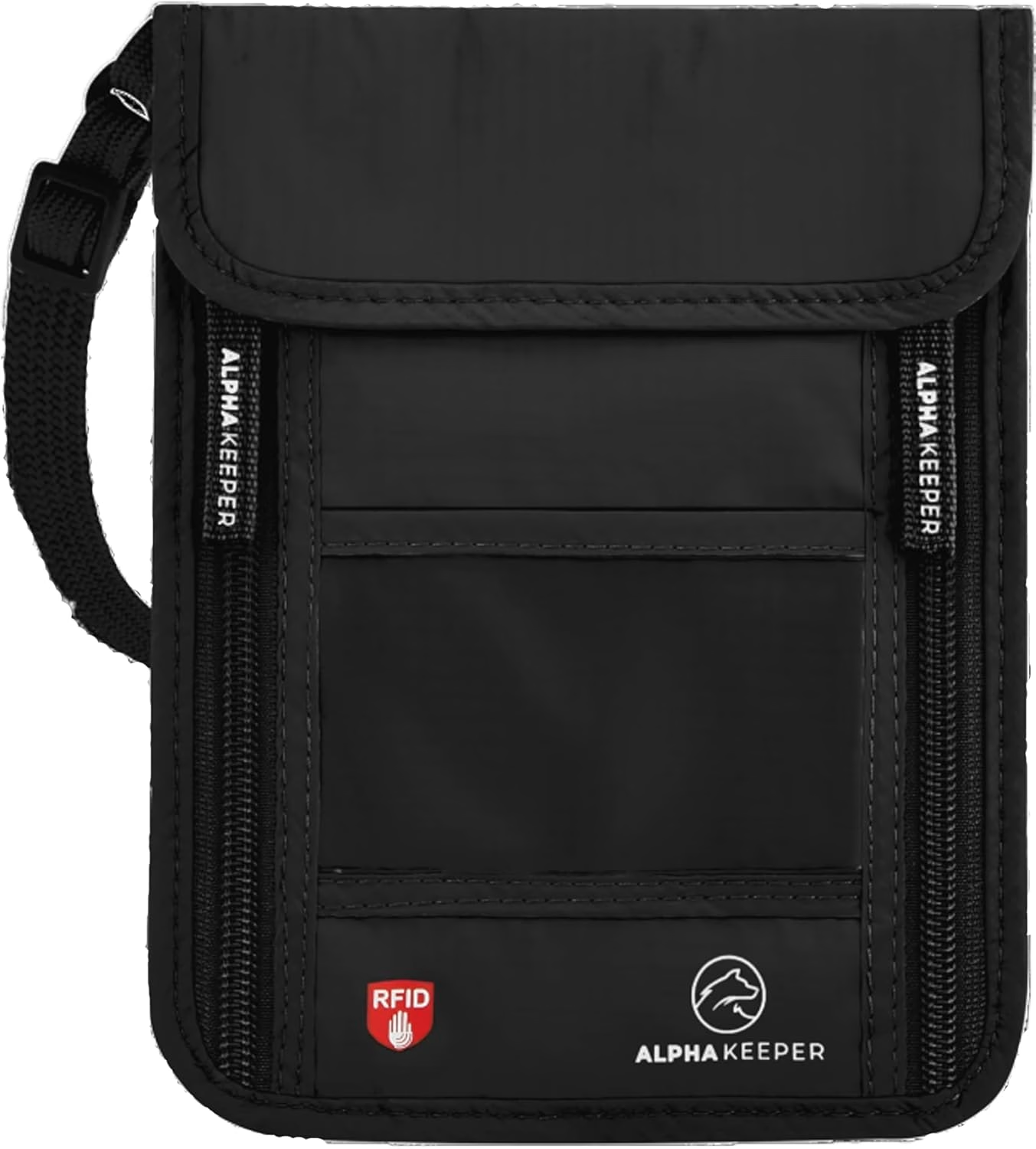
Scenario one: the Stradun crush. Cruise ships dock between 9am and 6pm, and the Old Town gates funnel 10,000+ people into a space designed for hundreds — this is when jacket-on-arm thieves work best. Scenario two: the ferry terminal at Split's Trajektna luka. Waiting in line with luggage, distracted by announcements in Croatian — your outer bag pocket is accessible for a full two minutes without you noticing. Scenario three: restaurant overflow seating on Diocletian's Palace steps — bags hung on chairs are a classic snatch-and-run target, especially at dusk. Scenario four: the 'friendship bracelet' approach near the Pile Gate, common since at least 2022 and still active in 2026 based on traveler forums — a forced interaction on your wrist while a partner works your pockets. In every one of these scenarios, valuables worn against your body — inside a Black RFID Neck Wallet or tucked under your shirt in a Blue RFID Money Belt — simply cannot be reached.
Frequently Asked Questions
Is Dubrovnik safe for tourists in 2026?
Yes — Dubrovnik is safe in the sense that violent crime against tourists is rare. However, opportunistic pickpocketing in the Old Town, especially along the Stradun and at Pile Gate, is a genuine and frequent risk during peak season (June–September). Wearing a hidden money belt or RFID neck wallet eliminates most of that risk entirely.
Do I need RFID protection for my cards in Croatia?
It's a low-cost, high-value precaution worth taking. RFID skimming via concealed readers in dense crowds has been documented in Croatian tourist hotspots. An RFID sleeve set or RFID-blocking wallet creates a Faraday cage around your cards, blocking contactless signals completely — for under $15, there's no sensible reason to skip it.
Should I use a money belt or neck wallet in Croatia?
Use both if possible: a money belt for your passport and emergency cash on heavy-crowd city days, and a neck wallet for daily spending money during beach and island days. If you're choosing just one, a slim RFID neck wallet is more comfortable in Croatia's heat and works seamlessly under lightweight summer clothing.
Ready to upgrade?
Ready to travel Croatia without the anxiety? The Dark Grey RFID Neck Wallet was built exactly for this — slim, secure, RFID-blocked, and invisible under a linen shirt on the Stradun. Grab yours at Alpha Keeper before your flight.