Ski resort theft is more sophisticated than a grab-and-run — thieves specifically target lodge lockers, gondola lift lines, and apres-ski bars where bulging jacket pockets are impossible to miss. In 2026, with contactless card skimming equipment shrinking to the size of a smartphone, standing in a lift queue is enough to get your card cloned.
To protect valuables on a ski trip, wear an RFID-blocking neck wallet or slim money belt under your base layer — not in your jacket pocket or locker. Keep only a day's spending cash accessible, store your passport and backup card against your body, and never leave valuables unattended in a rental boot room or lodge cubby.
Why Ski Resorts Are a Pickpocket's Playground (And Why Most Skiers Don't Know It)
Interpol's tourism crime briefings consistently flag Alpine resort towns — Chamonix, Zermatt, Whistler, Vail — as high-opportunistic-theft zones, especially during peak season when lodges are packed and inhibitions are loosened by altitude and apres-ski drinks. The average theft at a ski resort involves unattended gear bags or jacket pockets left on chairs while victims hit the buffet line — a 45-second window is all a professional needs. What's newer and nastier in 2026 is electronic skimming: RFID readers disguised as ordinary phones can pull card data from up to 10 cm away through a ski jacket. The combination of physical distraction and electronic theft makes ski trips a genuinely two-front security problem. Most skiers are so focused on avalanche safety and equipment checks that wallet security doesn't cross their mind until it's too late.
The Core Rule: Keep It On Your Body, Not In Your Jacket
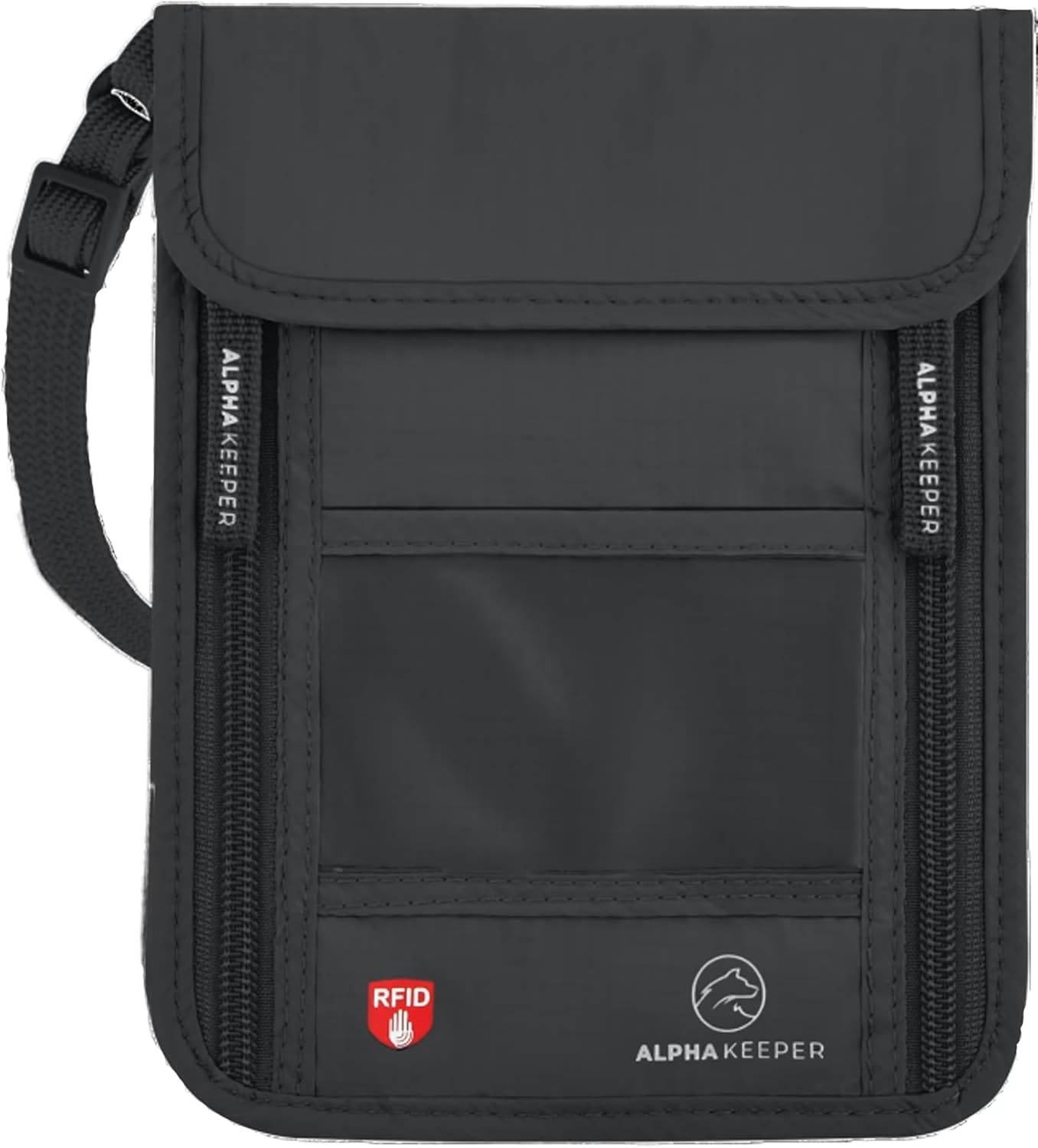
Ski jacket pockets are designed for lip balm and lift passes, not for your passport and emergency credit card — the zipper is accessible to anyone standing behind you on a chairlift. The solution is dead simple: move valuables to a layer you can't remove without undressing. A neck wallet worn under your thermal base layer sits completely invisible, stays warm against your skin (no frozen credit cards), and requires a thief to physically get through your jacket AND your mid-layer to reach it. The Alpha Keeper Dark Grey RFID Neck Wallet fits a passport, two cards, folded cash, and a SIM card in a slim profile that doesn't bulk up under a ski suit — its ripstop nylon shell handles sweat from a full day on the mountain without degrading. For skiers who find neck wallets uncomfortable under tight base layers, the Azure RFID Money Belt sits around the waist under the first layer and is equally invisible.
RFID Blocking on the Mountain: Is It Actually Necessary?
Yes — and 2026 is the year to stop treating this as paranoia. Modern contactless payment cards and e-passports broadcast on 13.56 MHz, a signal that cheap commercially available RFID scanners can intercept in a crowded gondola or at an apres-ski bar. A criminal doesn't need to touch you; they need proximity and two seconds. RFID-blocking technology works by sandwiching a layer of metallic fabric (typically aluminum-copper composite) between the card and the reader, creating a Faraday cage that kills the signal — properly rated sleeves and wallets block 13.56 MHz completely. Slipping each card into a sleeve from the Fiber RFID Sleeve Set adds essentially zero bulk and zero weight, making it the easiest security upgrade a skier can make before departure. The Multicolor RFID Sleeve Set is a smart choice for family ski trips where you're managing cards for multiple people — color-coding eliminates fumbling at the ticket window.
Locker vs. Body: The Honest Trade-Off
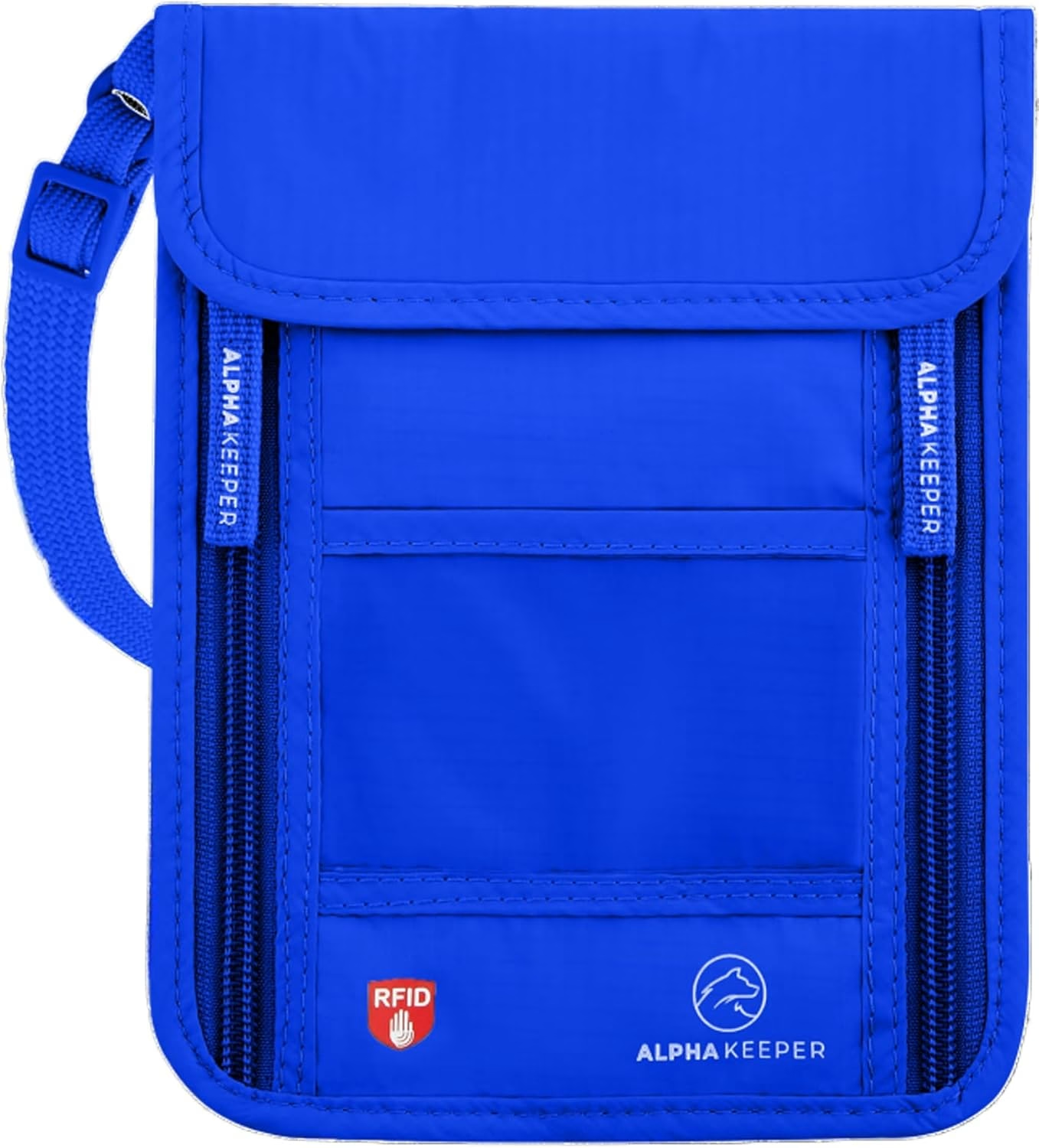
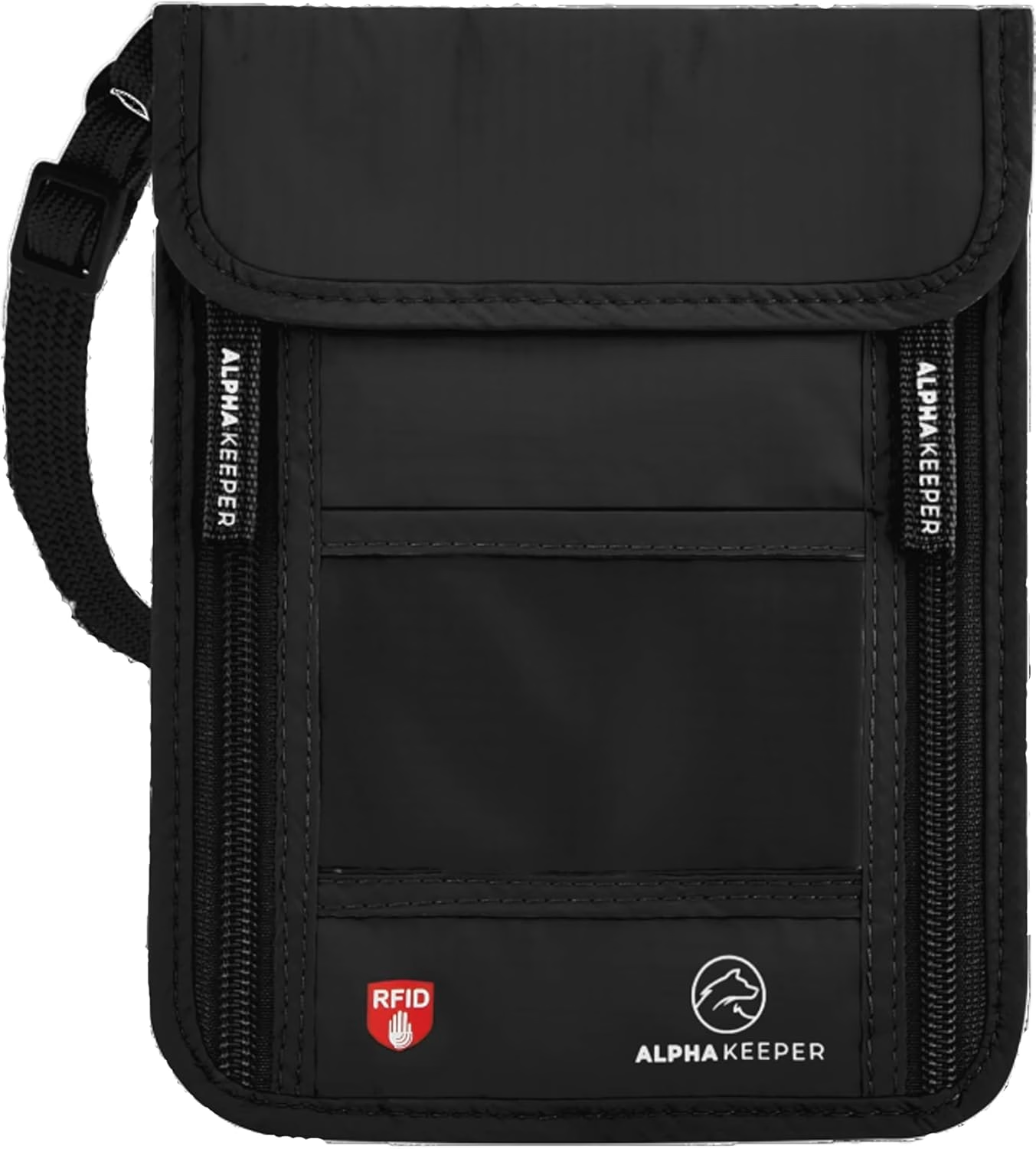
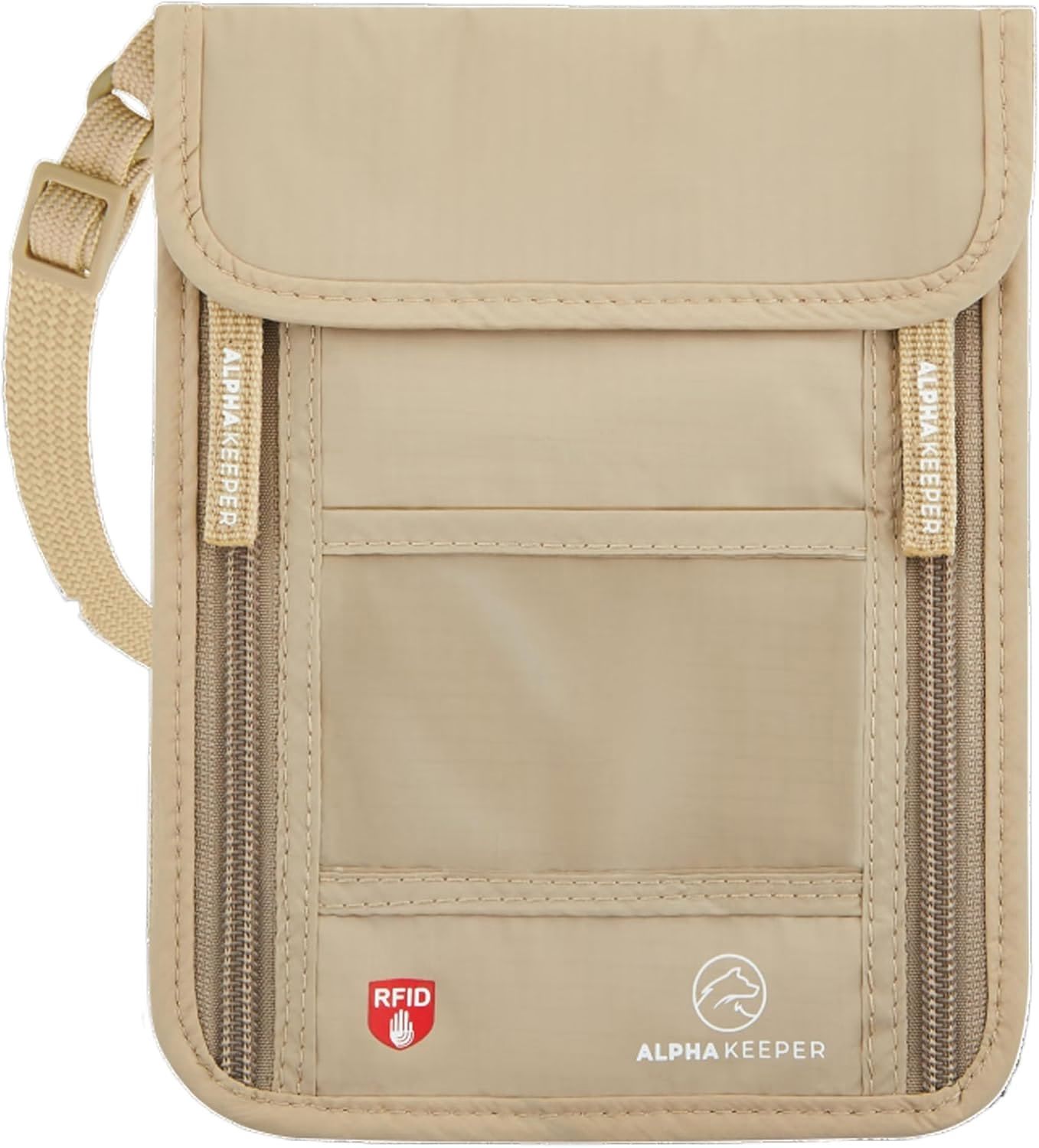
Resort lockers feel secure but they're not impenetrable — padlock shimming and master-key social engineering are documented theft methods at major Alpine resorts, and your recourse after a locker theft is essentially zero because resorts post liability disclaimers everywhere. Carrying valuables on your body eliminates the locker risk entirely but adds minor inconvenience: you need a slim, body-hugging carrier so it doesn't shift during moguls or restrict movement. The honest answer is a hybrid approach — use the locker for bulky items like your hydration pack and extra gloves, but keep your passport, all payment cards, and emergency cash on your body in an RFID neck wallet. The Blue RFID Neck Wallet and Black RFID Neck Wallet both have a reinforced anti-slash strap that won't snap under tension — relevant if you take a hard fall and catch yourself awkwardly. For passport-specific storage, the Beige RFID Neck Wallet includes two luggage tag holders, which is genuinely useful when you're checking ski bags on flights.
What to Actually Carry vs. Leave at the Hotel Safe
On-body during skiing: one primary payment card, local cash for lunch and tips (€50–$60 maximum), your health insurance card, and your ID or passport if your destination country requires it. In the hotel safe: your second backup card, extra cash, non-travel documents, and your return flight e-tickets saved offline. This split means a worst-case theft scenario costs you one card and one day's cash — an annoyance, not a trip-ending disaster. Your lift pass is the one exception: most modern RFID lift passes are read-only and carry no financial data, so keeping it in an outer pocket is genuinely fine. Just don't store it in the same sleeve as your payment card, since the proximity can occasionally cause reader confusion at the lift gate.
Gear Comparison: RFID Neck Wallet vs. Generic Zippered Jacket Pocket
The comparison is almost unfair but worth spelling out clearly because most skiers default to the jacket pocket out of pure habit. An RFID neck wallet worn under base layers is invisible to external observers, electronically shields cards against skimming, stays on your body regardless of what you remove at the lodge, and costs under $25 — a fraction of what a single stolen card replacement and emergency cash wire transfer will set you back. A zippered jacket pocket offers easy access but zero RFID protection, is visible and accessible to anyone behind you on a lift, and gets left on a chair hook approximately once per ski trip. The only genuine advantage of the jacket pocket is one-handed retrieval speed at the lift gate — solved by keeping just your lift pass there while your real valuables ride under your layers.
Frequently Asked Questions
Can I wear an RFID neck wallet comfortably under a ski suit all day?
Yes — slim RFID neck wallets like the Dark Grey RFID Neck Wallet or Blue RFID Neck Wallet from Alpha Keeper are designed to lie flat against your chest under base layers. The ripstop nylon handles moisture from sweat, the profile is thin enough not to create pressure points, and the adjustable cord keeps it from shifting during dynamic movement on the slopes.
Do RFID-blocking card sleeves interfere with ski lift pass scanners?
No — if your lift pass is stored in its own pocket or slot, not physically inside an RFID sleeve. The blocking only works when the card is inside the sleeve. Keep your lift pass in a dedicated outer pocket slot and store your payment cards in separate RFID sleeves; they won't interfere with each other at that distance.
What's the biggest security mistake skiers make on the mountain?
Leaving a jacket — with wallet inside — hanging on a lodge chair while getting food or drinks. This is the single most common theft scenario at ski resorts worldwide. The fix is non-negotiable: move all financial valuables to an under-layer body wallet before you leave home, so your jacket contains nothing worth stealing.
Ready to upgrade?
Before your next run, move your cards and passport where no pickpocket can reach them — grab the Dark Grey RFID Neck Wallet and wear it under your base layer from day one of your ski trip.