A motorbike thief in Phnom Penh can snatch a bag in under two seconds — and Cambodian police report that bag-snatching incidents involving tourists rose again in 2026, with Riverside and Pub Street ranking as the country's two hottest theft corridors. The good news: a $20 piece of gear worn under your shirt stops the vast majority of it cold.
Cambodia's biggest money threats in 2026 are motorbike bag-snatching, pickpocketing in crowded temple complexes, and RFID skimming of contactless cards. The safest solution is a flat RFID-blocking money belt or neck wallet worn concealed under clothing, keeping your passport, backup cash, and main cards completely off-body reach.
The Real Threat Landscape: What Actually Happens to Tourists in Cambodia
Forget the dramatic Hollywood heist — most Cambodia theft is opportunistic and over in seconds. The classic Phnom Penh move: a motorbike with two riders cruises slowly beside a tuk-tuk; the passenger grabs the bag resting on the seat and they're gone before you register what happened. At Angkor Wat, the method shifts to distraction pickpocketing — a stranger 'accidentally' bumps you near the West Gate crowd while an accomplice lifts your front pocket. RFID skimming is the quieter threat: a scanner concealed in a pocket or bag can read unshielded Visa/Mastercard contactless data from roughly 5–10 cm away in a dense crowd like the Phnom Penh Night Market. The pattern is consistent: visible bags and exposed pockets are the target; items worn flat under clothing essentially don't exist to thieves.
Siem Reap & Angkor Wat: Specific Hotspots and How to Move Through Them Safely
Angkor Archaeological Park draws over 2 million visitors annually, and its narrow stone staircases, shoulder-to-shoulder sunrise crowds at Angkor Wat's reflecting pool, and busy Pub Street bar strips create perfect conditions for pickpockets. Pub Street itself — the 300-meter stretch between Sivatha Boulevard and the Night Market — is where most Siem Reap card-skimming and pickpocket reports originate in 2026. The practical rule: carry only the day's spending cash in a decoy front-pocket wallet (no more than $30 USD equivalent in Cambodian riel), and keep your passport, backup card, and main cash in a hidden money belt or neck wallet against your skin. At temple complexes, wear your neck wallet inside your shirt even during the heat — the sweat is worth it compared to the paperwork of a stolen passport 6,000 miles from home.
Phnom Penh: Why the Capital Demands a Tighter Setup
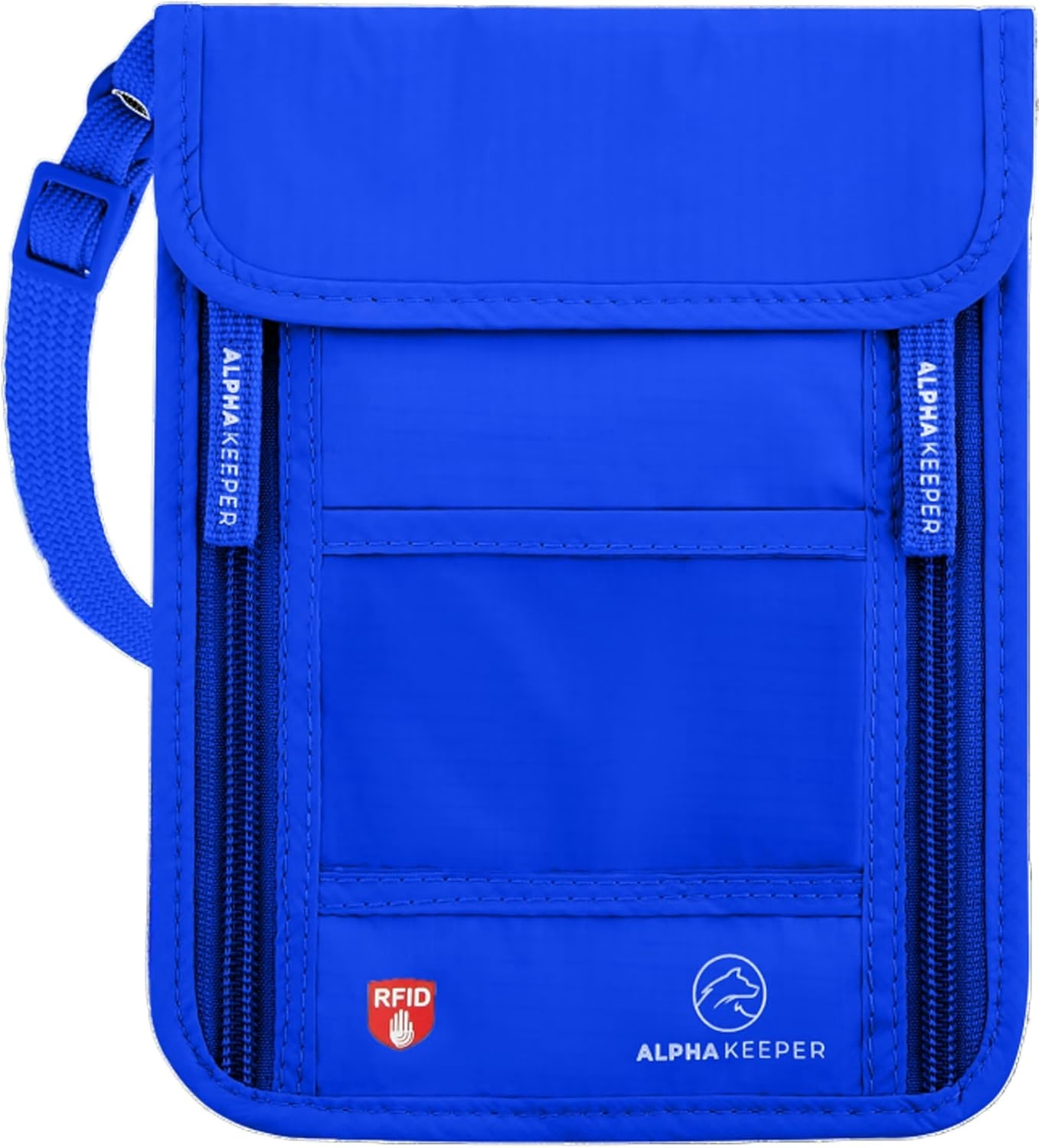
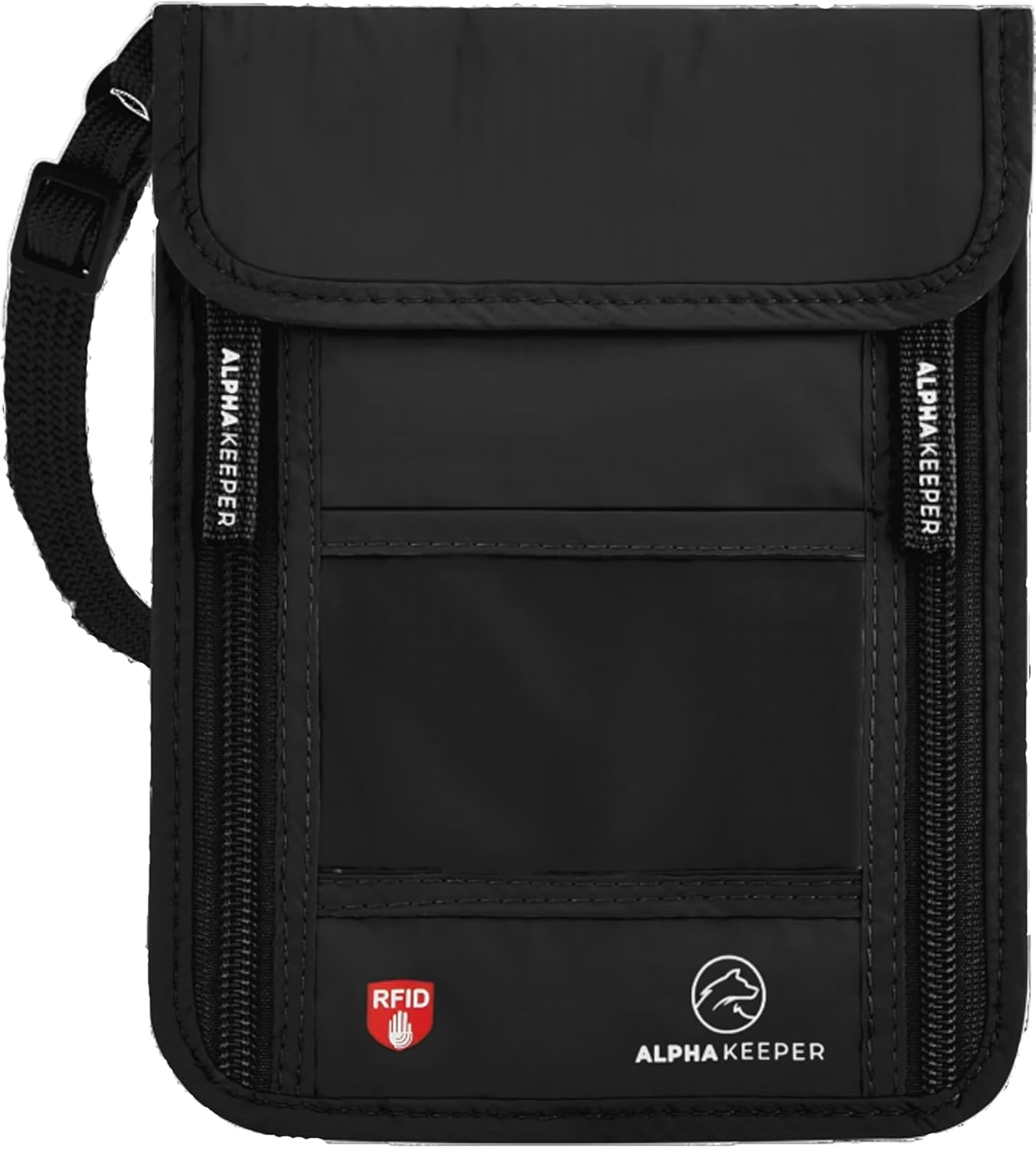
Phnom Penh is unambiguously Cambodia's highest-risk city for tourists. The Riverside Promenade (Sisowath Quay), the Russian Market, and the area around the Royal Palace all appear repeatedly in 2026 tourist-advisory warnings for bag-snatching. Tuk-tuk rides — the default tourist transport — are particularly vulnerable because bags sit on the open seat beside you. The smarter approach is a two-layer system: a neck wallet worn under your shirt holds your passport, one backup card, and your emergency cash reserve (aim for $200–300 USD equivalent); a separate, cheap decoy wallet in your pocket holds spending money. If you're forced to show a wallet, the decoy takes the hit. The Azure RFID Neck Wallet and the Black RFID Neck Wallet from Alpha Keeper both sit flat enough against the sternum that they're invisible under a standard cotton travel shirt — no telltale bulge that signals 'valuables here.'
RFID Skimming in Cambodia: Real Risk or Traveler Paranoia?
RFID skimming is lower-frequency than bag-snatching in Cambodia, but it's not zero — and the cost of a compromised card on a two-week trip is high enough that blocking it costs almost nothing. Modern contactless Visa and Mastercard chips broadcast on 13.56 MHz and can be read by a $30 off-the-shelf scanner in a dense crowd. Cambodia's Night Markets, busy ATM queues at Acleda and ABA Bank branches, and crowded border crossings (especially the Poipet land border) are the most plausible skimming environments. The simplest fix: slide each contactless card into an RFID-blocking sleeve before you leave home. The Fiber RFID Sleeve Set uses a multi-layer metallic fabric that blocks 13.56 MHz signals completely, adds about 0.8 mm per card, and fits in any existing wallet without a full gear overhaul. If you prefer a coordinated set with color coding (useful when you're fumbling for the right card in a busy market), the MultiColor RFID Sleeve Set gives you eight distinct colors — practical, not just pretty.
The Best Gear Setup for Cambodia: An Honest Comparison
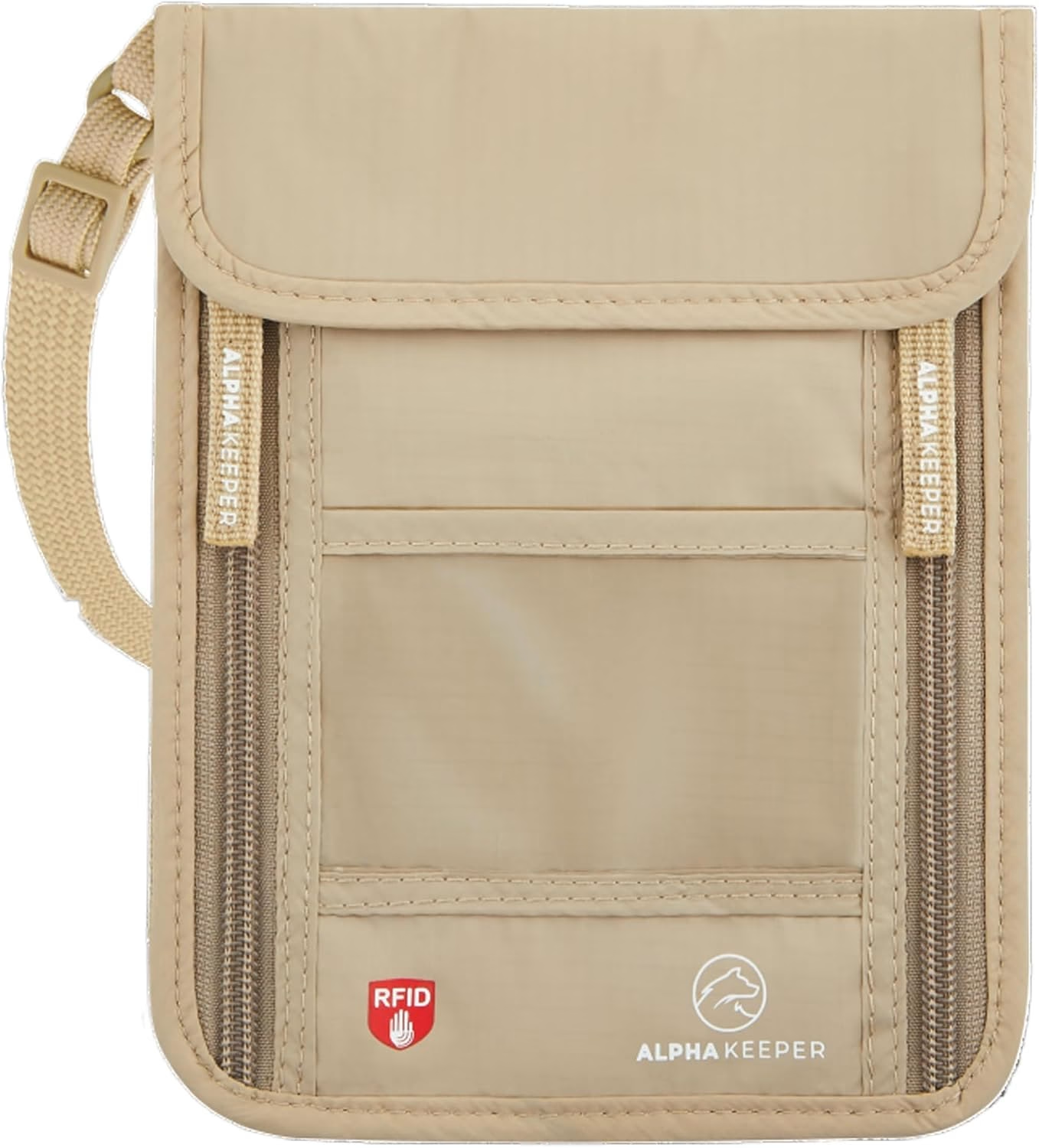
The two main concealed-carry options travelers compare are neck wallets and money belts — and they solve slightly different problems. A money belt like the Beige RFID Money Belt or the Black RFID Travel Money Belt sits at the waist under a waistband, making it truly invisible under any outfit including lightweight linen travel pants. The trade-off: accessing it requires relative privacy, so it's better for storing your passport and backup cash than for frequent daily transactions. A neck wallet like the Blue RFID Neck Wallet or the Beige RFID Neck Wallet hangs against your chest and is marginally faster to access discreetly — useful when you need to pull out your passport at an Angkor ticket checkpoint without performing a full wardrobe excavation. For most Cambodia trips, the winning combo is a neck wallet for documents plus RFID sleeves on your daily-use cards inside a slim front-pocket wallet: you get layered protection without sacrificing convenience in the heat.
Practical Money Management in Cambodia: The Numbers That Matter
Cambodia's economy is heavily USD-based — the US dollar is accepted (and often preferred) almost everywhere, with Cambodian riel used mainly for change below $1. ATMs dispense USD directly, and most tourist transactions are cash. Budget travelers typically need $50–80 USD per day in Siem Reap; Phnom Penh runs slightly higher. The smart split: keep no more than $40–50 in your accessible front pocket for any single outing, with the bulk secured in a concealed pouch. Notify your bank before departure (TD, Chase, and most major banks now allow this via app in under two minutes) and carry two cards — one on your person, one locked in your accommodation's safe. If your accommodation doesn't have a room safe, a money belt under your clothes beats a hostel locker every time.
Frequently Asked Questions
Is Cambodia safe for tourists in 2026?
Cambodia is safe for most tourists in 2026 when basic precautions are followed. Violent crime against foreigners is rare, but opportunistic theft — especially motorbike bag-snatching in Phnom Penh and pickpocketing near Angkor Wat — is genuinely common. Wearing a concealed RFID money belt or neck wallet under your clothing eliminates the vast majority of theft risk because your most important valuables simply aren't reachable.
Do I need RFID protection in Cambodia?
Yes, RFID protection is worth having in Cambodia. While bag-snatching is the more frequent threat, contactless card skimming is reported at busy markets, ATM queues, and border crossings. RFID-blocking sleeves add virtually no weight or bulk and cost under $15 — the trade-off for protecting your bank cards is essentially zero.
Where should I keep my passport in Cambodia?
Keep your passport in a concealed neck wallet or money belt worn under your clothing at all times when out exploring. Never leave it in a day bag or a tuk-tuk seat. At Angkor Wat you must present it at ticketing checkpoints, so a neck wallet worn under your shirt — accessible with one hand — is the most practical solution. Leave a certified copy in your accommodation safe as a backup.
Ready to upgrade?
Before your Cambodia flight, clip the Azure RFID Neck Wallet under your travel shirt and slide your cards into the Fiber RFID Sleeve Set — two minutes of setup that pickpockets and skimmers simply can't undo.