In 2026, pickpockets lifted an estimated $3.5 billion worth of cash and cards from tourists worldwide — and a growing share of that theft happened without a single hand touching a pocket, just a scanner quietly skimming your RFID-chipped cards from inches away. The right travel wallet stops both kinds of theft before your trip ever goes sideways.
The best travel wallet for 2026 blocks RFID signals, sits hidden against your body, and carries your passport, cards, and cash without bulk. Top picks are neck wallets for all-day wear, money belts for urban crowds, and RFID card sleeves for minimalists who don't want to rethink their existing wallet.
Why Your Everyday Wallet Is a Liability Abroad
A standard bifold sitting in your back pocket is essentially an open invitation in any busy European train station, Southeast Asian market, or Latin American bus terminal. Contactless card fraud via RFID skimmers has surged alongside the global rollout of tap-to-pay infrastructure — criminals use handheld readers that can pull card data through denim in under a second. Beyond electronic theft, physical pickpocketing still peaks in tourist corridors: Barcelona's Las Ramblas, Rome's Colosseum queues, and Bangkok's Chatuchak Market top global incident reports year after year. The fix isn't paranoia — it's architecture: put your valuables somewhere a thief can't reach, and block the signals they can scan. The best travel wallets do both simultaneously, often weighing under two ounces.
RFID Blocking: What It Actually Does (and What It Doesn't)
RFID blocking means the wallet's lining contains a metallic mesh — typically aluminum or carbon fiber — that forms a Faraday cage around your cards, preventing 13.56 MHz signals from passing through. That covers the frequency used by modern credit cards (Visa payWave, Mastercard contactless), debit cards, and biometric passports. It does not block magnetic stripe data, which requires physical contact to steal anyway, so you're not losing any real protection by using a sleeve. Lab tests show quality RFID sleeves reduce signal strength to zero at the card surface; cheap ones with thin foil can still leak at close range. Alpha Keeper's Fiber RFID Sleeve Set uses a layered carbon-fiber-weave lining that independently tests at full 13.56 MHz blocking — it's one of the few sleeve sets where the material actually matches the marketing claim.
Neck Wallet vs. Money Belt vs. Card Sleeve: Which Is Right for You?
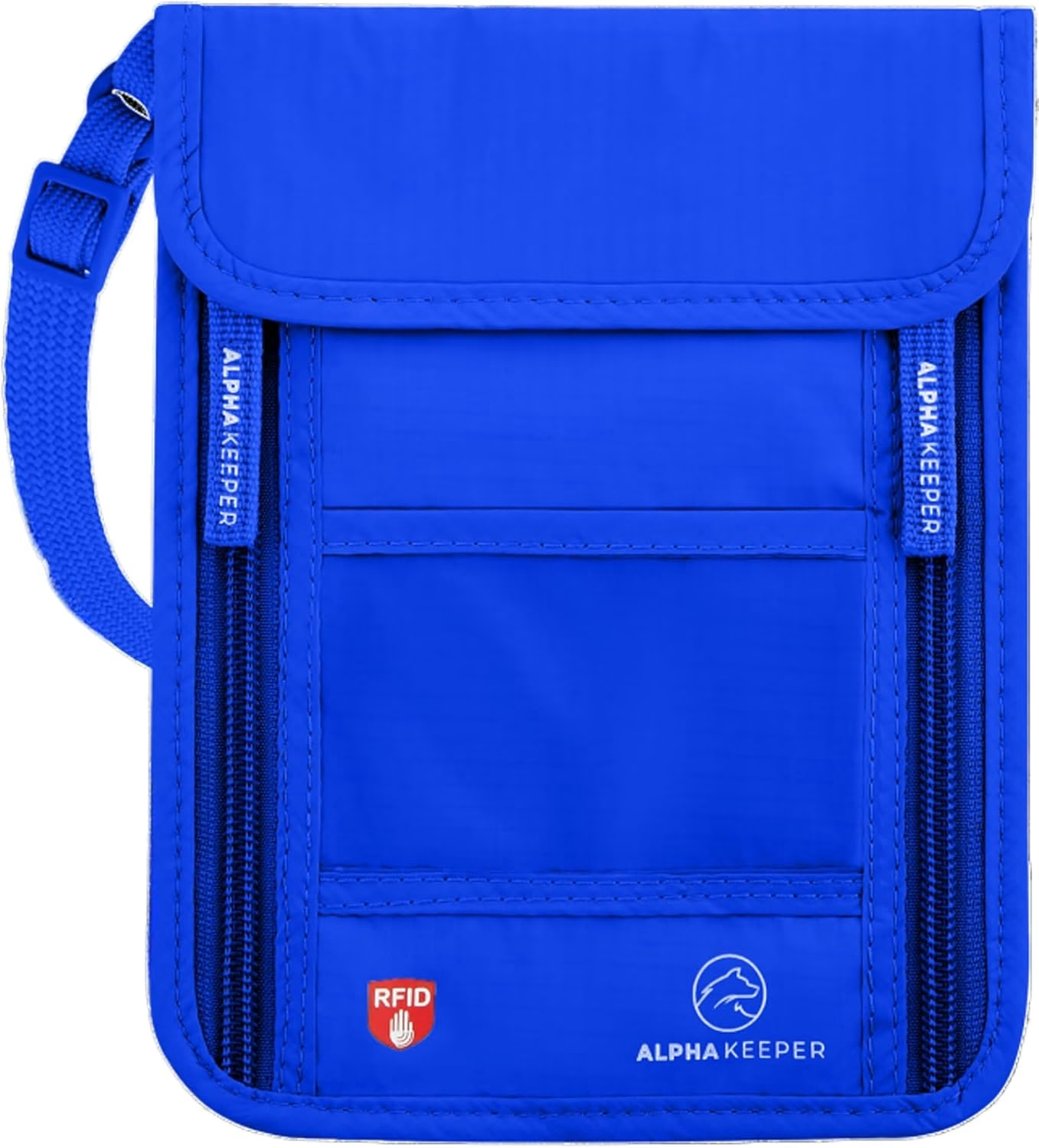
Neck wallets hang under your shirt on an adjustable cord and are ideal for travelers who need passport access at borders without digging through bags — the Blue RFID Neck Wallet, for example, holds a passport flat plus four cards and folds to about 5.5 × 4 inches, flat enough to disappear under a light shirt. Money belts wrap around your waist beneath clothing and are the gold standard for crowded urban environments where even a cord could theoretically be grabbed; the Black RFID Travel Money Belt | Hidden Travel Gear sits flush against the skin and holds folded bills, a passport, and cards in separate zippered compartments. RFID card sleeves like the Multicolor RFID Sleeve Set are the minimalist option — you keep your existing slim wallet, just swap your cards into blocking sleeves and carry only what you need that day. The honest trade-off: neck wallets and money belts are more secure but require a bathroom trip to access; sleeves are convenient but depend on the outer wallet's physical security.
The Honest Comparison: Alpha Keeper Neck Wallet vs. Generic Travel Pouches
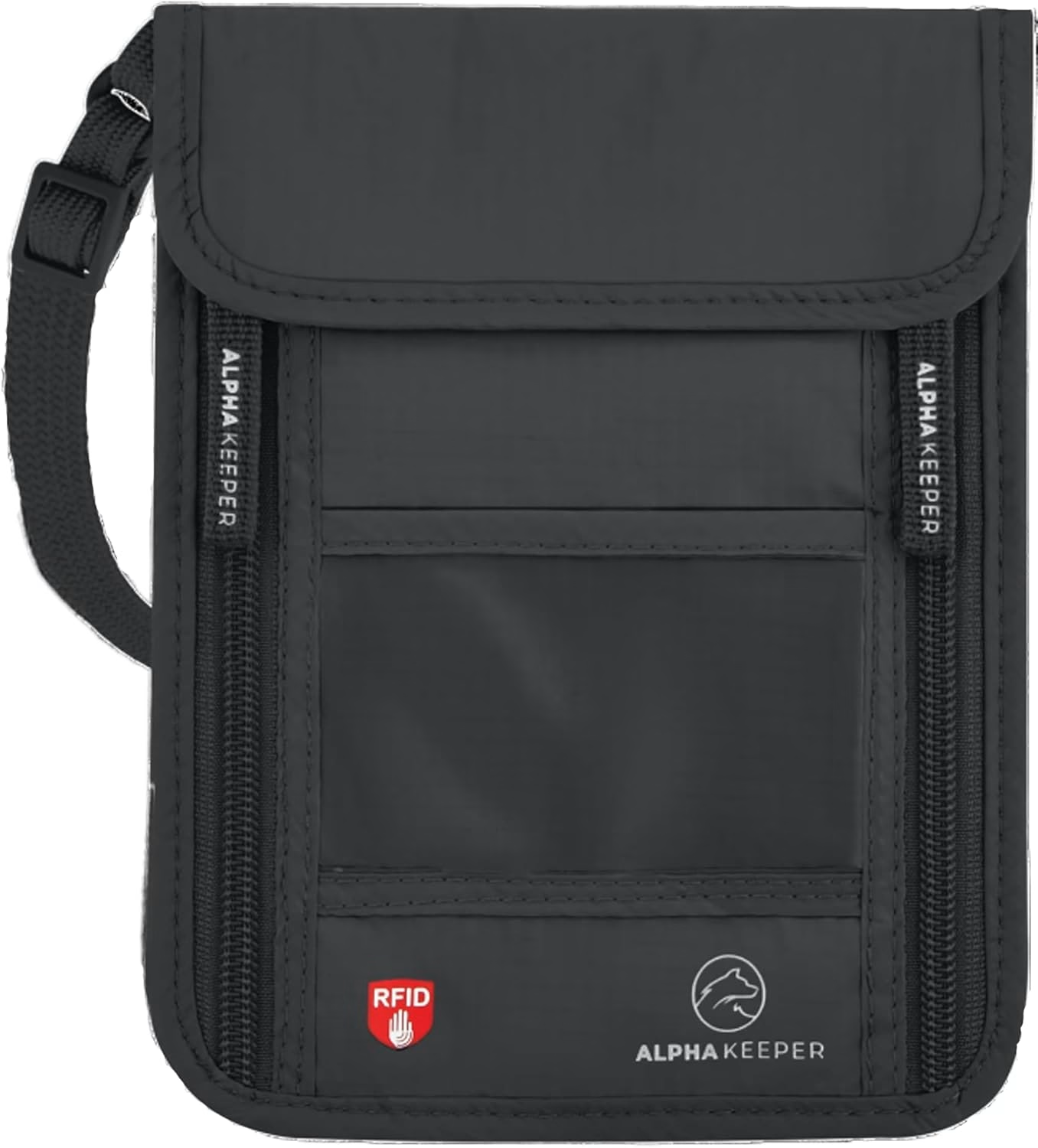
Generic travel pouches sold on mass marketplaces often advertise RFID blocking but use single-layer foil that degrades after a few wash cycles and tears at the zipper seams within months. Alpha Keeper's Dark Grey RFID Neck Wallet uses reinforced nylon with a water-resistant outer shell and a bonded aluminum-mesh inner lining that maintains blocking integrity through repeated machine washes. The cord is cut-resistant paracord — not the nylon ribbon you get on most budget options — which matters if someone tries the slash-and-grab technique common in Naples and Lisbon tourist zones. At around $18–$22, it's not the cheapest option on the market, but it's priced well below the $60–$120 leather travel wallets that offer zero RFID protection and a lot of Instagram aesthetics. Pay once for something that works, or pay a deductible after it doesn't.
Best Travel Wallet Picks by Traveler Type in 2026
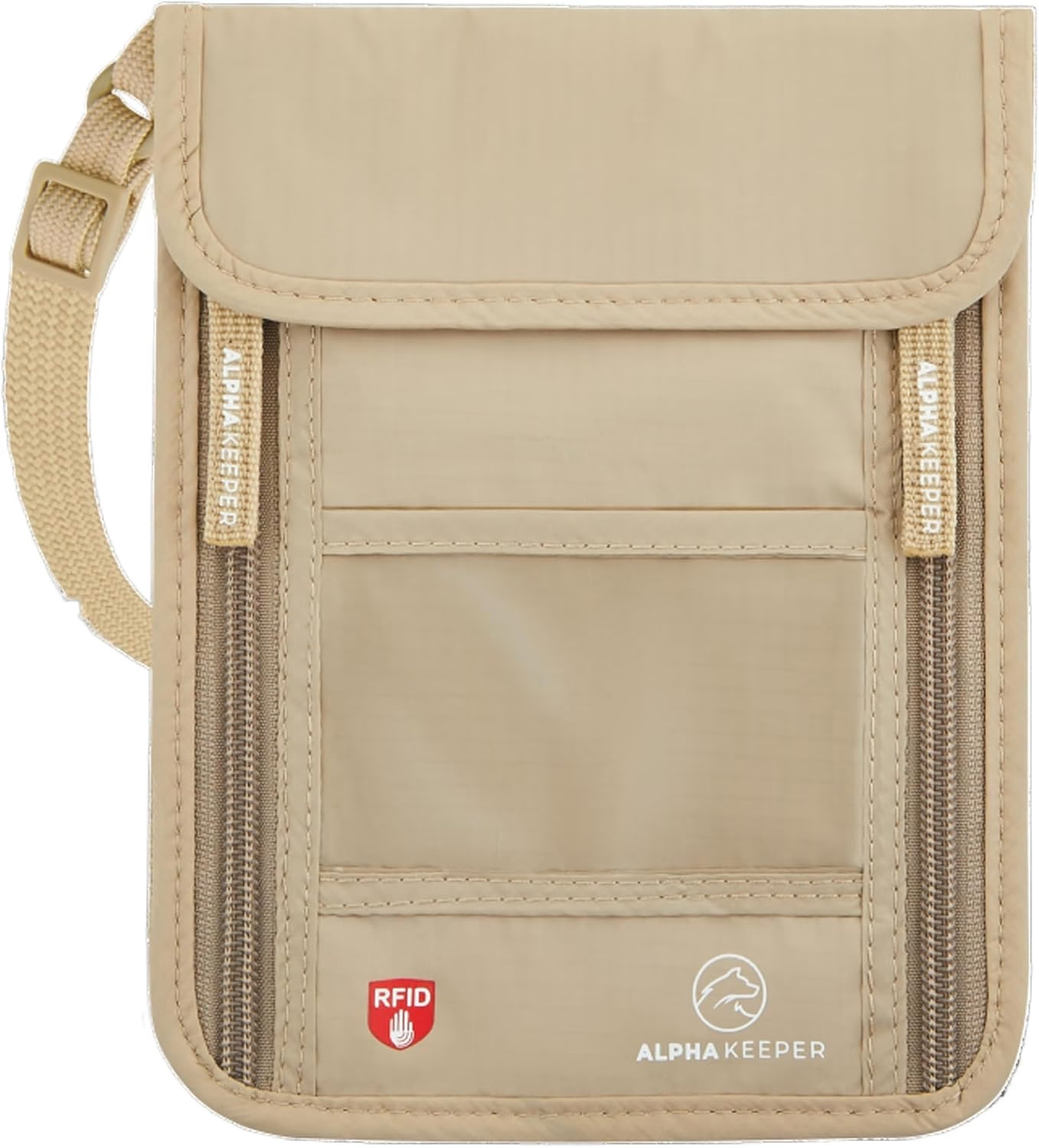
For the frequent flier who clears passport control weekly: the Beige RFID Neck Wallet is the standout — it includes two luggage tag holders alongside the passport pocket, so your bag tag, passport, and boarding pass are all in one grab. For backpackers on extended trips through higher-risk regions: the Azure RFID Money Belt sits completely invisible under pants and holds local currency, an emergency card, and a passport copy in weatherproof compartments. For city-hopping couples who want to split cards across matching gear: the Colorful RFID Sleeve Set comes in a multi-pack so each person protects their own cards without buying two separate wallets. And for anyone who just wants to upgrade their existing wallet with zero learning curve: the Retro RFID Sleeve Set gives you classic kraft-paper-look sleeves that are slim enough to slide into any existing cardholder — no behavior change required, just immediate RFID protection.
What to Look For: 5 Non-Negotiable Features in a Travel Wallet
First, confirmed RFID blocking at 13.56 MHz — not just 'RFID resistant,' which is a meaningless marketing hedge. Second, a zipper or secure closure rather than a snap or velcro flap, which can open under pressure in a crowd. Third, water resistance: sweat, rain, and spilled drinks are inevitable, and a soaked passport is a customs nightmare. Fourth, weight under 2.5 oz empty — anything heavier creates a visible bulge under clothing that defeats the concealment purpose. Fifth, enough compartments to separate currencies: mixing dollars, euros, and local cash in one pocket is how you hand over the wrong bill at every transaction and accidentally tip a street vendor $40.
Frequently Asked Questions
Do I really need an RFID-blocking travel wallet, or is it just marketing?
RFID skimming of contactless payment cards is a documented, real threat — security researchers have demonstrated live card data capture at up to 30 cm distance using commercially available hardware. Modern biometric passports also broadcast chip data without physical contact. An RFID-blocking wallet or sleeve costs under $25 and eliminates that attack vector entirely. It's not paranoia; it's cheap insurance with zero downside.
What's the difference between a neck wallet and a money belt for travel?
A neck wallet hangs from a cord under your shirt and is designed for quick access — ideal for passports at border crossings or airport security. A money belt wraps around your waist beneath clothing and is better for long days in high-pickpocket areas where you won't need to access contents often. Many experienced travelers carry both: a money belt for the bulk of their cash and passport, and a neck wallet for the day's spending cards.
Can I go through airport security with an RFID-blocking wallet?
Yes, without any issues. RFID-blocking materials — typically aluminum mesh or carbon fiber lining — do not trigger metal detectors or cause problems with X-ray scanners at airport security. The metal content is minimal and distributed as a fine mesh, not a solid sheet. You will still need to remove your wallet from your bag if instructed by security staff, same as any other item.
Ready to upgrade?
Ready to stop worrying about pickpockets and card skimmers on your next trip? The Beige RFID Neck Wallet is built for exactly this — passport-ready, luggage-tag-equipped, and completely hidden under your shirt from departure gate to destination.