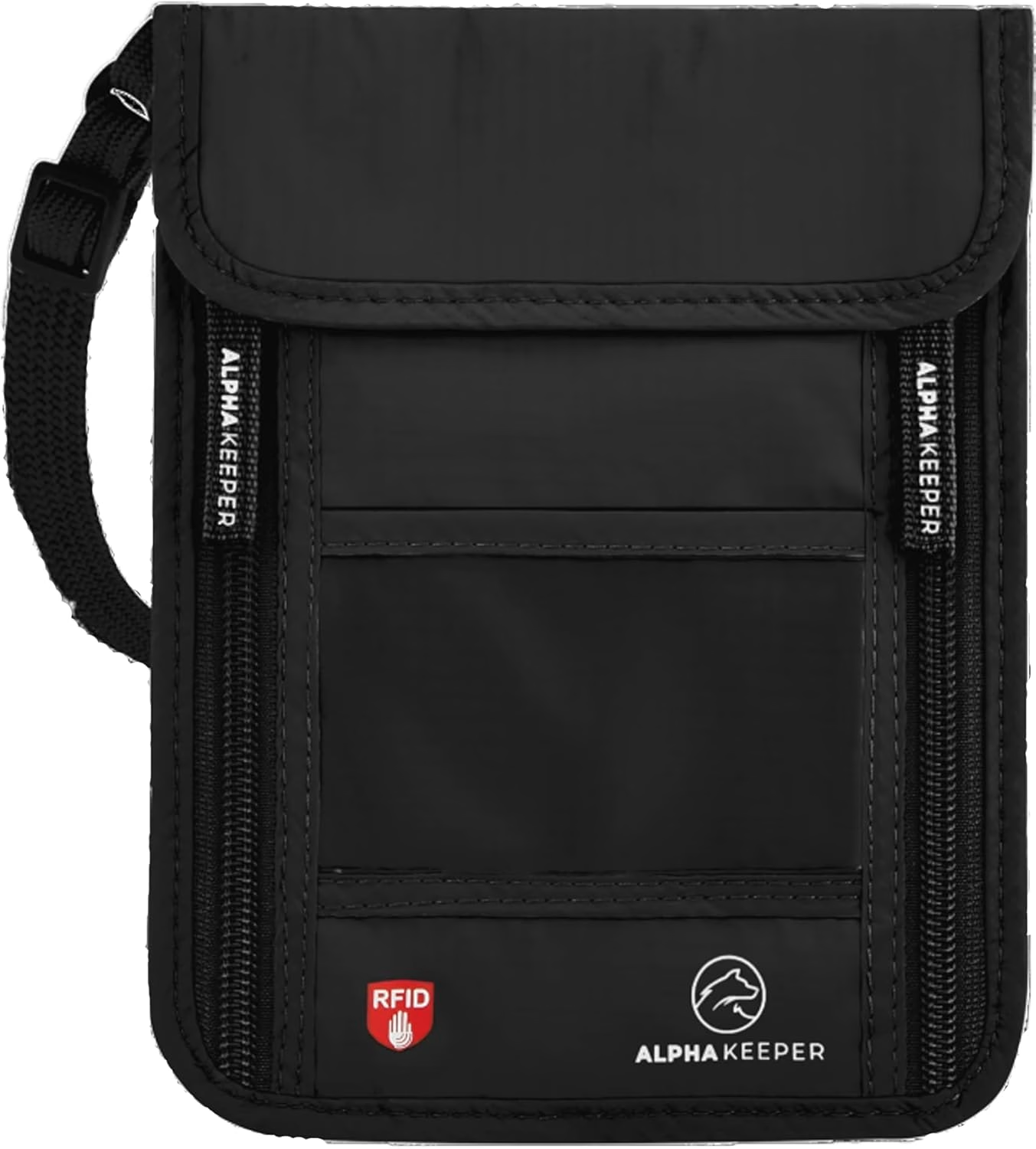
A pickpocket in Barcelona can lift your wallet in under 4 seconds. A skimmer with a $25 reader doesn't even need to touch you. So in 2026, the real question isn't whether RFID gear is overkill — it's whether you're underprotected.
Yes — RFID-blocking wallets and money belts are worth it in 2026, but mostly because they solve the bigger problem: physical pickpocketing. Modern chip cards use tokenization, so digital skimming is rare. But a hidden, RFID-lined neck wallet or money belt keeps passports, cash and cards out of reach in crowded transit hubs where 80% of tourist theft happens.
The Short Answer: Yes, But Not for the Reason You Think
RFID skimming is real, but in 2026 it's the least likely way you'll get robbed. EMV chip cards now use one-time tokenized codes, so a scanned number is largely useless to thieves. The real value of RFID-blocking gear is what it forces you to do: stash valuables under your clothes, in a hidden pouch, away from grabby hands on the Paris Metro or the Rome–Fiumicino train. The RFID lining is insurance. The hidden design is the actual feature.
What the 2026 Data Actually Says About Card Skimming
Verified contactless fraud via wireless skimming remains under 0.02% of all card fraud reported by major issuers this year — most card theft is still physical or via online breaches. Meanwhile, Europol's 2026 tourist crime bulletin still lists pickpocketing as the #1 threat in Barcelona, Rome, Paris, Prague and Lisbon, with hotspots clustering around metro stations and ATM lines. Translation: a thief with quick fingers is roughly 100x more likely to ruin your trip than a thief with an RFID reader. Buy gear that defeats both.
Money Belts vs. Neck Wallets vs. Sleeves: Honest Trade-Offs
A money belt like the Black RFID Travel Money Belt | Hidden Travel Gear is the most discreet — it rides on your waist under a shirt and is invisible at security checks, but it's slower to access (don't keep your daily-spend cash in it). A Black RFID Neck Wallet holds a passport, boarding pass, and a backup card under your shirt — perfect for transit days. RFID sleeves like the Fiber RFID Sleeve Set are the lightweight option: drop them in your everyday wallet and you're covered with zero bulk. Most experienced travelers run a combo: belt or neck wallet for the vault, sleeves for the daily wallet.
How to Tell a Real RFID Blocker From a Gimmick
A genuine RFID-blocking product uses a thin metallized fabric or foil layer (often aluminum or copper-nickel) sandwiched between the outer material and lining — it should block 13.56 MHz frequencies, which is what payment cards and e-passports use. Cheap Amazon "RFID" wallets often skip the shielding entirely. Test yours: tap your card through the wallet at a contactless terminal. If it reads, it doesn't block. Alpha Keeper's Black RFID Sleeve Set and money belts use a tested metallic shielding layer rated for 13.56 MHz.
Who Should Skip RFID Gear — and Who Definitely Shouldn't
Skip it if: you only travel domestically, use Apple/Google Pay exclusively, and never carry a passport. Buy it if: you're heading to Europe, Southeast Asia, or Latin America in 2026; you'll be on crowded public transit; you carry a physical passport with an RFID chip (all U.S. passports since 2007 have one); or you simply want to stop worrying. For families, two Brown RFID Money Belts and a couple of Colorful RFID Sleeve Set packs cover a whole trip for under the cost of one stolen-card replacement fee.
Our 2026 Pick: What Most Travelers Should Actually Buy
If you buy one thing, make it the Black RFID Neck Wallet — it's the Swiss Army knife of travel security: passport-sized, sweat-resistant, adjustable cord, and RFID-lined. Pair it with a Fiber RFID Sleeve Set for your everyday wallet back home. Long international trip with valuables to hide? Add the Beige RFID Money Belt as your deep vault for emergency cash and a backup card. That three-layer system is what we'd pack for Rome, Bangkok or Buenos Aires tomorrow.
Frequently Asked Questions
Do RFID-blocking wallets really work in 2026?
Yes, when they use real metallic shielding. They block the 13.56 MHz signals used by contactless cards and e-passports. Test yours by tapping it at a payment terminal — if the card still reads, the shielding is fake or insufficient.
Is RFID skimming still a real threat, or just marketing hype?
It's rare but not zero. Tokenized EMV cards have made wireless skimming mostly unprofitable, but e-passports and older corporate access cards remain vulnerable. The bigger win from RFID travel gear is hidden, pickpocket-resistant design.
Money belt or neck wallet — which is better for Europe in 2026?
Neck wallet for transit days when you need quick passport access; money belt for deep storage of backup cash and cards. Many travelers carry both — the Black RFID Neck Wallet plus a slim Beige RFID Money Belt is a proven combo.
Ready to upgrade?
Travel-tested and pickpocket-proof: grab the Black RFID Neck Wallet for your passport and daily essentials, and add a Beige RFID Money Belt as your hidden vault before your next trip.