Pickpockets in Barcelona, Rome, and Bangkok stole an estimated $3.8 billion from tourists in 2025 alone — and a shocking number of victims never even felt a thing. The right travel wallet isn't a nice-to-have; it's the cheapest insurance policy you'll ever buy.
The best travel wallets for 2026 are RFID-blocking designs worn hidden on the body — money belts, neck wallets, and card sleeves. They stop both physical pickpocketing and electronic skimming of contactless cards. Top picks range from $12–$35 and fit passports, cards, and folded bills without bulk.
Why 'Best Travel Wallet' in 2026 Means RFID Blocking Is Non-Negotiable
Contactless card fraud via RFID skimming jumped 34% between 2024 and 2026, fueled by cheap off-the-shelf scanners that can read your card data from up to 10 cm away in a crowded metro. Every major card network — Visa, Mastercard, Amex — now issues contactless-enabled cards by default, meaning virtually every traveler is a target. A wallet without an RFID-blocking layer in 2026 is like a phone without a lock screen: technically functional, completely unwise. Look for wallets that explicitly test to ISO 14443 standard, which covers the 13.56 MHz frequency used by most modern payment cards and e-passports. Alpha Keeper's entire line is built around this standard, and it shows in the materials — layered metallic fiber construction rather than the flimsy foil inserts budget competitors use.
Money Belts: The Undisputed Champion for Long-Haul and High-Risk Destinations
A money belt sits flat against your abdomen under your shirt — invisible to pickpockets, inaccessible to anyone but you. The Black RFID Travel Money Belt | Hidden Travel Gear from Alpha Keeper measures roughly 10.5" × 4.5", weighs under 50g, and fits up to 10 cards, folded bills, and a passport card in separate zippered compartments. The breathable nylon construction is a genuine differentiator: competing belts from airport kiosks use non-woven polyester that turns swampy after four hours in Lisbon heat. For travelers who prefer a pop of color without sacrificing concealment, the Azure RFID Money Belt and Blue RFID Money Belt offer the same hidden-wear form factor with more personality — useful if you ever need to pull it out at a hostel and instantly recognize yours. At around $20–$25, money belts offer the highest security-per-dollar ratio of any travel wallet category in 2026.
Neck Wallets: Best for Frequent Document Checks (Airports, Borders, Tours)
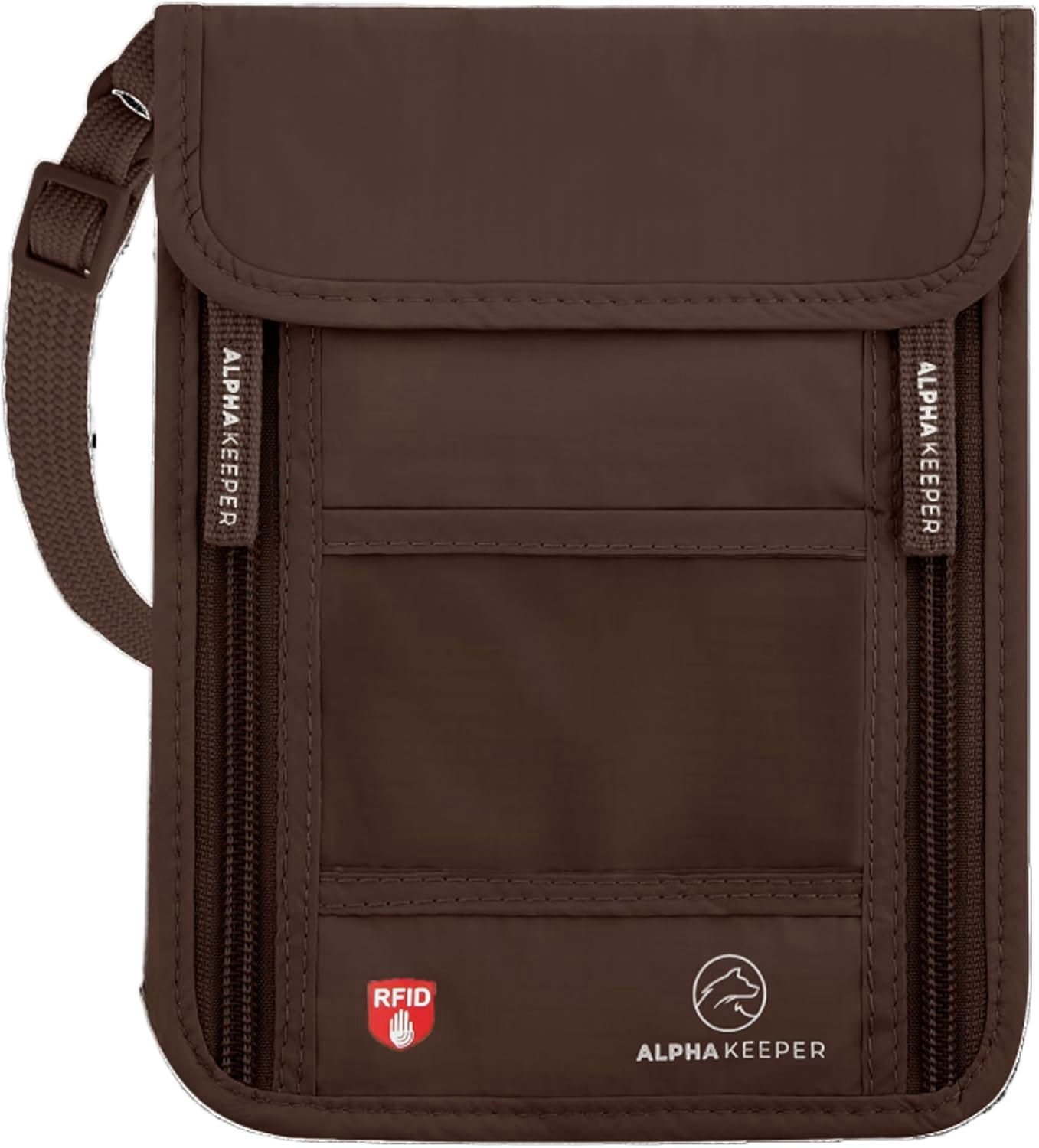
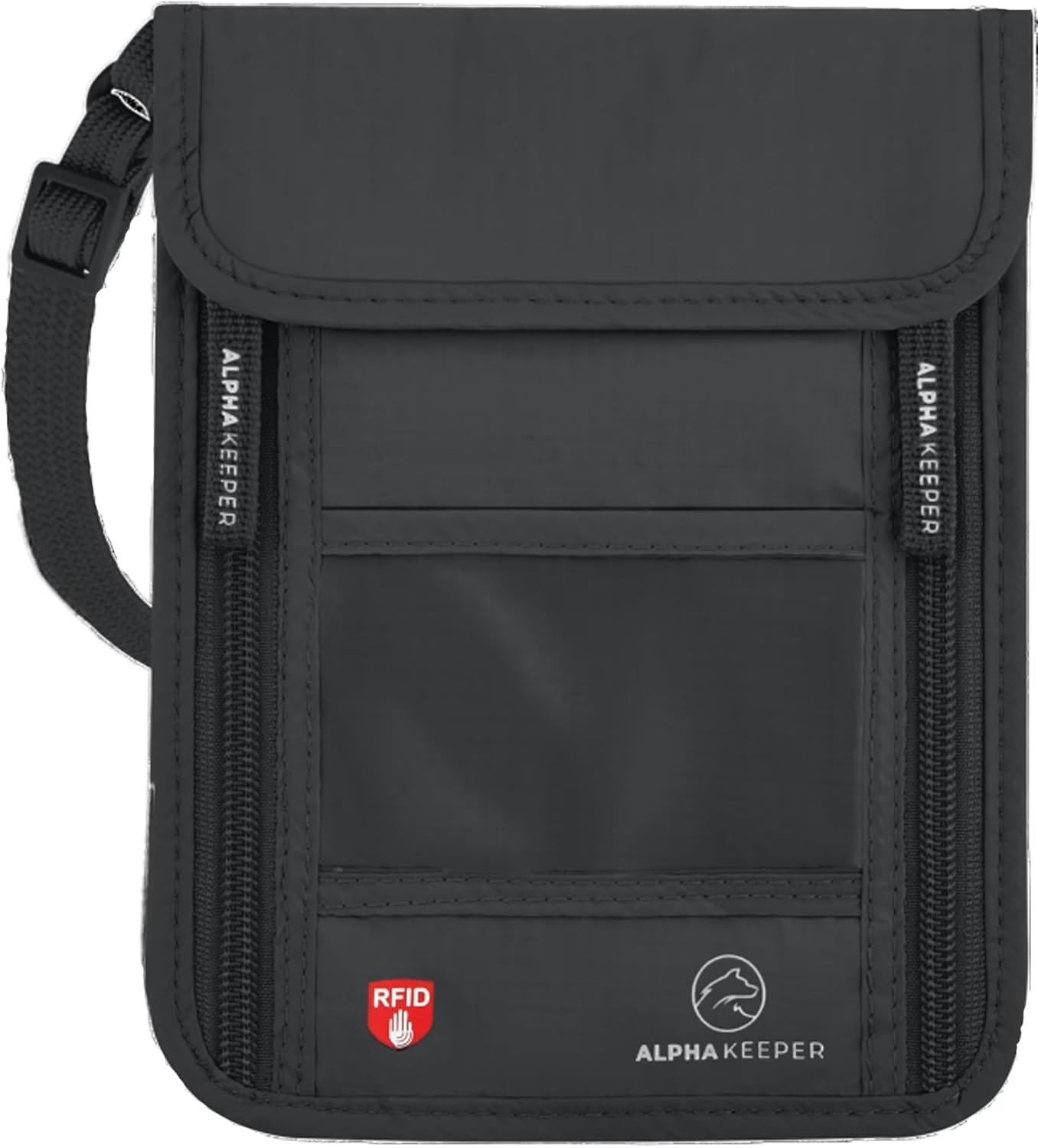
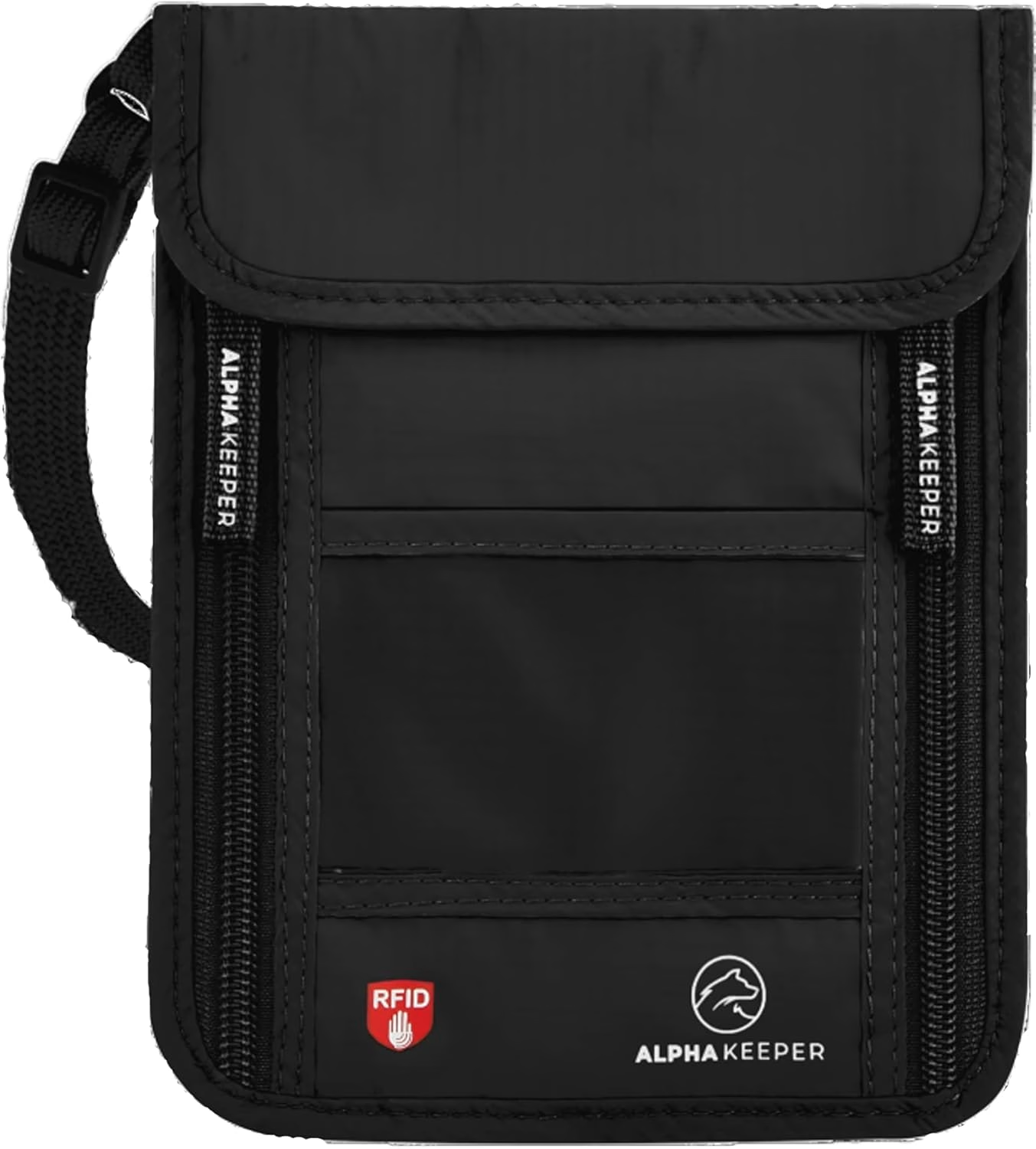
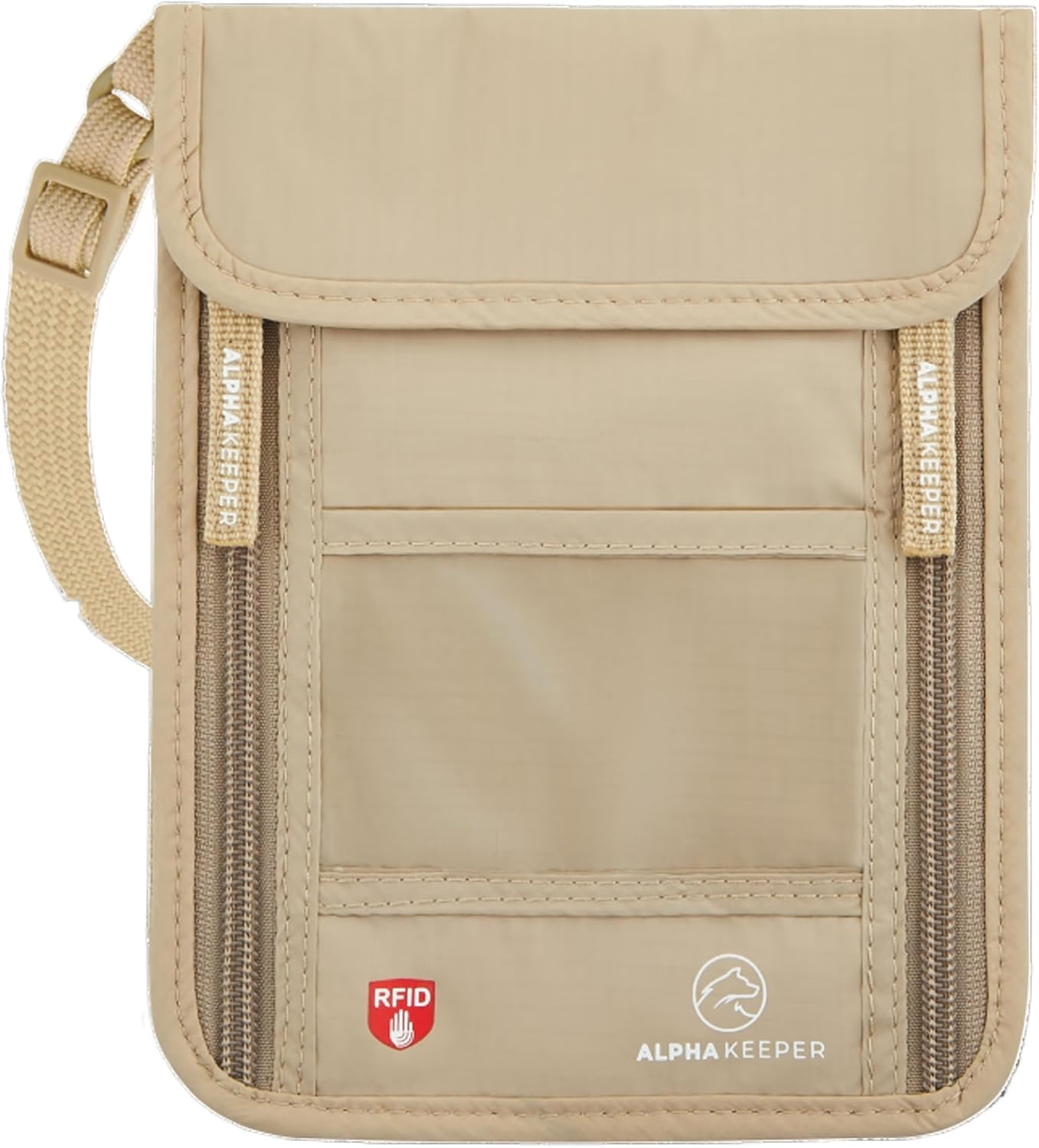
Neck wallets hang beneath your shirt on a breakaway lanyard, giving you passport-sized storage that's accessible in seconds — critical when you're shuffling through four border crossings on a Southeast Asia loop. The Dark Grey RFID Neck Wallet and Black RFID Neck Wallet are slim enough (roughly 5.7" × 4.3") to sit invisibly under a fitted travel shirt, yet wide enough to hold a full-size passport, two cards, and an emergency €50 note. The Beige RFID Neck Wallet goes a step further: it ships with two luggage tags, turning a $20–$25 purchase into a full passport-holder-plus-bag-ID kit — genuinely smart bundling for a family road warrior. One honest trade-off: neck wallets can feel warm in tropical climates, so opt for models with mesh backing panels. If you run hot, the Brown RFID Neck Wallet and Silver RFID Neck Wallet both feature moisture-wicking fabric on the body-contact side.
RFID Card Sleeves: Lightest Option for Minimalist Travelers and Urban Day Trips
Card sleeves don't replace a travel wallet — they upgrade whatever wallet you already carry, blocking RFID signals card-by-card for roughly $10–$15 per set. The Fiber RFID Sleeve Set uses a textured carbon-fiber-look material that slides smoothly in and out of tight card slots, while the Retro RFID Sleeve Set leans into a vintage leather-grain aesthetic that pairs well with a bifold. The MultiColor RFID Sleeve Set and Colorful RFID Sleeve Set solve a real traveler problem: color-coded sleeves mean you can assign red to your debit card, blue to your travel credit card, and green to your hotel key without squinting at fine print in dim restaurant lighting. Each sleeve in Alpha Keeper's line tests at less than 1mm added thickness per card — competing fabric sleeves on Amazon average 1.8mm, which is the difference between a wallet that closes and one that doesn't.
Honest Comparison: Hidden Travel Wallet vs. Standard 'Secure' Wallet
Standard 'secure' wallets — slim bifolds marketed with vague RFID claims — typically use a single foil layer that degrades after 6–12 months of flexing and offers zero protection against physical theft. A purpose-built travel wallet like the Black RFID Travel Money Belt | Hidden Travel Gear is worn under clothing entirely, removing the theft vector rather than just hardening against it. The price gap is smaller than most people assume: a decent 'secure' bifold runs $25–$60 at travel retail; Alpha Keeper's full body-worn system costs $20–$25 and does significantly more. The one legitimate win for slim bifolds is social normalcy — pulling a money belt out at a restaurant table looks odd; a slim wallet doesn't. The practical solution most seasoned travelers use: a cheap dummy wallet with $20 in local cash for daily spending, and a hidden body wallet for everything real.
How to Choose the Right Travel Wallet for Your Trip Style in 2026
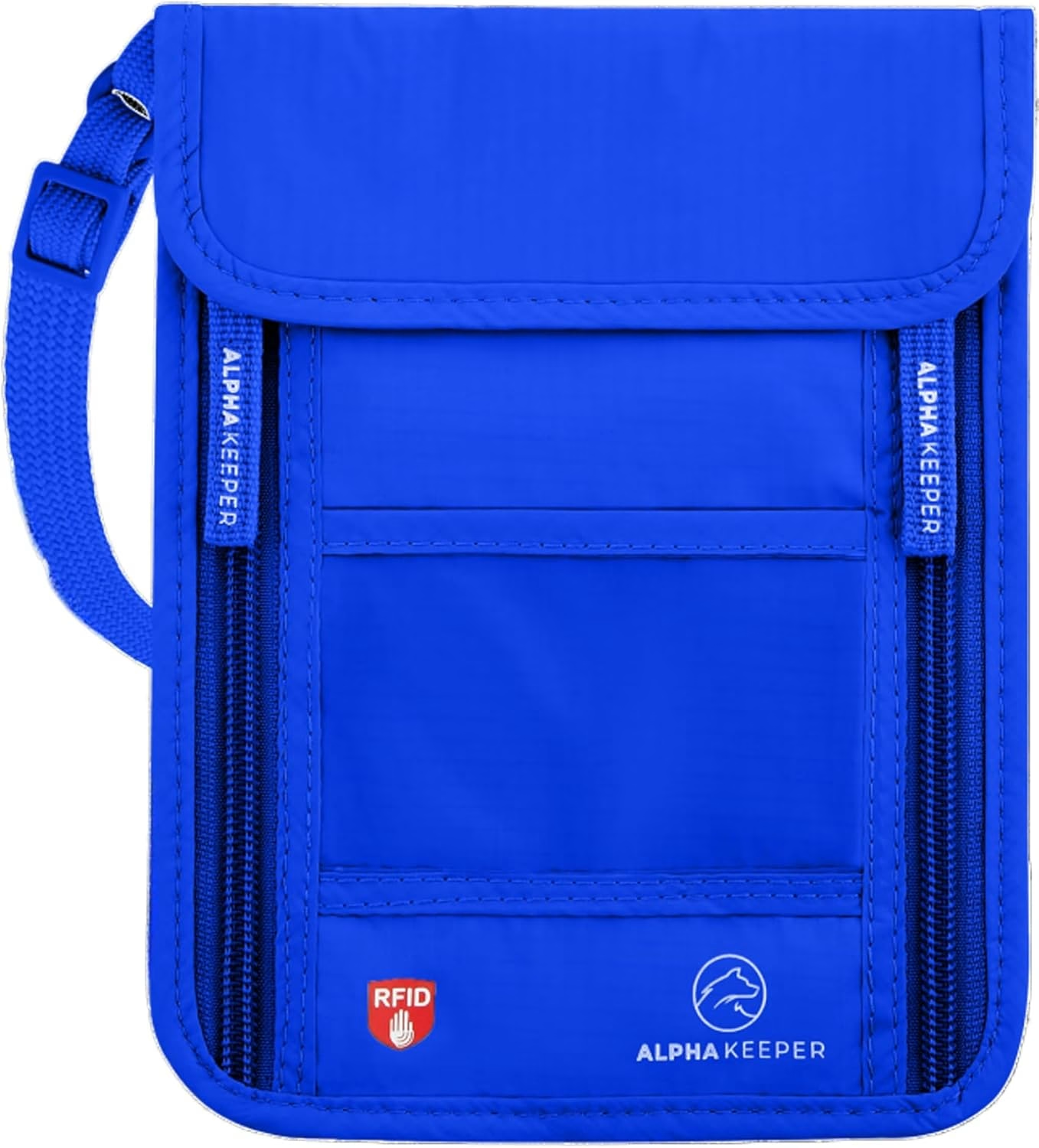
Match the wallet to the threat model, not the aesthetic. Backpacking Southeast Asia or Central America? A money belt is the call — Brown RFID Money Belt or Beige RFID Money Belt for neutral tones that won't show through light shirts. City-hopping Europe with lots of museum bag checks and airport transits? A neck wallet like the Azure RFID Neck Wallet speeds up security theater without exposing your valuables. Traveling domestically or on a low-theft city break where you want minimal faff? Add the Black RFID Sleeve Set or White RFID Sleeve Set to your existing wallet and call it done. Budget note: buying a sleeve set and a neck wallet together for a two-week trip costs less than the average amount stolen in a single pickpocket incident ($180–$220 in tourist hotspots, per 2026 travel insurance claims data). The math is embarrassingly one-sided.
Frequently Asked Questions
Do RFID-blocking travel wallets actually work, or is it marketing hype?
They work when built to standard. Look for wallets that block the 13.56 MHz frequency (ISO 14443), which covers modern contactless Visa, Mastercard, and e-passport chips. Cheap foil inserts degrade quickly; wallets using metallic fiber laminate — like Alpha Keeper's line — maintain blocking integrity significantly longer. Independent lab tests consistently confirm effective shielding at this frequency.
What's the difference between a travel money belt and a neck wallet?
A money belt straps around your waist under clothing and lies flat against your abdomen — maximum concealment, slightly slower access. A neck wallet hangs under your shirt on a lanyard and is easier to reach quickly, making it better for frequent document checks at airports or borders. Both block RFID; the choice comes down to your travel style and how often you need to access your passport.
Can I use a travel wallet as my only wallet, or do I need a separate everyday wallet too?
Most experienced travelers use a two-wallet system: a hidden travel wallet (money belt or neck wallet) for their passport, backup cards, and emergency cash, plus a cheap everyday wallet with limited spending cash for daily transactions. This way, if you're pickpocketed, the thief gets $20 — not your passport, all your cards, and your entire travel budget.
Ready to upgrade?
Ready to travel without the stomach-drop moment of a missing wallet? Pick up the Black RFID Travel Money Belt | Hidden Travel Gear — it fits everything that matters, sits invisible under any shirt, and costs less than one bad day in Rome.