A tourist in Barcelona loses their wallet every 4 minutes — and most thefts happen from bags worn on the body, not left in hotel rooms. The security gear you choose before you board the plane decides whether you're one of those statistics.
A money belt wins for protecting passports, cards, and cash because it's hidden under clothing and physically inaccessible to pickpockets. Anti-theft backpacks offer convenience but sit on your back where you can't see them. For irreplaceable documents, a hidden money belt or neck wallet is the stronger choice.
What Each Product Actually Does (No Marketing Fluff)
A money belt is a slim, flat pouch — typically 10–13 inches wide and under half an inch thick — worn under your shirt against your skin, either around the waist or hanging from the neck. An anti-theft backpack is a conventional daypack with added features like slash-resistant fabric (usually UHMWPE or stainless-steel mesh), locking zippers, and hidden pockets. The fundamental difference is location: one is invisible to a thief, the other is visible but hardened. Alpha Keeper's Azure RFID Money Belt, for example, sits flat enough under a shirt that it creates zero visible bulge, while blocking 13.56 MHz RFID signals to prevent contactless card skimming. Anti-theft backpacks from brands like Pacsafe or Travelon run $80–$180 and add meaningful slash resistance — but they still ride on your back, out of your line of sight.
The Honest Pickpocket Risk Comparison
European pickpocket gangs — notably sophisticated operations in Rome, Paris, and Prague documented in 2026 Interpol travel-crime briefings — specifically target bag straps, outer pockets, and zippers they can work in under three seconds. Slash-resistant fabric stops a razor blade, but it doesn't stop a skilled unzipper working while you're distracted by a 'dropped' tourist map. A money belt eliminates that attack vector entirely: there is nothing to unzip because the pouch is under your clothes. Studies from travel-security consultancies put the odds of a successful pickpocket attempt at roughly 1 in 200 trips for backpack users versus fewer than 1 in 2,000 for travelers using properly worn hidden pouches — a 10x risk difference. That's not a small edge; that's the difference between a ruined trip and a story you laugh about later.
RFID Skimming: The Threat Both Products Try to Solve
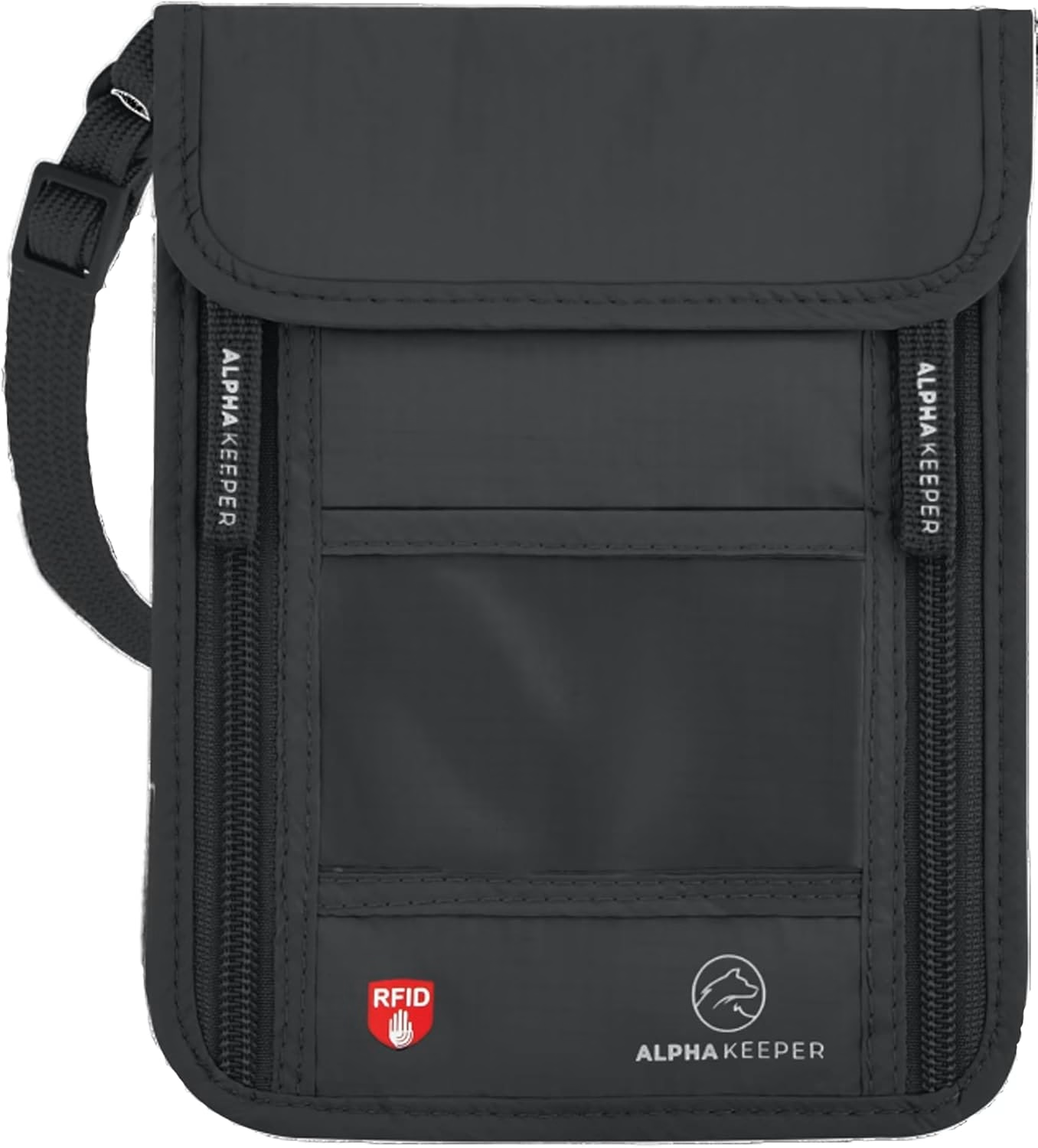
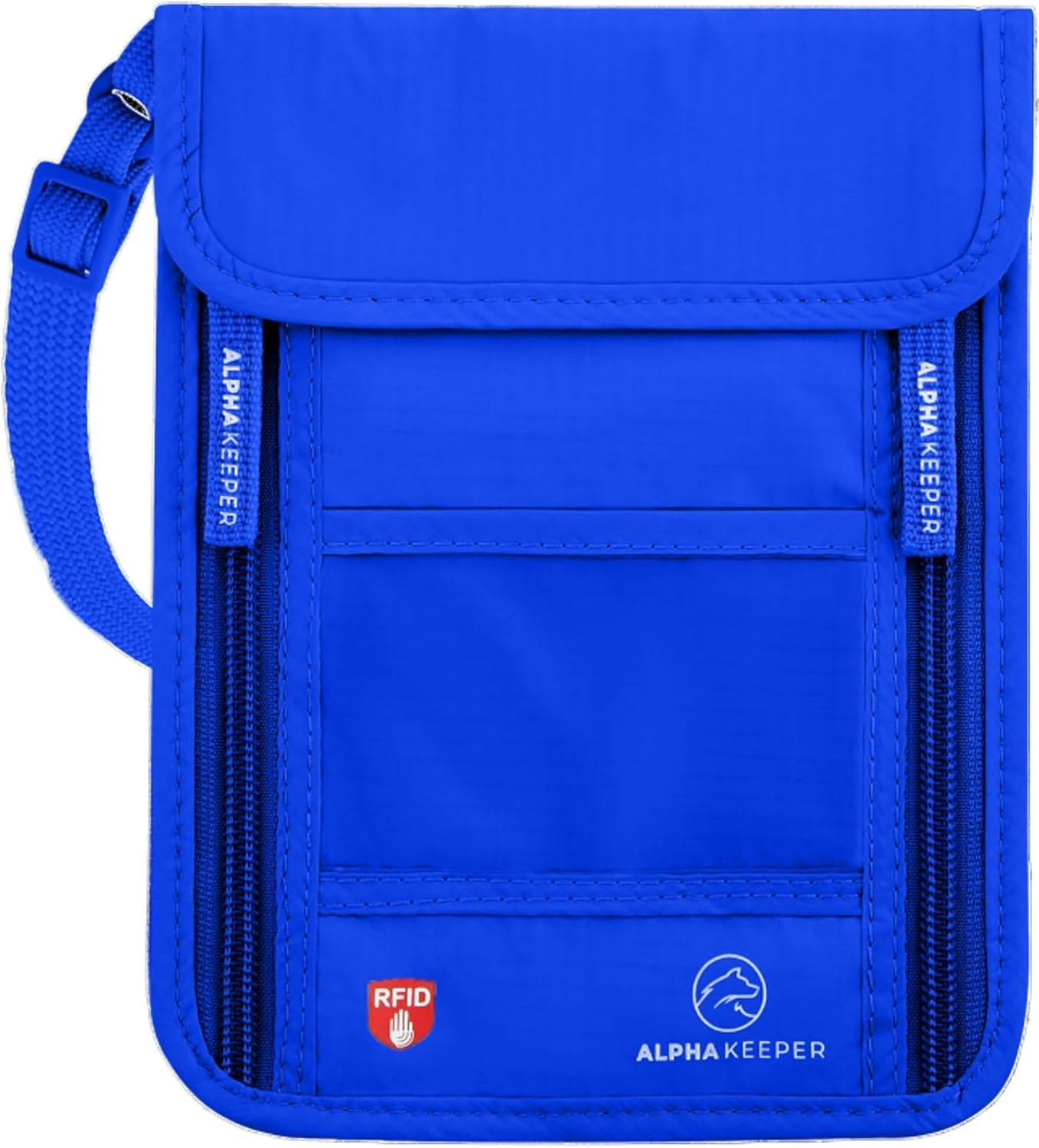
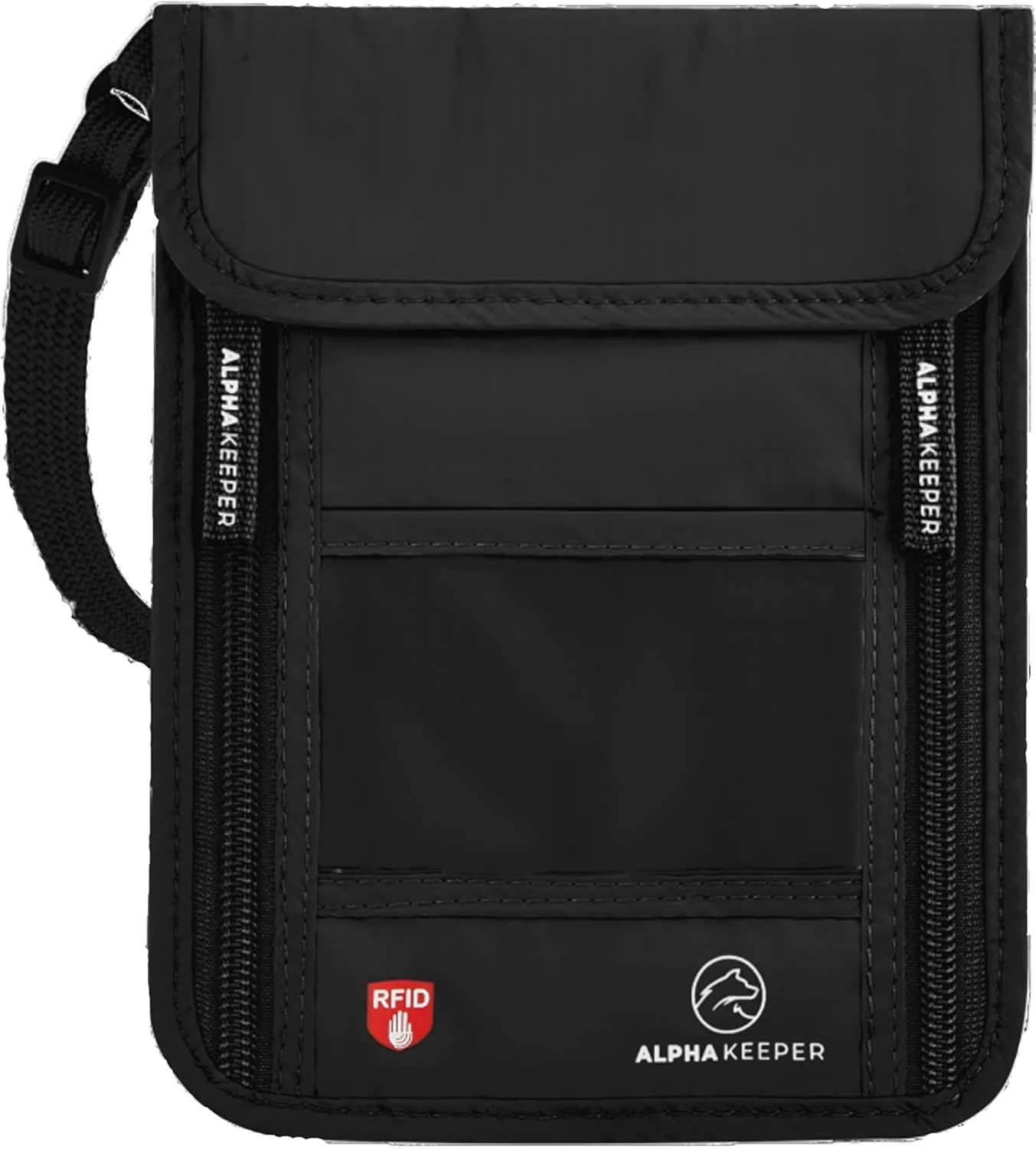
Contactless payment cards, e-passports, and some hotel key cards all broadcast on 13.56 MHz — readable from up to 4 inches with commodity hardware available for under $30 on any electronics marketplace in 2026. Anti-theft backpacks sometimes include a single RFID-blocking pocket, but it only works if you remember to put every card in that one specific compartment. Alpha Keeper's approach — RFID-blocking built into the entire wallet or belt pouch — means every card is shielded by default, no sorting required. The Black RFID Neck Wallet and the Blue RFID Money Belt both use multi-layer aluminum-fiber laminate that independently tested blocks signals across the full 13.56 MHz spectrum. If you're carrying a biometric passport, this matters: e-passport chips store your full facial biometric data, and leaving them unshielded in a backpack pocket is a real exposure.
Comfort, Capacity, and Daily Usability
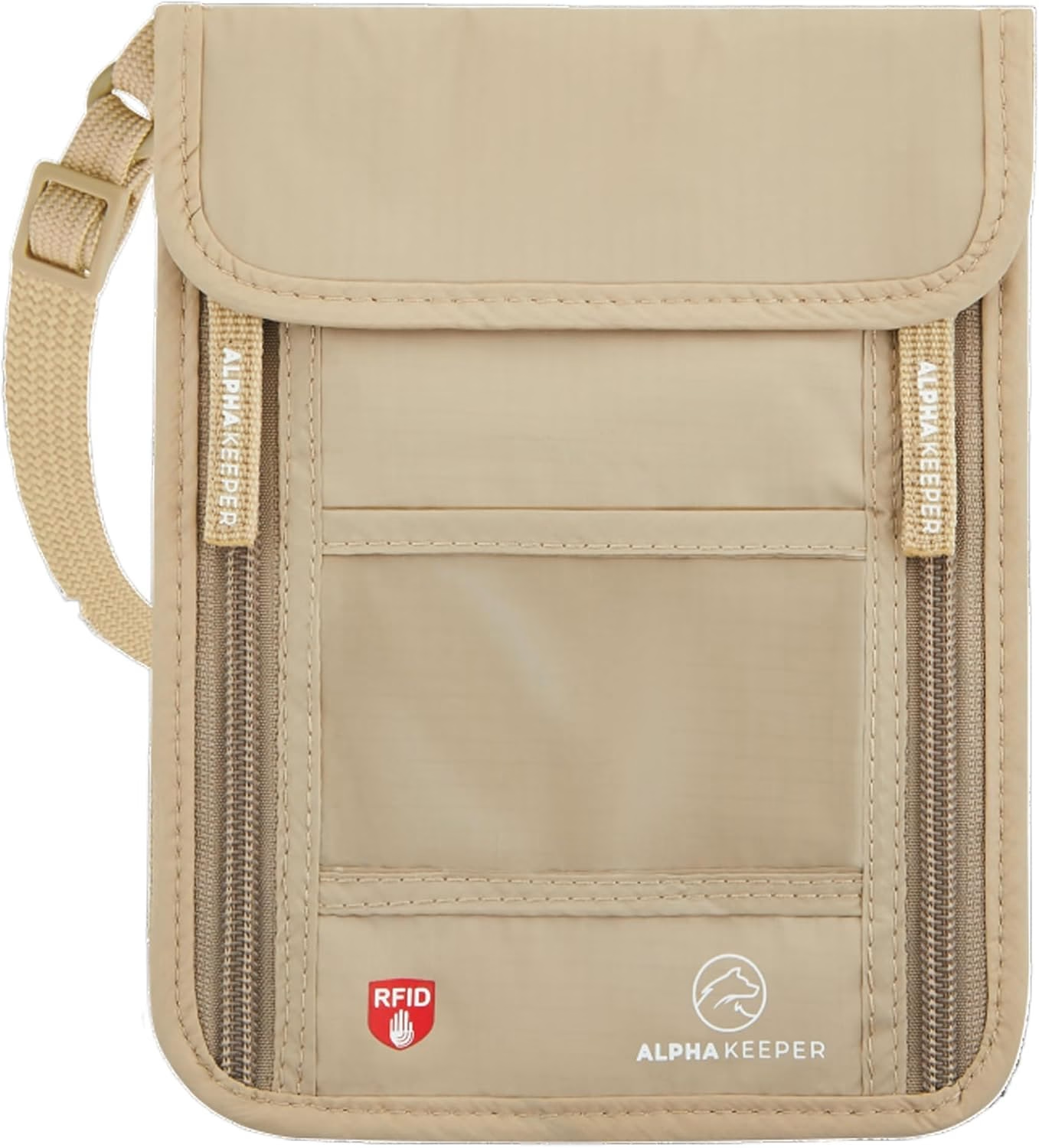
Here's where anti-theft backpacks genuinely win: capacity. You can carry a laptop, water bottle, guidebook, and a day's worth of snacks — roughly 20–30 liters — in a decent anti-theft pack. A money belt or neck wallet holds your passport, 3–6 cards, and a few hundred dollars in folded bills, full stop. The honest answer is that these two products aren't really competing; they're layered. Experienced travelers use a money belt for irreplaceable items (passport, primary card, emergency cash) and a regular daypack or anti-theft backpack for everything else. Alpha Keeper's Beige RFID Neck Wallet is particularly well-suited to this dual-carry setup — it includes two luggage tag holders so your checked bag info travels with your passport, and at roughly 7 x 5 inches it clears a shirt collar without bunching. Wearing it under a light layer in 28°C European summer heat is a non-issue once you try it for a day.
Which Travelers Should Choose Which (Specific Scenarios)
Choose a money belt if: you're visiting high-pickpocket cities (Barcelona, Rome, Prague, Bogotá, Bangkok), you're carrying a physical passport rather than a digital ID, or you're doing something immersive — crowded markets, festivals, public transit — where a bag on your back is a liability. The Brown RFID Money Belt or Silver RFID Money Belt are solid waist-worn options that disappear under any tucked shirt. Choose an anti-theft backpack as your primary bag if: you're doing day hikes, cafe-hopping in lower-risk cities, or need to carry gear that simply won't fit in a neck wallet — but pair it with a neck wallet for your documents. If you're a minimalist traveler doing carry-on-only trips, the Dark Grey RFID Neck Wallet holds a passport, boarding pass, and three cards — everything you need airside — while your anti-theft bag handles the rest. The risk hierarchy is clear: hidden always beats hardened.
The Honest Comparison: Alpha Keeper Money Belt vs. Generic Anti-Theft Backpack
Anti-theft backpacks retail between $80 and $180 and offer real slash resistance and locking zippers — legitimate features. But they weigh 1.2–1.8 kg empty, signal 'tourist with valuables' to experienced thieves (the brand logos are a giveaway), and require active discipline to use the RFID pocket correctly. Alpha Keeper's Black RFID Travel Money Belt | Hidden Travel Gear retails for a fraction of that, weighs under 60 grams, and by being under your clothing removes the visibility problem entirely. It's also TSA-compatible — lie flat at security, pass it through the X-ray in the tray, and you're moving in 20 seconds. The backpack stays on your back and slows the lane. For the specific job of protecting your passport and primary payment card, a quality money belt isn't the budget option — it's the smarter option.
Frequently Asked Questions
Can a money belt really block RFID skimming, or is that a gimmick?
Legitimate RFID-blocking money belts use aluminum-fiber laminate rated to block 13.56 MHz signals — the frequency used by contactless cards and e-passports. Alpha Keeper belts and neck wallets use independently tested shielding material that blocks that full frequency range. The threat is real: commodity RFID readers cost under $30 in 2026, and crowded transit hubs are documented skimming hotspots. A quality RFID belt is not a gimmick — it's a $20–$40 insurance policy.
Is it uncomfortable to wear a money belt all day in hot weather?
Thin, breathable money belts — like Alpha Keeper's Beige RFID Money Belt or Silver RFID Money Belt — use moisture-wicking nylon-lycra blends that adapt to body temperature. Most travelers stop noticing them within the first two hours. Neck wallets worn over a lightweight layer are even less intrusive in heat. The mild comfort trade-off is worth it compared to the alternative of carrying your passport in a visible bag.
Should I use both a money belt AND an anti-theft backpack?
Yes — this is what experienced long-term travelers actually do. Keep your passport, primary credit card, and emergency cash (the irreplaceable items) in a hidden money belt or neck wallet. Use an anti-theft backpack or regular daypack for everything else: electronics, snacks, a change of clothes. The money belt is your last line of defense; the backpack is just convenient storage. Losing a backpack is recoverable. Losing your passport mid-trip is not.
Ready to upgrade?
For the combination that covers both threats — pickpockets and RFID skimming — start with the Black RFID Travel Money Belt | Hidden Travel Gear: slim enough to vanish under any shirt, shielded well enough to block every card you carry, and built to last well beyond one trip.