A Barcelona pickpocket can lift your wallet in under 7 seconds — and in 2026, an RFID skimmer doesn't even need to touch you. The best travel wallet isn't the one that looks coolest at the airport bar; it's the one a thief literally cannot find.
The best wallet for travel in 2026 is a layered system: a slim RFID card sleeve for daily spending, plus a hidden RFID neck wallet or money belt for passports, backup cards and emergency cash. This keeps small amounts accessible while your real valuables stay invisible under your clothes.
What actually makes a wallet 'best' for travel
Forget Instagram aesthetics. A great travel wallet does four boring things brilliantly: it hides, it blocks RFID at 13.56 MHz (the frequency on your passport and contactless cards), it survives sweat and rain, and it carries only what you need that day. The biggest mistake travelers make in 2026 is using one fat wallet for everything — lose it once and your trip is over. Split your valuables across two layers and a thief gets, at most, your coffee money.
The hidden neck wallet: the smartest single upgrade you can make
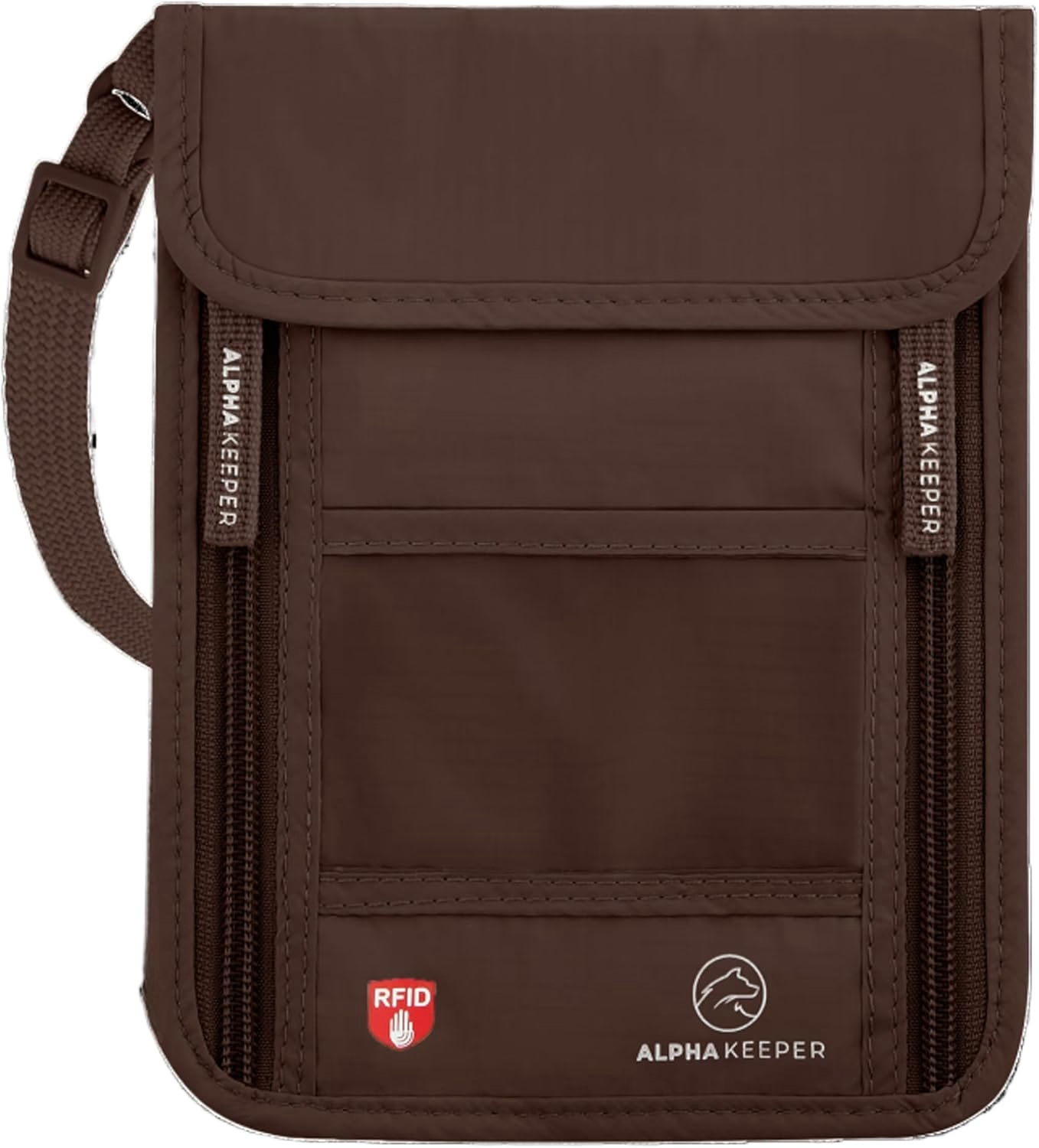
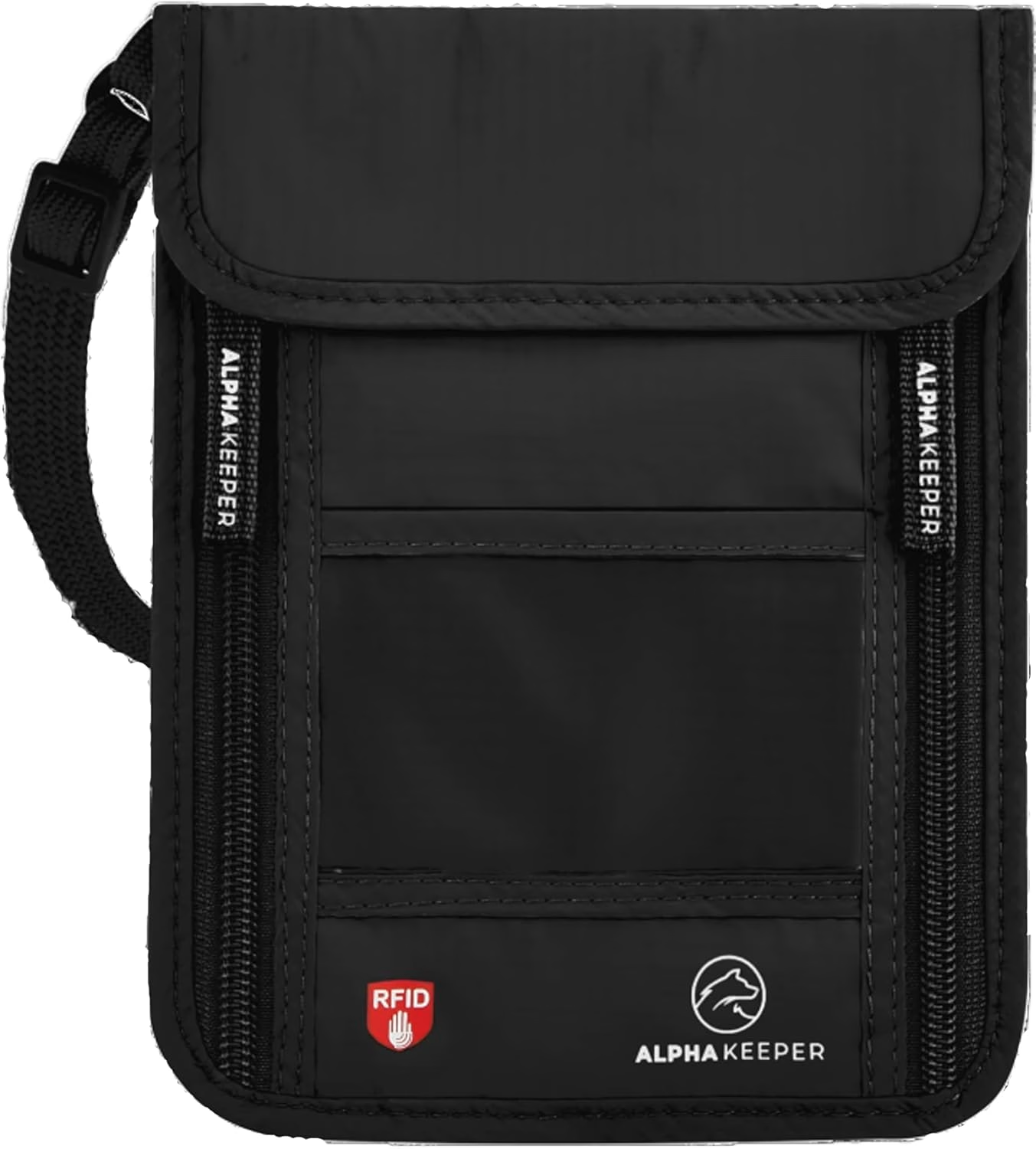
If you buy one thing before your next trip, make it a neck wallet. It rides under your shirt on a soft cord, holds your passport, two cards, vaccine docs and roughly $300 in folded bills, and weighs less than a granola bar. The Black RFID Neck Wallet is the workhorse — matte fabric, RFID-blocking liner, three internal pockets, and a moisture-wicking back panel that doesn't turn into a swamp in Bangkok. Prefer something less stealth-ops? The Azure RFID Neck Wallet and Brown RFID Neck Wallet read more 'organized traveler' than 'spy.'
The money belt: for long-haul, high-risk routes
A money belt isn't a fanny pack — it's a flat zip pouch (roughly 30 x 12 cm) that hides under your waistband. This is the wallet you want on overnight trains through Eastern Europe, packed buses in Lima, or any sleep-on-it long haul. The Black RFID Travel Money Belt | Hidden Travel Gear sits flush against your hip, holds a passport flat (no folding), and the RFID lining stops drive-by card scanners cold. If you want something that disappears under lighter summer clothes, the Beige RFID Money Belt blends with skin tone better than black.
RFID sleeves: the daily-driver layer everyone forgets
Here's the trick most travel guides miss: your hidden wallet shouldn't come out in public. Ever. That's what RFID sleeves are for. Slide your daily card and a metro pass into a Black RFID Sleeve Set or the Fiber RFID Sleeve Set, drop them in a front pocket, and that's your 'public' wallet. Lose it and you've lost one card. The MultiColor RFID Sleeve Set is genuinely useful if you're juggling multiple currencies — color-code by country and stop fumbling at the gelato counter.
Honest comparison: neck wallet vs. money belt vs. regular slim wallet
A regular slim leather wallet is fine for a weekend in Copenhagen. It is a terrible idea in Rome, Rio or Ho Chi Minh City. A money belt wins for sleeping in transit and carrying a passport flat. A neck wallet wins for daily access — you can pull it out in a bathroom stall to grab cash without doing the awkward 'unbuckling pants in a café' move. Most experienced travelers in 2026 carry both: belt for storage, neck wallet for the day, sleeves for the cards in their pocket.
What to skip in 2026
Skip 'smart' Bluetooth tracker wallets — they advertise your location to anyone with the right app, and battery anxiety is the last thing you need in Marrakech. Skip oversized travel organizers with 14 card slots; you don't need 14 cards abroad, you need 3. And skip anything labeled 'RFID' without a stated blocking frequency — real protection covers 13.56 MHz, the band your passport and contactless cards actually use.
Frequently Asked Questions
Do I really need an RFID-blocking wallet in 2026?
Yes — contactless payment limits keep climbing (€50+ in most of the EU, often higher in Asia) and skimmer hardware is cheap and pocket-sized. Any wallet holding your passport or tap-to-pay cards should block 13.56 MHz signals.
Neck wallet or money belt — which should I buy first?
Buy a neck wallet first. It's more versatile, easier to access during the day, and works for short and long trips. Add a money belt later if you're doing overnight trains, long bus rides, or backpacking through higher-risk regions.
How much cash should I keep in my hidden travel wallet?
Roughly $200–$400 USD equivalent, split between two currencies if possible, plus one backup card. Keep daily spending money (about one day's budget) in a separate slim sleeve in your front pocket.
Ready to upgrade?
Going somewhere serious this year? Start with the Black RFID Neck Wallet for daily carry and add the Black RFID Travel Money Belt | Hidden Travel Gear for long-haul days — together they cost less than one stolen phone and protect everything that actually matters.