Pickpockets lifted an estimated 400,000 wallets from tourists across Europe last summer alone — and the victims almost all had one thing in common: a bulging back-pocket wallet visible from ten paces. The right travel wallet doesn't just hold your stuff. It makes you invisible.
The best travel wallet for international travel in 2026 is a slim, RFID-blocking design worn under clothing. For most travelers, a neck wallet like the Black RFID Neck Wallet wins for passport-carrying flights and city days, while an RFID money belt is better for long-haul backpacking. Avoid bifolds in back pockets.
What Makes a Travel Wallet Actually Worth Buying in 2026
A real travel wallet does three things a regular wallet can't: it hides under clothing, blocks the 13.56 MHz RFID signals that contactless skimmers exploit, and holds a passport flat without bending it. Look for ripstop nylon (not leather — it gets musty fast in humid climates), YKK zippers, a breathable mesh back panel, and an adjustable strap under 1 inch wide so it disappears under a t-shirt. Expect to pay $15–$30. Anything cheaper usually skips the RFID-blocking lining; anything pricier is paying for branding.
Best Overall: A Neck Wallet for Most International Trips
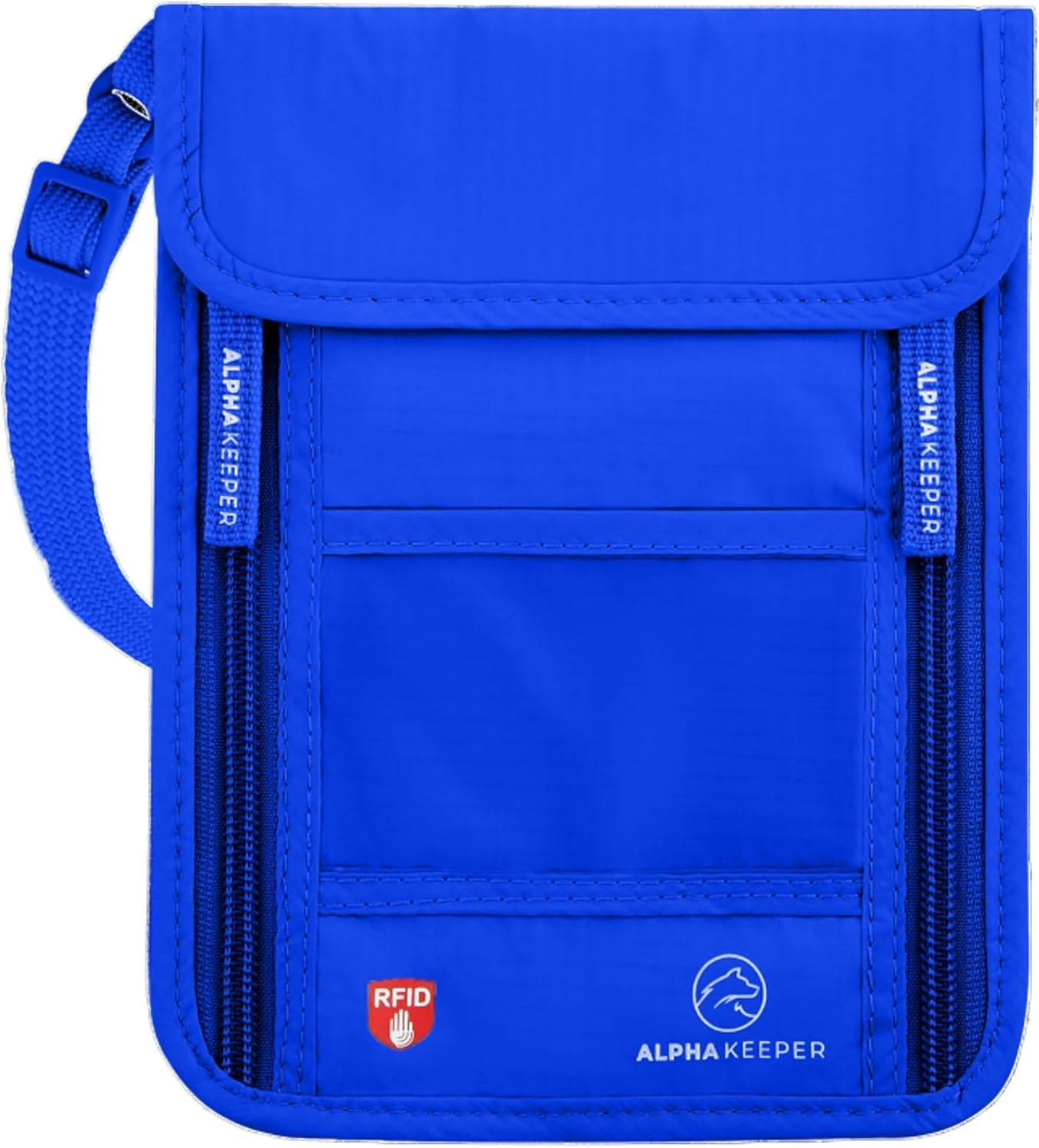
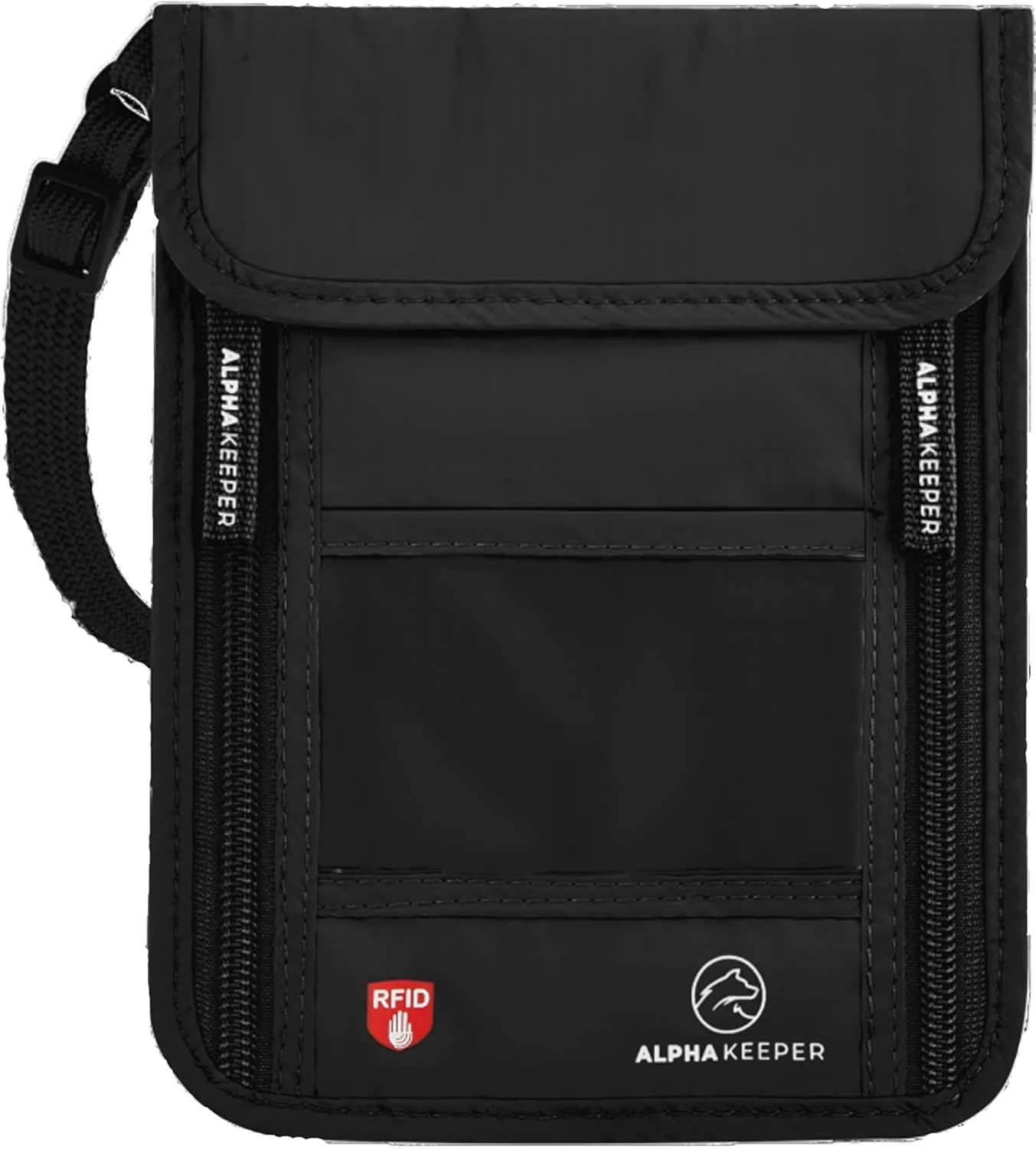
If you're flying internationally, doing city walking tours, or moving through crowded transit hubs, a neck wallet is the move. The Black RFID Neck Wallet sits flat against your chest under a shirt, holds a passport, four cards, cash in two currencies, and a boarding pass — roughly 7.5 x 5.5 inches. The adjustable cord lets you sling it crossbody on travel days and tuck it under a layer for sightseeing. For travelers who want a bit of color so it doesn't read 'tactical,' the Azure RFID Neck Wallet and Blue RFID Neck Wallet are the same build in friendlier shades.
Best for Backpackers and Long-Haul Travel: An RFID Money Belt
If you're train-hopping through Southeast Asia or doing three weeks in South America, a money belt beats a neck wallet because it's invisible even when you're shirtless on a hostel bunk. The Black RFID Travel Money Belt | Hidden Travel Gear wraps around your waist under your pants, holds a passport folded once, and weighs under 2 ounces. The Beige RFID Money Belt is a smarter pick for hot climates — it doesn't show through light linen. Trade-off: it's slower to access than a neck wallet, so use it for backup cash and your passport, not your daily-spend card.
Honest Comparison: Neck Wallet vs. Money Belt vs. Regular Bifold
A standard leather bifold in your back pocket is the single most stolen item in Barcelona, Rome, and Paris — full stop. A neck wallet costs about the same but adds RFID blocking and hides under clothing. A money belt goes one step further: it's physically inaccessible to a pickpocket because reaching it would require unbuckling your pants. The honest downside of both: you look slightly weird fishing them out at a café. The fix is simple — keep €40 and one card in a front pocket for daily spending, and the rest hidden.
Don't Forget the Cards You Leave Behind
Even at home or in your hotel safe, your credit cards leak data. A cheap RFID skimmer pulled within 4 inches of your wallet can clone a contactless card in under a second. The Fiber RFID Sleeve Set or Black RFID Sleeve Set ($8–$12) slips over each card individually, so even if a thief gets the wallet, the chips are jammed. We recommend these as an add-on to any neck wallet or money belt — they're the cheapest insurance in travel gear.
Our 2026 Picks at a Glance
For most international travelers in 2026: the Black RFID Neck Wallet is the do-everything winner. For long-haul backpackers and anyone visiting high-theft cities like Rome, Buenos Aires, or Ho Chi Minh City: the Black RFID Travel Money Belt | Hidden Travel Gear. For travelers who already have a daily wallet they love: just add the Fiber RFID Sleeve Set to block skimmers. All three under $30, all three TSA-friendly, all three actually used by the team writing this.
Frequently Asked Questions
Do I really need an RFID-blocking wallet in 2026?
Yes — contactless cards, hotel keycards, and many passports now broadcast data on the 13.56 MHz frequency. Skimmers cost under $30 online and work through a backpack. RFID-blocking fabric is now standard in every serious travel wallet and adds essentially zero weight.
Neck wallet or money belt — which should I pick for Europe?
For 1–2 week city trips through Europe, go neck wallet — it's faster to access at hotel check-ins and train stations. For 3+ week trips, mixed transit, or visits to known pickpocket hotspots like Rome's Termini or Barcelona's Las Ramblas, choose a money belt for your passport and backup cash.
Can I wear a neck wallet through airport security?
Yes. TSA and most international airports allow neck wallets through metal detectors and body scanners, though you may be asked to remove it for the X-ray bin. The fabric and snaps on the Black RFID Neck Wallet are metal-free except for a tiny zipper pull, which rarely triggers anything.
Ready to upgrade?
Headed abroad in the next 90 days? Grab the Black RFID Neck Wallet for your passport and daily cards, and toss in a Fiber RFID Sleeve Set for the cards you leave in the hotel safe. Two purchases, full coverage, under $35.